|
Subscribe / Renew |
 |
Contact Us |
| ► Subscribe to our Free Weekly Newsletter | |

Construction Bids
| home | Welcome, sign in or click here to subscribe. | login |


 print print  email to a friend email to a friend  reprints add to mydjc reprints add to mydjc |  |
October 22, 2025
Known for its environmentally sustainable and contextual designs, Miller Hull has recently completed its third project for the U.S. Department of State Bureau of Overseas Buildings Operations (OBO). Following the U.S. Embassy it designed in Niamey, Niger, and the U.S. Embassy it designed in Guatemala City, Miller Hull recently completed the new U.S. Consulate General Guadalajara, Mexico.
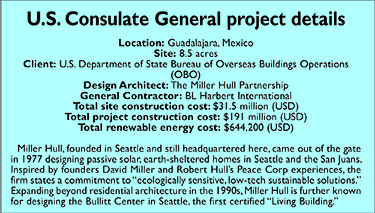
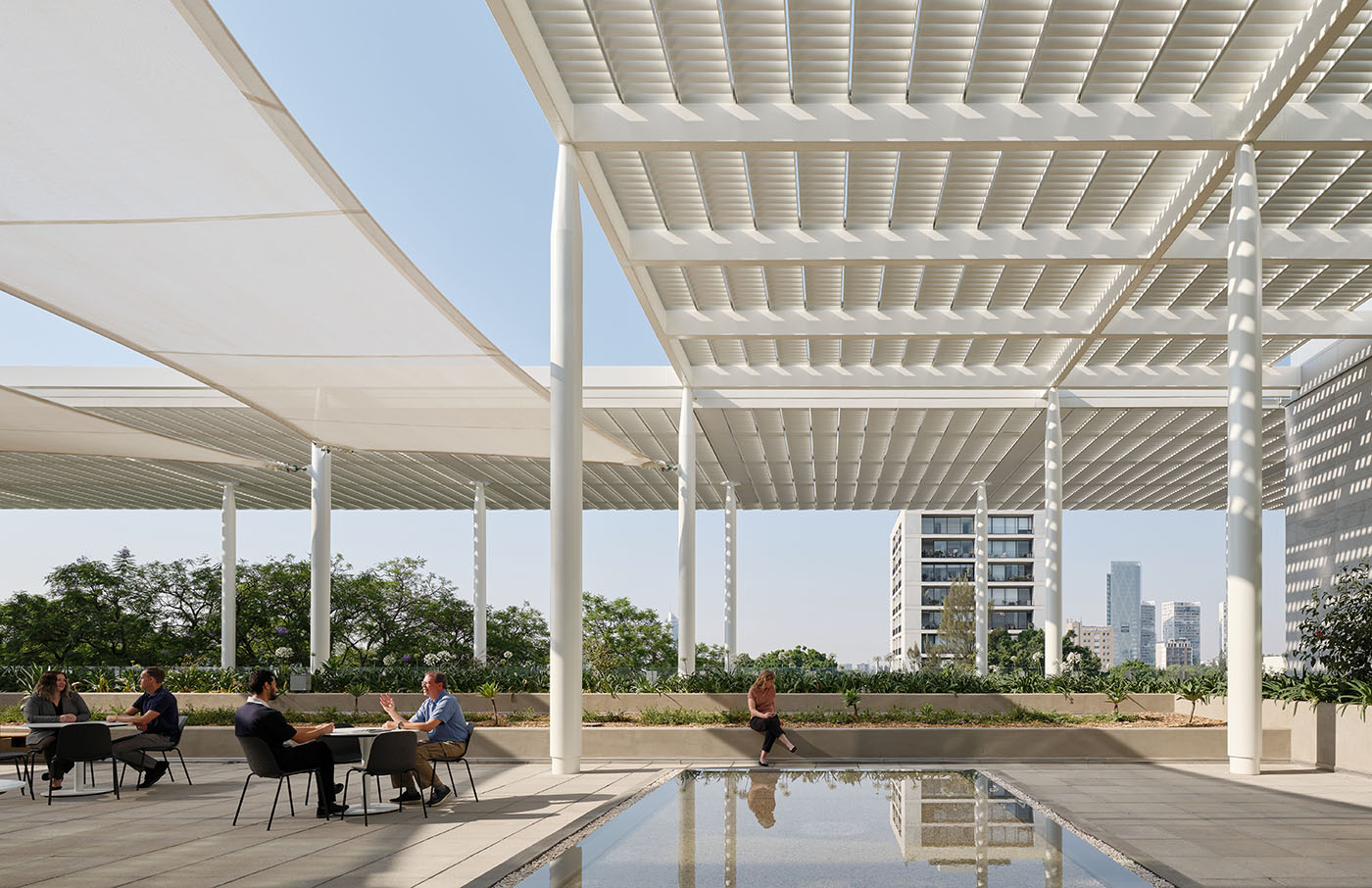
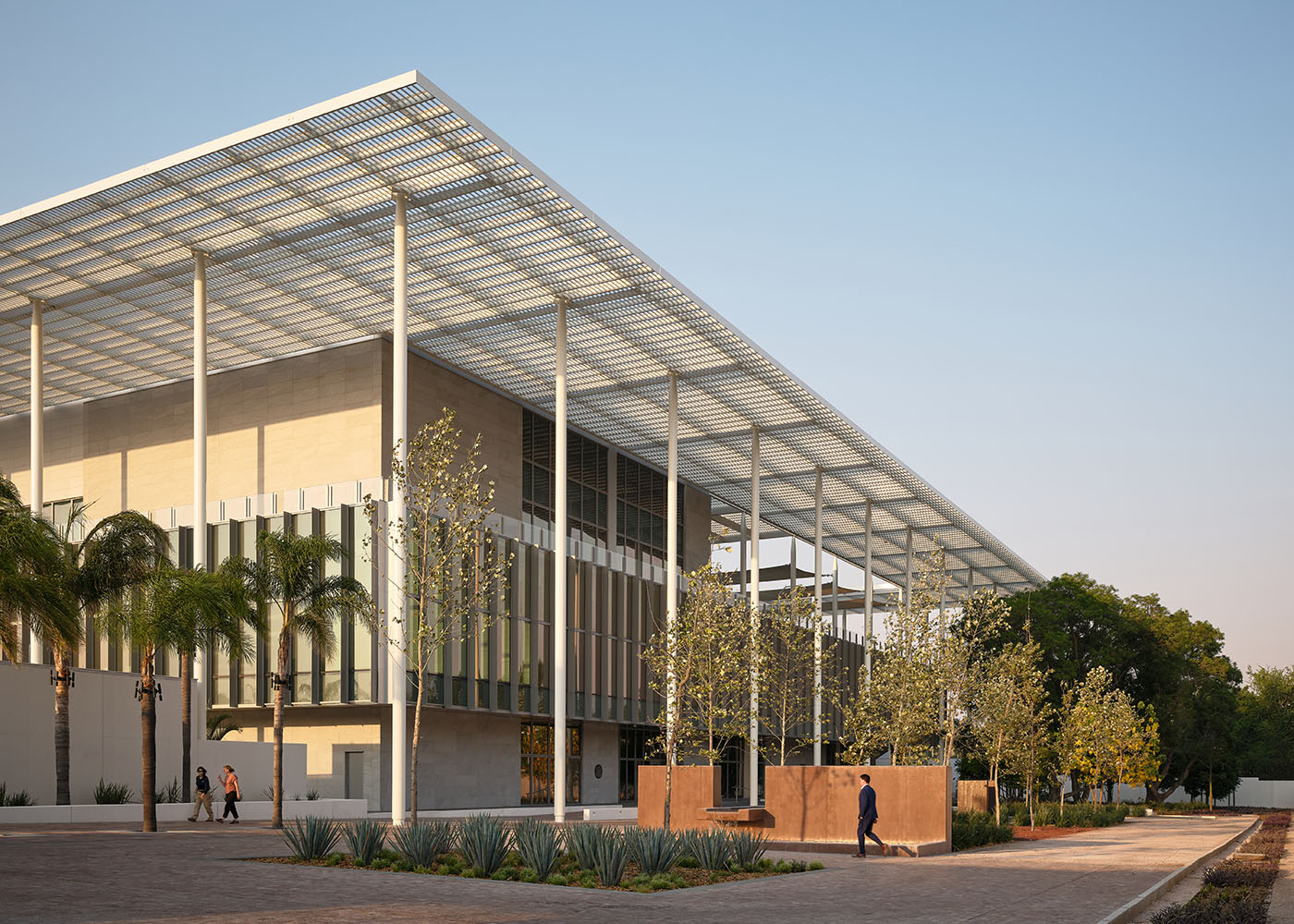
For the U.S. Consulate General Guadalajara, Miller Hull leveraged the local vernacular based in the temperate climate, one that employs strong indoor – outdoor connections. This is most evident in the palapa-based design. In this rendition of that open-sided canopy, a large roof with substantial overhangs provides shade for outdoor spaces while still allowing light to flow indoors.
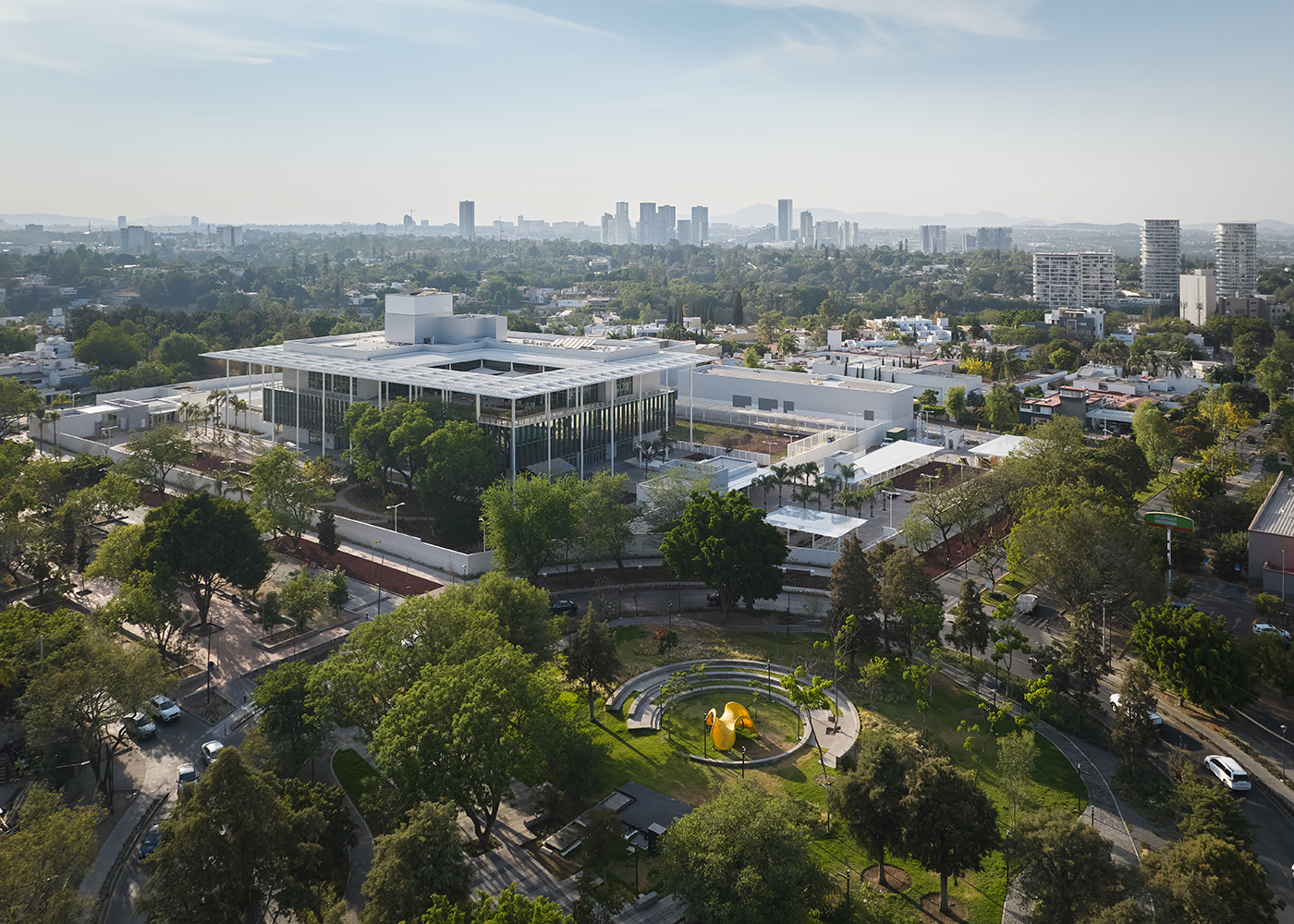
The multi-building compound includes a new approximately 12,000-square-meter office building, entry pavilions, marine guard residence, support and utility buildings, recreational areas, and two 150-vehicle underground parking garages.
One of the project's challenges was to significantly increase the consulate's service capacity. The new facility more than doubles the number of service windows compared to the previous consulate. And it reduces the consulate's overall footprint by going vertical. Most of the consular program is situated on the second floor. This also provides panoramic views through mature Jacaranda trees on the site.
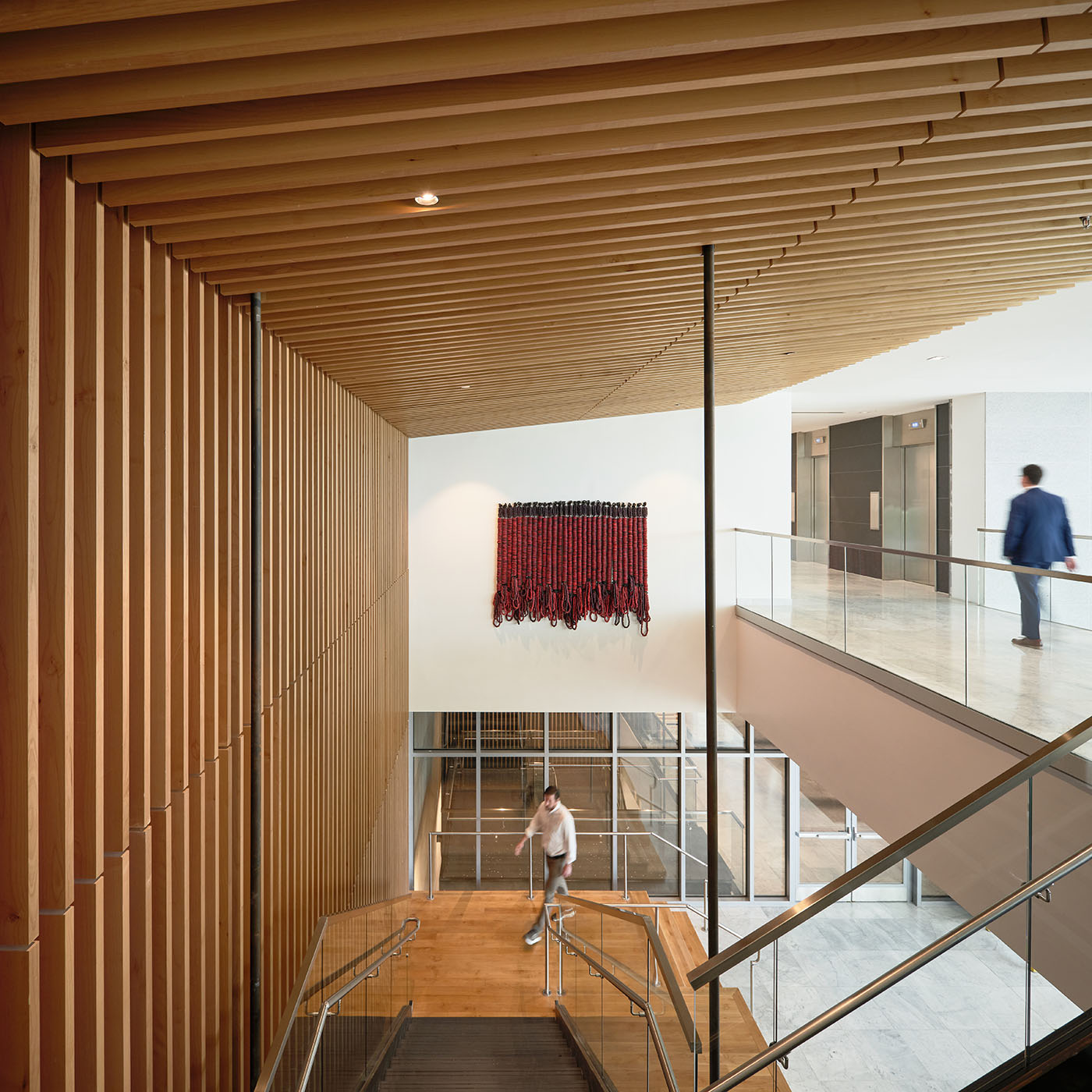
The third floor functions as a social hub for consulate personnel and most exemplifies the indoor – outdoor design concept. Dining, service, and gathering spaces are located there, as well as a spacious outdoor terrace for events. Open staircases let in natural light and facilitate ventilation.
With significant investments in sustainable design, solar panels are designed to contribute 15% of the building's energy needs. The project also has a goal of net-zero water consumption. All of the site's architectural water features utilize rainwater captured from building roofs. Water for irrigation comes from treated wastewater. Drought-adapted native plantings such as agave succulents, cacti, and trees further support the project's environmental performance goals.
Miller Hull has submitted this design for the 2025 AIA Seattle Honor Awards which will be announced on Nov. 3.
Nina Milligan can be
reached by email or by phone
at (206) 219-6482.