|
Subscribe / Renew |
 |
Contact Us |
| ► Subscribe to our Free Weekly Newsletter | |

Construction Bids
| home | Welcome, sign in or click here to subscribe. | login |


 print print  email to a friend email to a friend  reprints add to mydjc reprints add to mydjc |  |
November 28, 2025
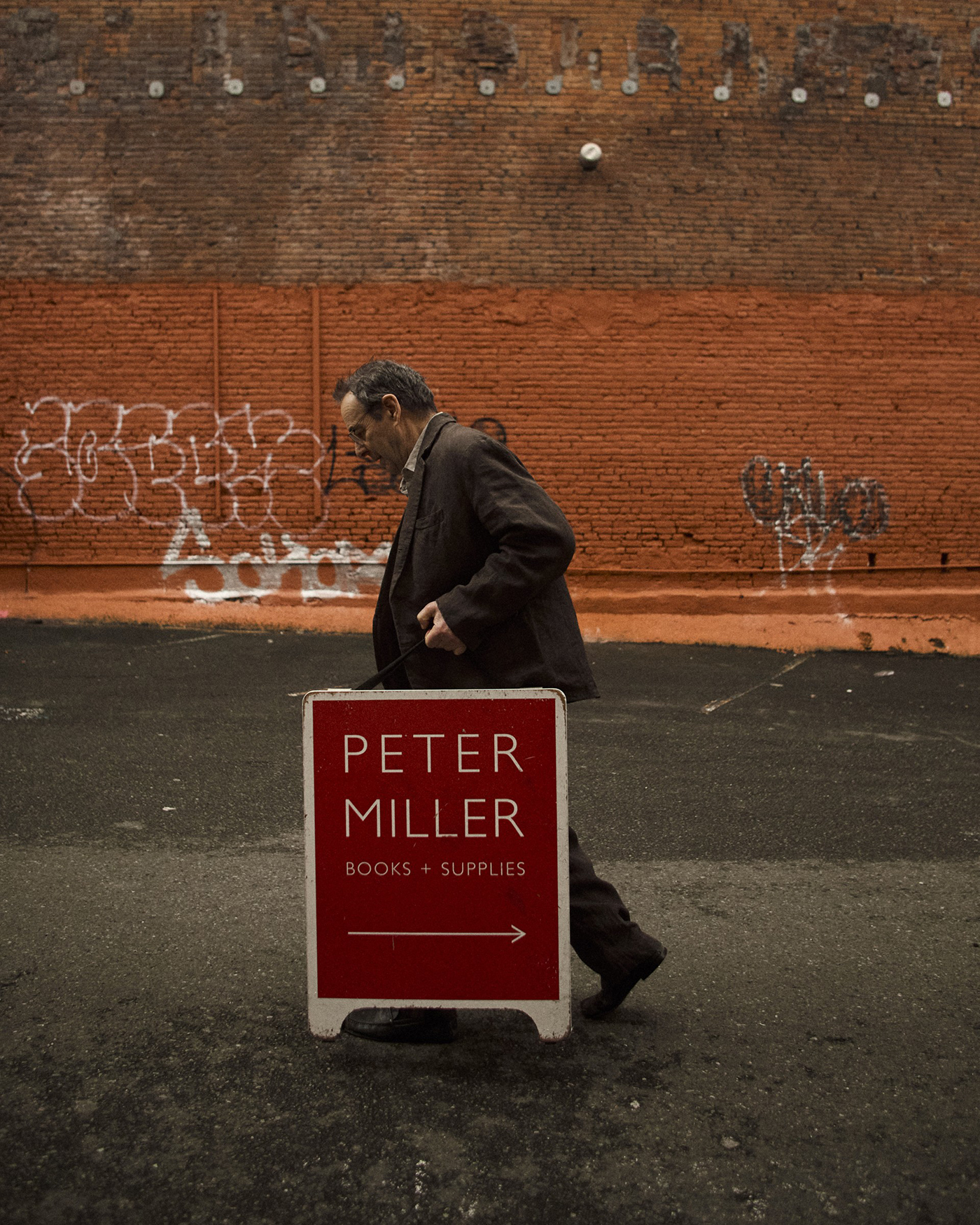
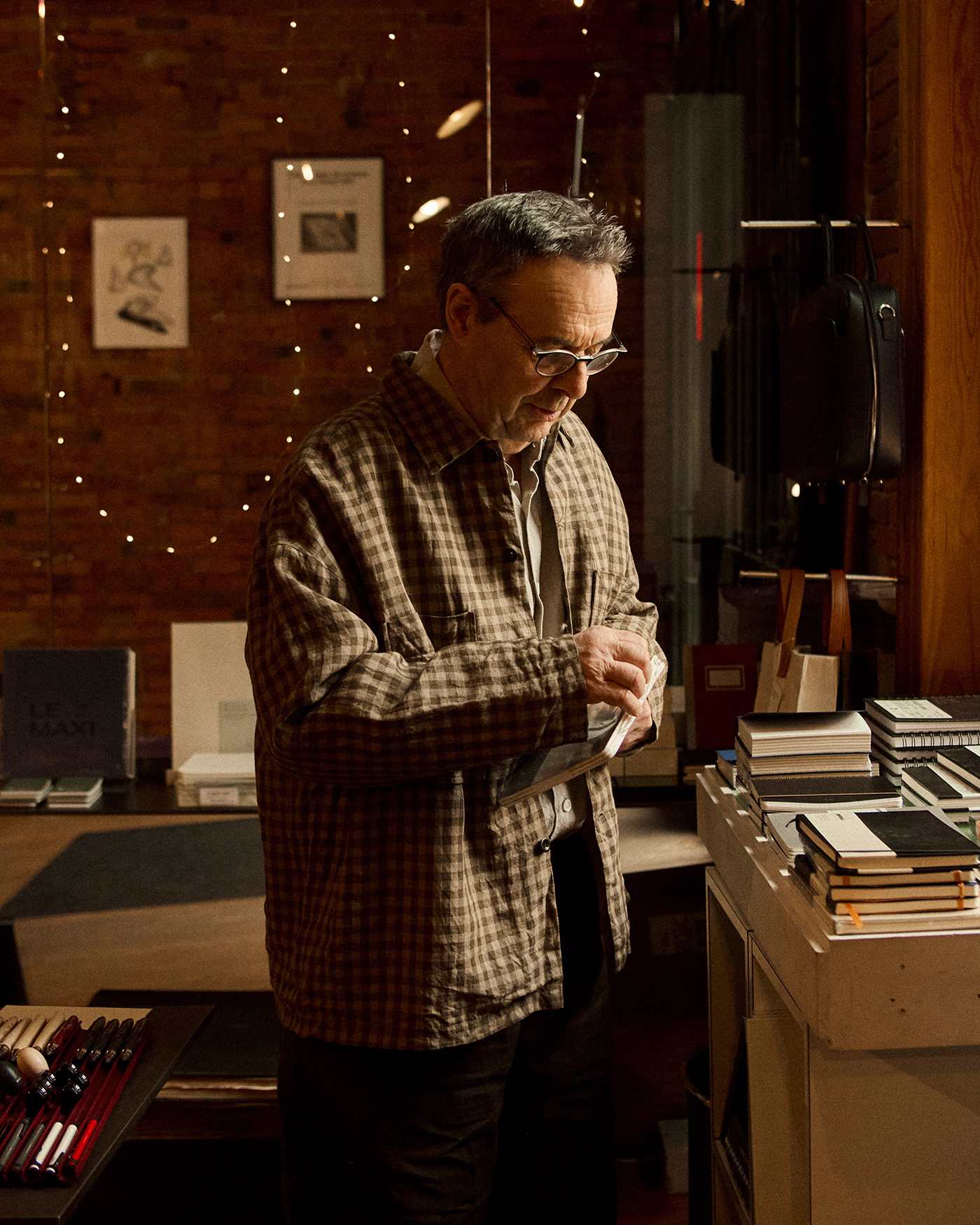
Peter Miller moved to Seattle in 1970. If you don't remember Seattle in the early '70s, it's worth looking up. Miller was a construction worker with a project in Montana when he decided to open a bookstore in Wallingford. They sold books, but the underlying reason for a bookstore was to create a third place long before the phrase was coined. It was a place where folks could get together after work and talk, share, and forge relationships. They called it Montana Books.
Over 50 years in business, Miller's bookstore, now called Peter Miller Architectural & Design Books and Supplies at 304 Alaskan Way S. Post Alley, has become the premier resource in the Northwest to locate literature focusing on architecture and design. The DJC caught up with Peter Miller to talk about changes he's seen in Pioneer Square over the years, the impact of waterfront redevelopment on the neighborhood, why he wears a tie to work every day, and of course, his thoughts on books. This interview was edited for clarity, length and readability.
HISTORY
Q. You moved your store from its location near Pike Place Market about five years ago. How do you like being in Pioneer Square?
A. We had a store in Pioneer Square in the St. Charles Hotel, on Washington Street 45 years or so ago. I was the contractor for the Elliott Bay Bookstore building on First and Main and, on lunch breaks, would poke about. The (Seattle) Weekly, and graphic designers were moving into the St. Charles and I liked it. It was lovely. Argent Locksmith across the street, Seattle Trust on the corner, and there was talk of a hotel coming at the waterside. Times were changing in Pioneer Square, but somehow it did not work for my design bookshop at the time, nor for Pioneer Square.
We moved to First Avenue and Virginia, and in moments found our proper location. We had Labuznik, Baby & Company, the Virginia Inn, and in truth it became one of the best streets in the city.
Pioneer Square is now my true ally and place. The viaduct coming down was the surgery that brought life. And the waterfront is the surgery that shall save both Pioneer Square and the Market. Soon enough, Pioneer Square will be the best it has ever been.
PIONEER SQUARE
Q. If you could walk out the door and wave a magic wand to change anything in Pioneer Square, what would you change?
A. If I could change anything with a wand, shops would fill the empty spaces. They will come. In a sense, the great success of First Thursday is a first sign.
Q. How are your stores different over time?
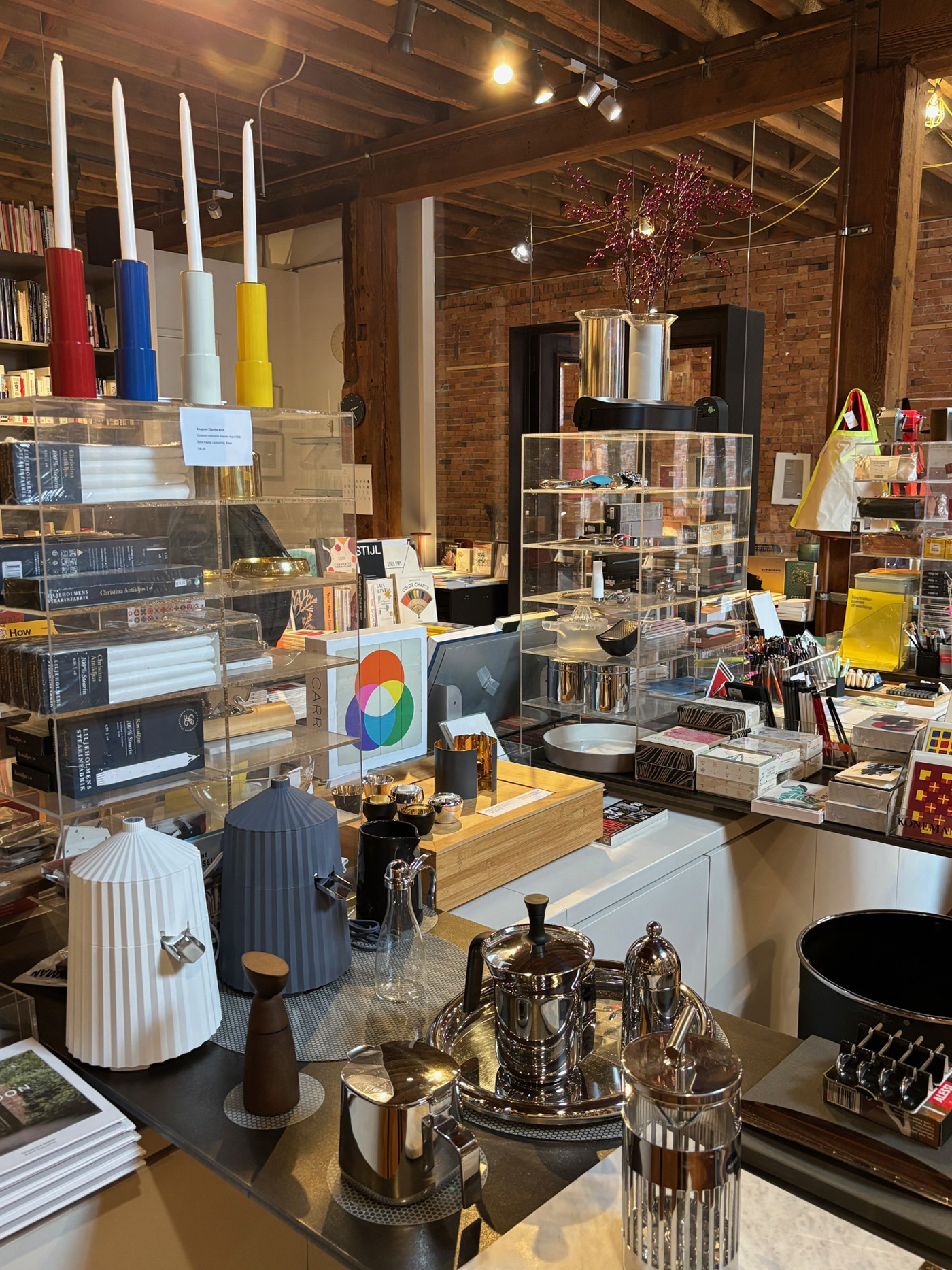
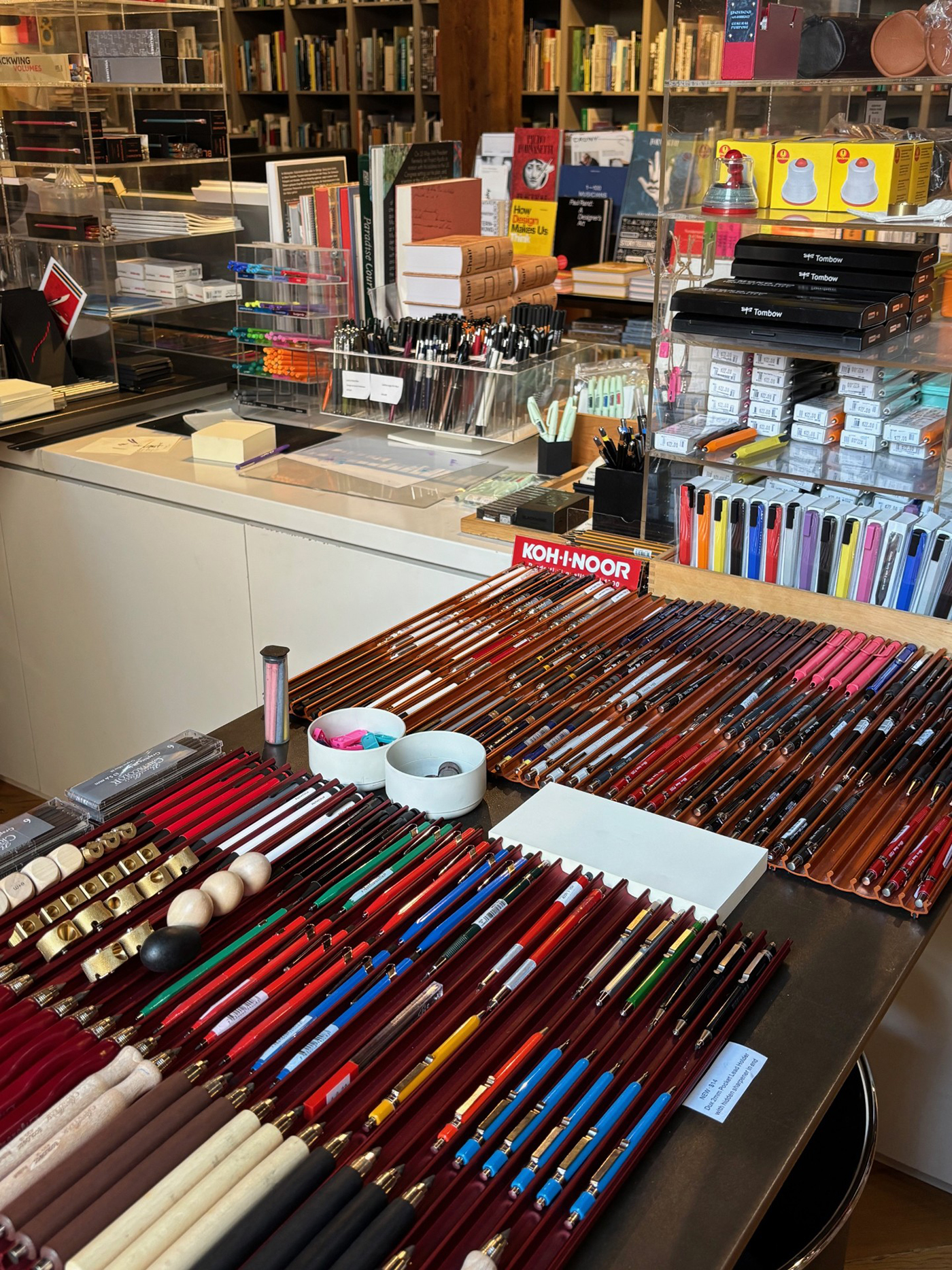
A. The shop in Pioneer Square is the most specific we have ever been, located in the alley, with only one small window to the public. It was designed to be specific and represents, in our best sense, design. Architecture, graphics, landscape, industrial design, urban design. It has a small sign — no cellphones, none at all. Once you are there, it is privacy and a refuge. It has a very curated design objects section. It is quite serious, of course, but the music might well be Hawaiian slack guitar.
Q. I hear Pier 48 on the waterfront at the end of Washington Street, next to Molly Moon's, is of particular interest to you. What do you envision there?
A. Pier 48 is a magic slipper, hidden in weeds, grass, fencing and barbed wire and restrictions. One day it will be the most lyrical tiny waterfront space in the whole city. People will sign up months in advance to get married there.
THE PERSONAL SIDE
Q. What is your favorite place to read a book?
A. Ironically, stuck in an airport is a fine place to read; you are not going anywhere. But for an actual life, I need a good light, a chair that does not boast of putting people to sleep, and some moderation of sound. It also depends on the book. Many titles now, consciously or not, reenact the pace of a film. The truer the book, the more it shall ask of you and your attention.
Q. What is your favorite part of the workday?
A. It used to be the end of the day. The 5 p.m. to 6 p.m. time was congenial, and we would see many people who had finished that day or just arrived in town. Now, somewhat sadly, no one is about after 5 p.m., or they are headed elsewhere. The fun of a shop is the people who come. At this point in Seattle life, the most buoyant time and day are Saturday mornings. Even children come!
Q. You appear to wear a tie to work every day. Why? How do you choose which tie to wear?
A. I do wear a tie every morning during the week. It is how I signal to myself: we are going to work. I always hope more people will wear ties. It is such a detail of color and history. I choose my tie partly by the weather (a heavier tie is warmer), partly by the sun (a brighter day will greet a brighter tie), partly by the season (you do not wear woolens in summer), partly by the date (it may be a birthday, a holiday, or a full moon) and partly by how I feel. On the proper day, a proper tie is properly in place.
HIS CUSTOMERS
Q. How do online sales compare to in-person sales in the shop?
A. We are and shall always be a shop. And shops are for people. Our website represents the shop and serves many people who for the moment cannot get to the shop. I have the very best customers in the world, brilliantly loyal to the shop. They will order in a way to keep their intimacy to the shop. And when they come to town, they come to the shop.
Q. Is there a customer who has been with you since the beginning?
A. One of our favorite customers, who seems to have always been with us, came in recently. He wants to leave a dozen books to his children, and their children, and he wants them to represent what he has loved about design books. We are carefully selecting the perfect books — books that will increase in value, that are inimitable, crucial and indicative.
Q. What books are architects gravitating toward these days in your store?
A. Remarkably, it is a time of very good books. Unlike politics, the best new books tend to be handsome, careful, well-researched and intended to represent some optimism. Architects and designers are conscientious about the books they want. They do not need a show. They need the book to matter, and to mean it. It is our job to find such titles.
Q. Tell us about lunch at the shop. How did it start and what does it mean to you?
A. We make lunch every day at the shop. It is our quiet advantage. The University of Washington Press is reprinting my book “Lunch at the Shop” next spring, in a paperback edition. I am quite proud. It seems a fine time for people to learn to make a good lunch, and to enjoy it. There are few opportunities of a day that are more often missed than lunch.
Q. Peter Miller Books seems like more than just a store. Is that your intention?
A. It is not more than a store, unless you call a shop more than a store. It is the open part of a street. A shop presents and, unless you are a particular obstruction or offense, you are welcome to come in. In that sense, it is a rarity. You can look up and down the streets, there are many things but in truth, there are few shops.
Nina Milligan can be
reached by email or by phone
at (206) 219-6482.