 |
Subscribe / Renew |
 |
Contact Us |
| ► Subscribe to our Free Weekly Newsletter | |

Construction Bids
| home | Welcome, sign in or click here to subscribe. | login |


 print print  email to a friend email to a friend  reprints add to mydjc reprints add to mydjc |  |
August 4, 2025
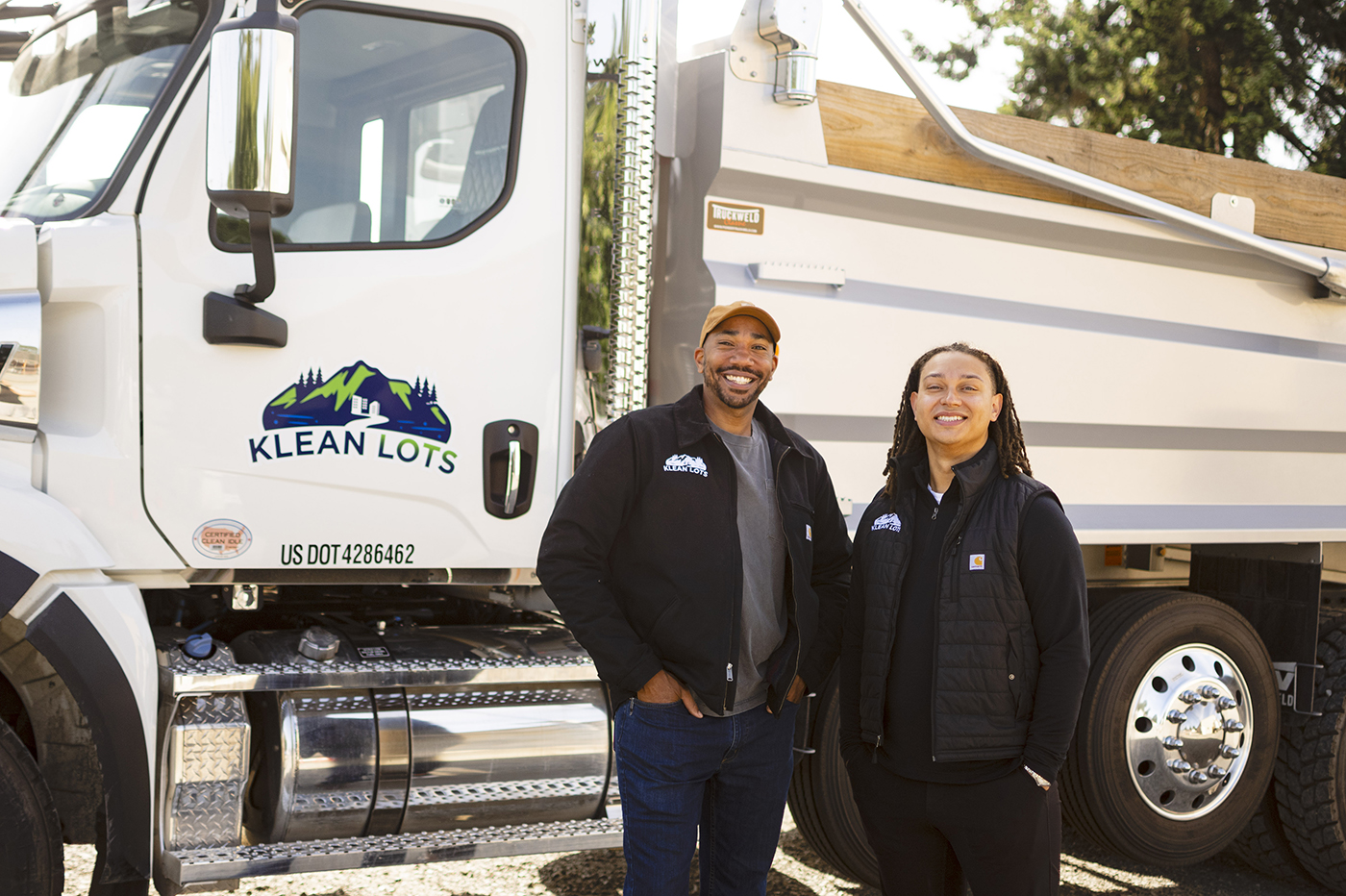
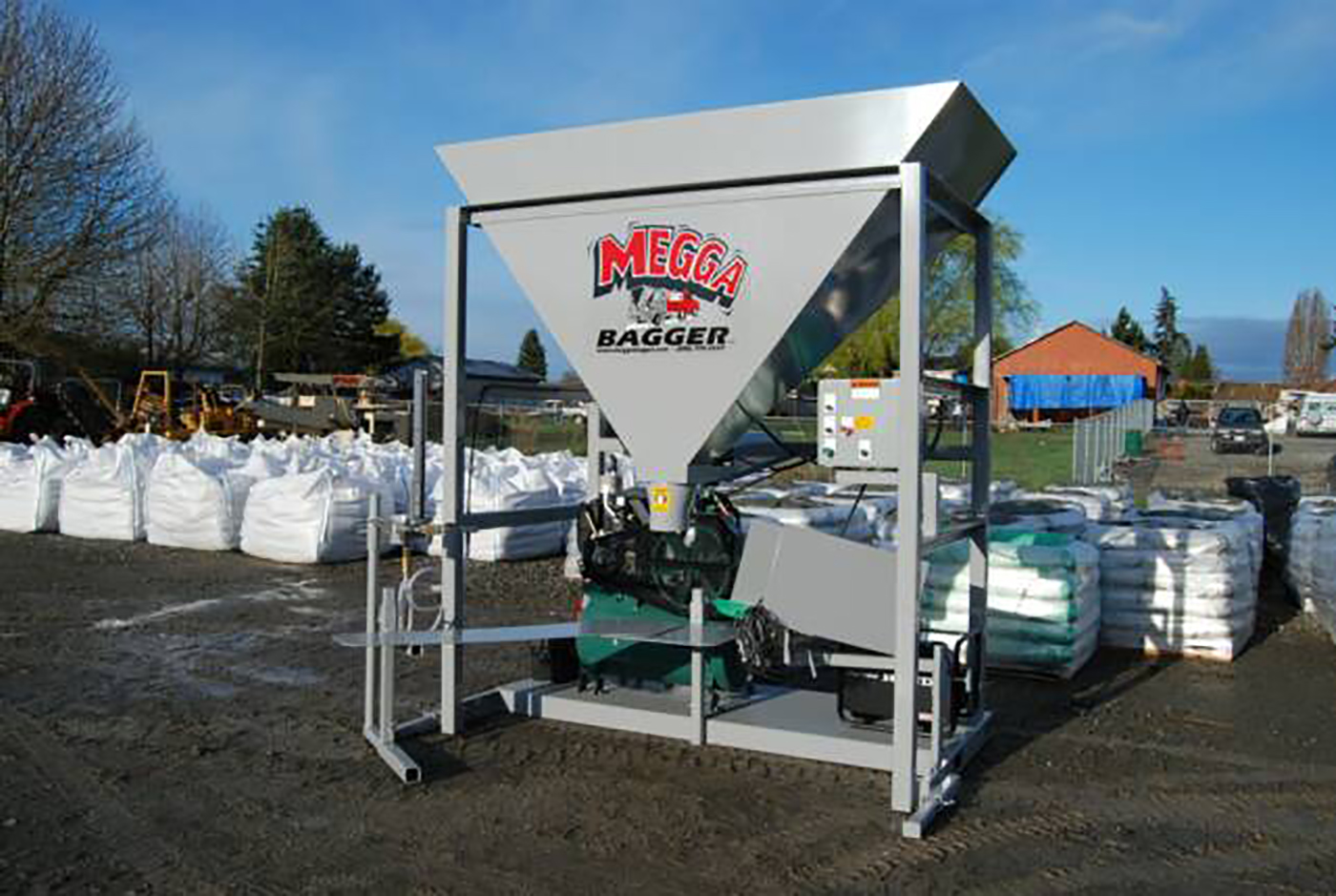
The DJC connected with Teresa Maxwell, who oversees small and diverse subcontractors and compliance for Skanska USA Civil along the West Coast, and two of the company's local small business partners to talk about what primes and subcontractors need most from each other.
Kyle Vinson and Alex Harrington, cousins and co-owners of Bonney Lake's Klean Lots, are currently working with Skanska on the Washington State Department of Transportation's $834 million Interstate-405/Brickyard to state Route 527 improvement project and $1.38 billion Portage Bay Bridge projects. Viola Malone, of Puyallup's The Bag Lady, has worked with Skanska since WSDOT's $1.4 billion state Route 16 HOV connection project in Tacoma, on the recently completed Lynnwood Link Extension L300 project, and is also working on the Interstate-405/Brickyard project.
Q. What can larger contractors do to make it easier for small businesses to work on their big jobs?
Teresa Maxwell (T.M.): The number one key strategy is for large contractors to communicate often, and in different forms, with the small business community. It is important to understand the barriers small businesses are experiencing, and the best way to do that is by communicating.
An important communication strategy that we undertake at Skanska is being active members of local organizations like the Northwest Minority Builders Alliance (NMBA) and the Association of Women & Minority Businesses (AWMB). By being members, we make our staff accessible to small businesses one-on-one, and we also hear from the associations that advocate on behalf of the small businesses what they are experiencing so we can adjust our programs and strategies.
Q. Similarly, what can small businesses do to best prepare themselves to work with large contractors?
T.M.: Take advantage of opportunities to build skills and meet staff by participating in mentorship programs. Skanska hosts a Construction Management Building Blocks (CMBB) Program and Skanska Small Business Academy Workshops throughout the year. These free programs are geared to help small businesses learn topics like contract terms, certified payroll, business development, certification, project labor agreements, navigating the prime contract, how to submit a bid — and more. We adjust the topics based on the feedback and communication we receive from participants and the local small business community.
Q. How can larger contractors protect their small business relationships in times of downturn?
T.M.: Continue to network and build relationships with large contractors, but also small businesses. Large contractors finding industry organizations that are advocating for small businesses and supporting their mission is invaluable to continue to grow the small business community.
Q. What sectors do you see having the best growth potential for small businesses looking to take on bigger jobs?
T.M.: Sectors with potential for small businesses aiming to secure larger contracts to expand their project portfolio could include transportation and infrastructure projects. WSDOT, Sound Transit and other local government agencies are all funding large projects this year and in the foreseeable future. Small businesses can position themselves to understand the upcoming public investments, and on large design-build projects understand that not all bid opportunities are with the prime contractor — there are opportunities to work for the agency themselves and to work as a lower tier subcontractor.
Q. What are some of the things smaller businesses can do to position themselves to work on bigger jobs?
Kyle Vinson and Alex Harrington (K.V./A.H.): Reliability and consistency are the biggest things that maintain our reputation on these jobs. Simply delivering on the scope of work that you bid on builds a level of trust that makes contractors want to keep working with you. That helps you develop a relationship with the project team where you get to be personable with each other and know either of you can call on the other if you need something.

Viola Malone (V.M.): Get out there and meet your potential clients. Bid as much as possible. My motto was no job was too small. We also do what we say and are reliable and do quality work.
Q. What is your philosophy on scaling employees and resources in order to take on bigger jobs but also not be overstaffed when those larger jobs are finished?
K.V/A.H.: This is definitely a challenging balance to strike, but having a really well-oiled bid process internally is something that helps us a lot. We do our planning two to three years in advance so that we can determine where staffing needs to be for coming projects.
V.M.: If we get a bigger job, we hustle and hire the minimum to accommodate the larger job. We try not to overbook other jobs. We have a percentage of employees that are seasonal, and our main crew that have been with us for 10 and over 20 years. The seasonal crew generally peel off at the right time. It is a rare occasion for us to lay off extra crew.
Q. How do you decide what work to take on?
K.V./A.H.: If the scope of work aligns with our strengths and gives us an opportunity to stretch and push ourselves, then the contract is probably a good fit. There are definitely primes that we prefer working with — Skanska being one of them — based on how they work with small businesses. Not every large GC understands the nuances of making payroll and keeping up with compliance and scheduling your crew when you've only got a couple people in the office.
V.M.: We bid on what we want to work on. We try to stay in our own lane of erosion control whether we are a supplier or a contractor.
Q. What technologies do you see as essential to your businesses? How will that change in the next few years?
K.V./A.H.: It's become trite, but AI has actually been a great value-add for our business. There's been a lot of worry about how it will affect the job market long-term, but we've seen it increase our team's efficiency and output by probably 20% or more. It's no secret that the construction industry lags behind on the software and technology side of things, but our administrative processes have been helped a lot by incorporating AI into our workflow.
V.M.: The internet is generally our go-to for all applications
Q. What equipment is essential to your success, and how do you decide when to upgrade?
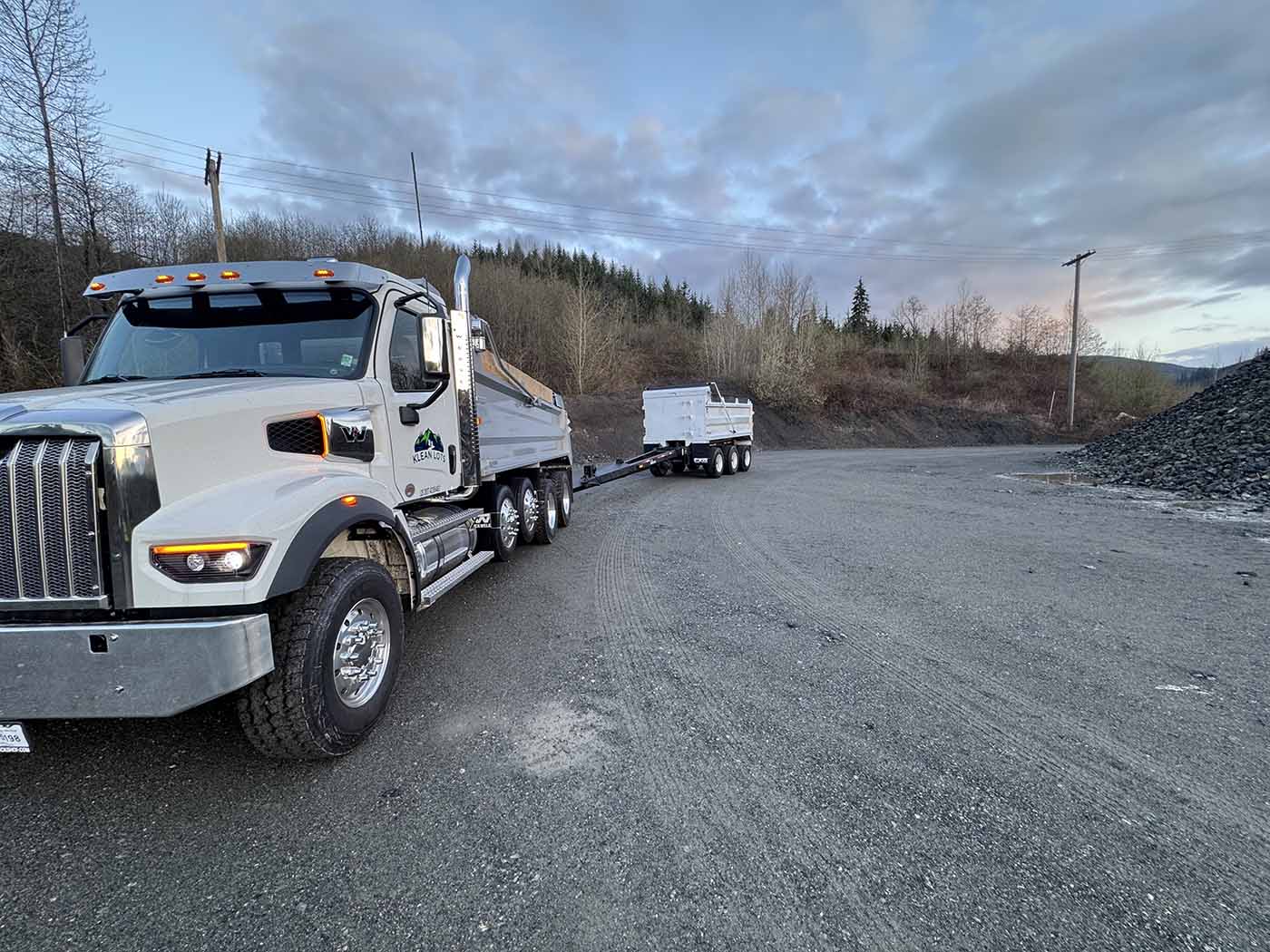
K.V./A.H.: Besides our team members, our equipment is the most vital piece of the business. We typically think of a truck as having a particular lifespan — which will vary between dump trucks, sweepers, etc. — so we keep track of where they're at in that lifespan and will cycle some trucks out to be backups as we upgrade our fleet. Having a well-maintained fleet tends to set us apart from competitors. We couldn't fathom being called on to perform and then not being able to do so because our equipment isn't operating well.
V.M.: Since we are a manufacturing facility, wholesale, retail and a contractor, we need equipment for our fabrication shop, trucks, trailers, excavators, loaders and forklifts. We replace when the equipment gets worn out and purchase when we have more jobs than equipment.
Q. How do you stay current in technology and equipment?
K.V./A.H.: We have good relationships with our suppliers and with various trade organizations that help keep us up to date on emerging technologies and business practices. However, we try to be on the cutting edge of the industry, and I think our prime contractors would agree that we tend to raise the bar with the quality of our work and the equipment we use to do it.
V.M.: We manufacture Construction Entrance plates, equipment trailers, powder coating and flatbeds for trucks. I feel that we have changed the way the Pacific Northwest does erosion control. We have led in technology and equipment.
Q. What sectors do you see having the best growth potential for small businesses looking to take on bigger jobs?
K.V./A.H.: There's a lot of potential in the residential space right now, especially as there's been a grassroots effort to change some of our state's policies around zoning and land use so we can build the much-needed supply of homes our region is lacking. We have a long way to go, but allowing things like upzoning on previously single-family lots, and allowing lot-splitting have definitely made us more interested in helping that housing growth happen.
V.M.: I believe that wiring and electrical contractors are needed with all the increasing demand for energy infrastructure.
Q. What do you anticipate in the next six to 12 months and what is your advice to others weathering the storm?
K.V./A.H.: We've always agreed that it's what you do that matters. We're going to continue providing the highest quality of service for our customers and allowing our team to create value for the owners of these projects (and the end-users that will eventually take advantage of them). We've seen the industry bounce back from the Great Recession, from COVID, and from myriad other challenges, and we're confident in what the future holds.
V.M.: Thankfully, The Bag Lady is not experiencing a storm. We are actually very busy and hoping to have another record-breaking year.
Shawna Gamache can be
reached by email or by phone
at (206) 219-6518.


