 |
Subscribe / Renew |
 |
Contact Us |
| ► Subscribe to our Free Weekly Newsletter | |

Construction Bids
| home | Welcome, sign in or click here to subscribe. | login |


 print print  email to a friend email to a friend  reprints add to mydjc reprints add to mydjc |  |
 |
October 13, 2025

Winch
|
Having helped develop multiple programs to maximize inclusion of MWDBE firms on projects across the U.S., I've found that most programs are developed by primes for the benefit of MWDBE firms. While well-intended, these programs primarily engage MWDBE firms in key scopes, but do not engage the firms in the activities that define how a team will work together.
I propose rethinking subconsultant/subcontractor engagement overall, pushing to fully involve our partner firms in project partnering to fully participate in creating the agreements that define project success.
ENGAGING PARTNERS
As a senior facilitator with the International Partnering Institute, I've conducted more than 150 formal partnering processes with teams from around the world. Seldom do I see significant participation from subcontractor or MWDBE partners. I'd like to propose an alternative; what if we engaged the full range of project partners — in both design and construction —in project partnering?
In the few instances where primes have engaged MWDBE partners in partnering, the consistent feedback is that they enjoyed the process, felt more deeply engaged in the project, and felt more confident in their roles after having engaged directly with the owner and key members of the team. In many cases, however, primes seek to restrict the number of participants, choosing to create agreements between the leaders of design-construction-owner-and owner's representation teams.
TAKING IN ALL PERSPECTIVES
Partnering, however, provides an excellent opportunity to practice true inclusion. During partnering sessions, we define a common definition of project success, listening deeply to the perspectives of all parties, oftentimes including key users and AHJ stakeholders. We also develop rules of engagement for communication, decision-making, and dispute resolution.
Ultimately, an effective partnering session results in a project charter that directs and informs the activities and key decisions of all project parties. Including more parties in the creation of these agreements can only benefit projects and relationships.
INCLUSIVE PARTNERING, EVEN WITH BIGGER GROUPS
A common challenge to inclusion in partnering processes relates to group size; in many cases, those planning the event seek to keep the group small to make it more manageable. We've found several solutions that work to create ownership and commitment to agreements among team members, even with extremely large groups of participants. The trick is to bring in a larger facilitation team to break the scale of the event into manageable groups and to engage the project leadership team in the planning process in a more significant way.
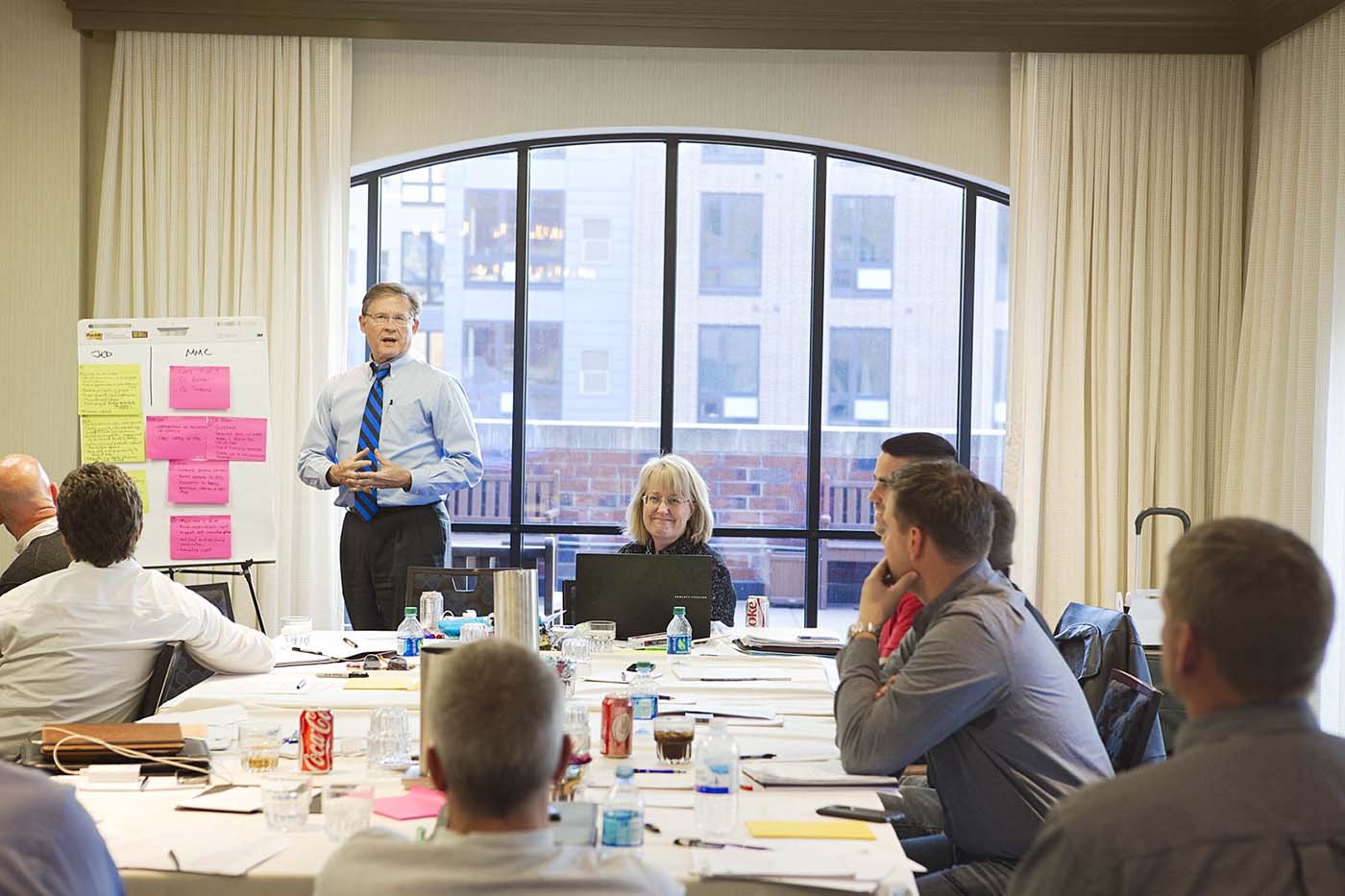
For example, at the Harbor UCLA Medical Center, the Communication Resources team has worked for multiple years on large partnering processes involving 50-75 participants, depending on the project stage. We initiate each session with significant pre-work with a core leadership team and then provide opportunity for broad participation of participants from across firms and functions.
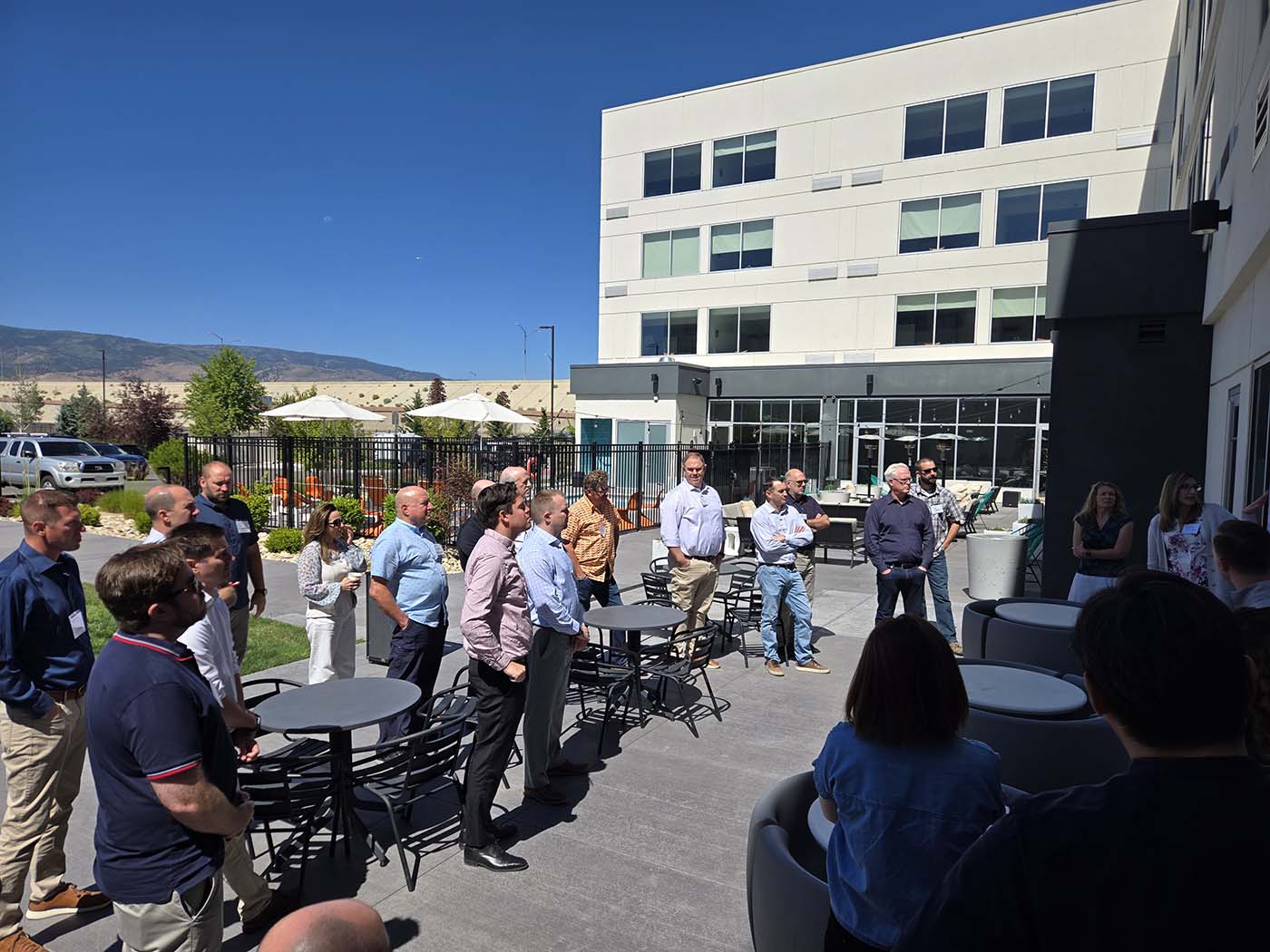
Similarly, for the Reno-Tahoe International Airport, we are leading partnering initiatives with an active leadership group. We welcomed 60 people into an interactive session, with plans for ramping up participation as the team expands throughout design and construction.
For the Theodore Roosevelt Presidential Library and Museum, currently in construction in Medora, North Dakota, we've conducted multiple partnering sessions from the initiation of design during the pandemic in a virtual session that included 75 participants from around the world to small group partnering interventions between the owner and scope-specific teams. To date, we've completed seven different partnering events/processes tailored to meet the needs of the project and the team members as they moved through the phases and challenges of a once-in-a-lifetime project. From Day 1, we've worked with the team to prioritize inclusion, echoing Teddy Roosevelt's exhortation to ‘get into the arena' with the team and ‘strive for greatness,' even under challenging circumstances.
LESS PERFORMATIVE, MORE STRATEGIC
Teams that embrace partnering as central to their project delivery processes see the benefits at every stage — from getting key team members on the same page relative to vision, decision-making, risk management, and process prioritization to creating a framework for the resolution of conflicts. Partnering is also central to a Lean approach to project delivery in its prioritization of respect for people and the clarification of roles, responsibilities, and critical processes; it is the essence of ‘go slow to go fast.'
Partnering processes, therefore, should be less performative and more strategic, engaging the broadest possible cadre of team members to participate in creating the governance structures and relationships critical to project success. Whether key subs or MWDBE partners — or both — we build stronger relationships and demonstrate the value of each team member by including them in partnering processes.
Inclusive partnering should be central to the initiation stage of any complex project, engaging the broadest range of project partners in developing success frameworks, creating the charters that will guide team behaviors throughout the project's duration. Ownership in agreements matters; instead of socializing team members to agreements, let's engage them in their creation.
Ultimately, effective partnering defines how we treat people as we design and build projects. By inviting the broadest group of project partners to the table to create the agreements that will guide and constrain behavior, we practice inclusion as we build a more resilient team community.
Meg Winch is president of Communication Resources Northwest, and a lean-certified facilitator who holds Senior Partnering Facilitator designation with the International Partnering Institute and has led more than 150 formal partnering processes.
Other Stories:


