 |
Subscribe / Renew |
 |
Contact Us |
| ► Subscribe to our Free Weekly Newsletter | |

Construction Bids
| home | Welcome, sign in or click here to subscribe. | login |


 print print  email to a friend email to a friend  reprints add to mydjc reprints add to mydjc |  |
 |
March 2, 2026
Careers in construction are not built with one blueprint. They are shaped by thousands of paths, skill sets and the people willing to invest in you. For us, mentorship has been one of the most powerful tools shaping our journey, and while our paths to the construction industry and to Skanska have been unique, one thing we all agree on is we wouldn’t change where we ended up for the world.
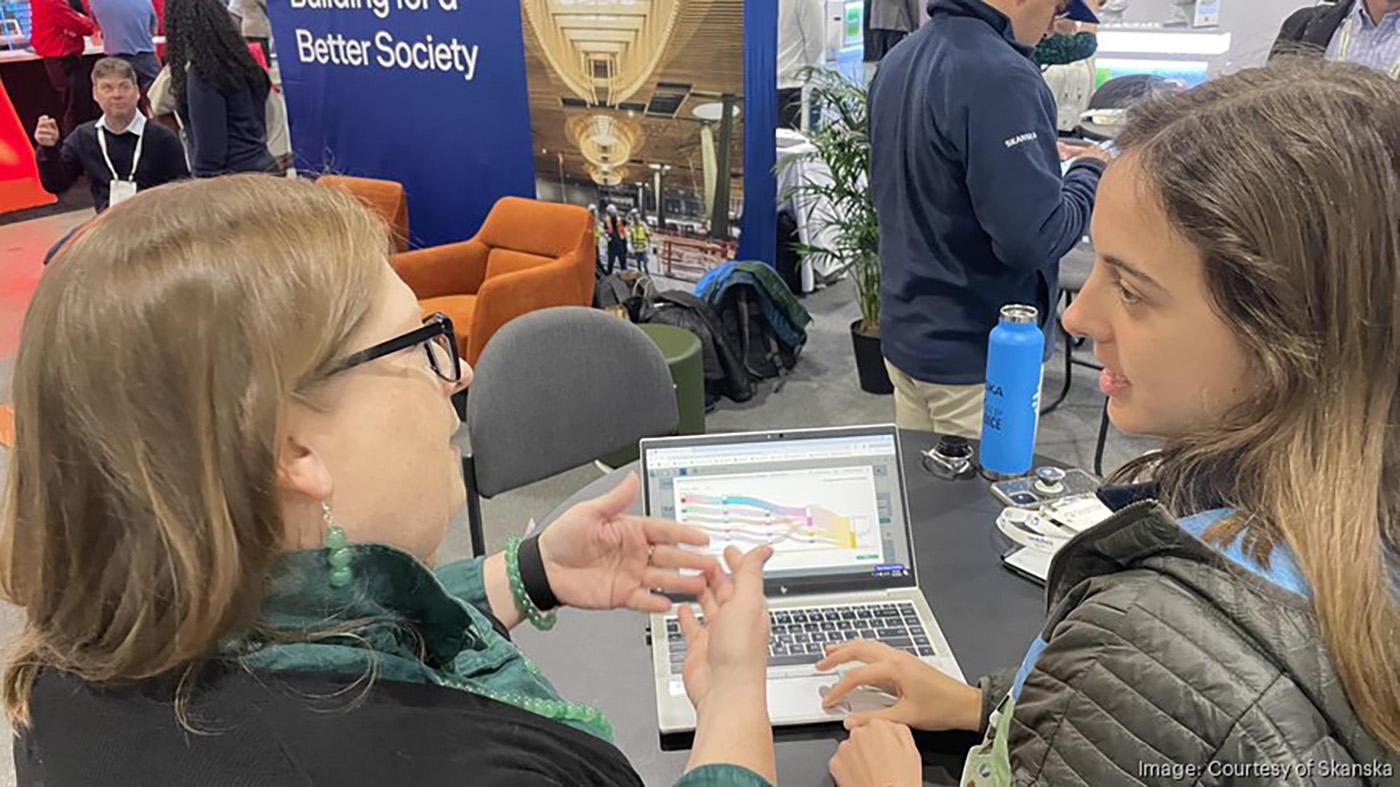
As mentor/mentee pairs — Myrhh Caplan and Bailey Zak, and Randee Schuster and Shannon Stief — we recently got together to discuss a wide range of topics about the industry, what’s helped us grow in our careers, and what still needs work for women in construction.
ON FIRST IMPRESSIONS AND OVERCOMING MISCONCEPTIONS


Randee Schuster: When people outside the workplace learn I work in construction, the first reaction is usually disbelief. The idea of a woman working in construction still feels unexpected. Even within the industry, people often assume most women start in office roles and stay there, but that wasn’t my path. I worked in the field first.
On job sites, people often assumed I needed help. I felt the need to go above and beyond and not let anyone help me because I didn’t want to be seen as a burden. I wanted to be equal and pull the same weight. Those experiences shaped how I approach my job today.

Shannon Stief: I hear similar assumptions. People assume I never did physical labor, but I started doing electrical work at a modular construction company in Colorado. My mentor then was an electrician with decades in the trade. We supported each other. I helped him with technology, and he helped me learn the craft.
That partnership gave me the tools and hands-on experience to stand on my own and respond confidently if anyone questioned my ability. It also helps me communicate better with field teams in my role today because I understand the work from the ground up.
Bailey Zak:I didn’t grow up thinking construction was the plan, but once I got in, I realized how many paths exist. I’ve worked in several roles over eight years, and each one helped me build a different skill set. The validation I got from others early in my career — people recognizing my potential even when my background wasn’t traditional — helped me picture a long-term future in the field.
Myrrh Caplan: When I started in construction, the industry looked narrow from the outside. Many people assumed success depended on physical tasks or a single technical track. Over time, I saw something different.

Construction needs planners, collaborators, problem solvers, and leaders. We need people who come from other industries and bring new ways of thinking. I have watched this industry open up, and I no longer see limits on who belongs or how far someone can go, especially for women
ON FLEXIBILITY, CAREER MOBILITY, LABOR SHORTAGE
MC: Flexibility shaped my career. I moved locations and roles when opportunities aligned with my interests, especially around sustainability and consulting. Not everyone has the option to relocate, but flexibility also includes learning new skills, supporting other teams, and staying visible beyond your immediate role. That approach builds resilience and opens opportunities.
BZ: My flexibility came through role changes and involvement in new tools and pilot efforts. Each move taught me something different about the business. Being open to learning outside my core role helped me understand the bigger picture, build confidence and create more ways to contribute.
RS: Construction faces a real labor shortage, especially in the field. When you look at the numbers, the opportunity is obvious. Women make up about half the population, yet only about ten percent of the construction workforce.
If more women entered this industry, a significant portion of that shortage would ease. The talent already exists. The industry needs to make space for it.
SS: The future depends on whether construction feels welcoming. Women will join and stay only if they see opportunity and respect. When women believe they belong and see paths to succeed, their participation will grow and that kind of shift would strengthen the workforce and help stabilize the industry long term.
ON AUTHENTIC EMPOWERMENT
MC: Policies around parental leave, caregiving, and flexibility show whether a company truly values its people. These policies support everyone, not only women. For example, when a father gets time off to spend with his newborn, that benefits the mom, too.
When employees feel cared for, they stay engaged and committed. That culture helps address workforce challenges across the industry.
RS: Support shows up in both big and small ways. Industry events like Women in Construction Week matter. So do subtle actions. When a woman is talked over in a meeting and a leader brings the conversation back to her, that matters.
Holding space is just as important as representation, which is strong where we work. Diversity is visible, especially in leadership. That progress is encouraging.
SS: Leadership roles matter. Seeing women as project managers changes expectations across the team. It signals trust and capability. That visibility lifts everyone. One area that still needs growth is field leadership. A strong female superintendent would challenge outdated assumptions about who leads in the field. More visibility there would help move the industry forward.
ON WOMEN SUPPORTING WOMEN ON JOB SITES
MC: When I started, there were few women in project roles. We rarely connected with each other. At the time, there was a sense that sticking together might be viewed as weakness. Looking back, that isolation was unnecessary. I am encouraged by how different things feel now. Younger women expect connection and support, and that shift strengthens teams.
BZ: There are still moments where you can feel alone on a job site. What helps is knowing others are nearby, even if they are on different projects. I encourage younger project engineers to connect with each other and share experiences. Those relationships help balance the harder days and remind you that challenges are temporary.
ON WORKING TOGETHER AND FEELING SUPPORTED
RS: Shannon and I also work under Erin, another woman in construction. That structure is not common, and it makes a difference. We check in with each other beyond task lists. We pay attention to how things feel, not only whether something is complete. Understanding personalities and emotional cues helps us work better together.
SS: That emotional awareness sets the tone. Working under Randee is not about taking orders. It is about learning how to navigate situations. I watch how she communicates with subcontractors and handles pressure. That approach aligns with how I want to lead.
When I am asked to present or step into something new, the conversation happens first. That preparation builds confidence.
ON ADVICE FOR THE NEXT GENERATION
MC: Career growth does not move in a straight line. Some years feel quiet. Others feel demanding. I spent many years doing hard work that did not feel remarkable at the time. That effort added up.
Loving the work, even during routine periods, kept me moving forward. I remind younger professionals that growth happens over time, not on a fixed schedule.
BZ: Patience is tough early on. You see where you want to be and waiting feels uncomfortable. I felt that pressure myself. What helped was keeping perspective. Each project ends. Each role teaches something.
I learned to focus on doing the work well and trusting progress would follow. Hearing that perspective from someone further along made it easier to slow down and stay focused.
RS: Confidence matters. Women bring skills and perspectives this industry needs. Doubt creeps in easily, but it does not reflect ability. Trust what you bring to the table.
SS: Strength has many forms. Being kind and approachable does not mean giving ground. You are allowed to be both soft and strong. That balance supports long careers.
ON WHY THIS CONVERSATION MATTERS
MC: Mentorship and sponsorship shape careers. They also shape companies. Investing in people requires time and attention, and the return shows up in stronger teams and future leaders. I see this work as part of my responsibility to the industry.
BZ: Having someone invest in you changes how you see yourself and your work. It creates a sense of belonging and accountability. My goal is to extend that same support to others as I grow. That cycle strengthens the industry for everyone.
SS: Having support makes growth faster. Trying something new feels less risky when someone stands behind you. If I lose my place in a meeting or forget a detail, I know that does not define me. That sense of safety encourages effort and learning.
RS: It also creates room for questions. Asking questions should never feel unsafe. When people understand the “why,” the work improves. Together, our mentor and mentee relationship reflects what is possible in construction. Trust, support, and shared learning strengthen individuals and teams. When women invest in each other, the entire industry benefits.
These stories remind us that when women invest in each other, we help build an industry that’s stronger, more inclusive, and better prepared for the future.
Myrrh Caplan is senior vice president for sustainability at Skanska USA Building, and a mentor to Bailey Zak, sustainability manager. Randee Schuster is a senior project engineer at Skanska USA Civil, and a mentor to Shannon Stief, project engineer.
Other Stories:


