|
Subscribe / Renew |
 |
Contact Us |
| ► Subscribe to our Free Weekly Newsletter | |

Construction Bids
| home | Welcome, sign in or click here to subscribe. | login |


 print  email to a friend  reprints add to mydjc |  |
August 31, 2026
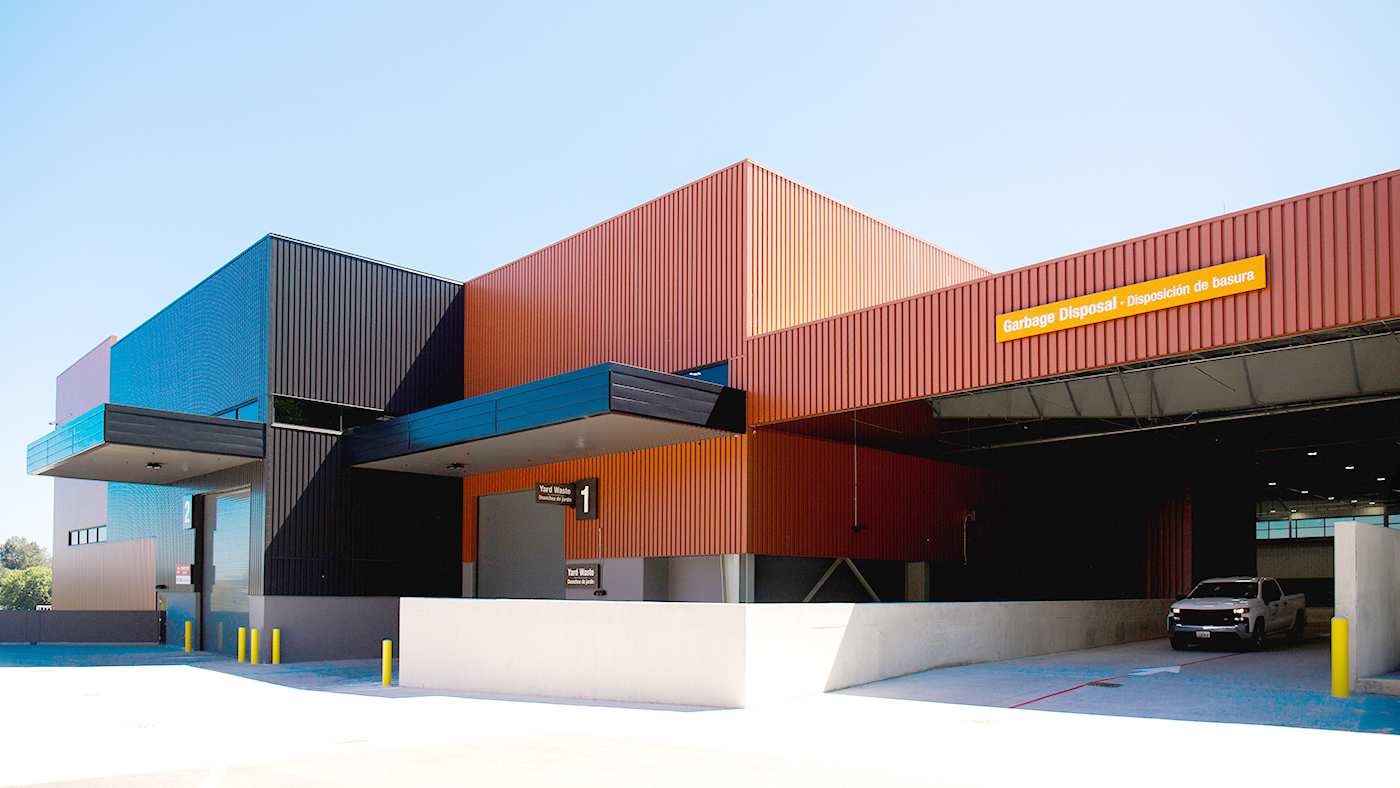
A very different recycling and solid waste transfer station celebrated its completion last week in South King County.
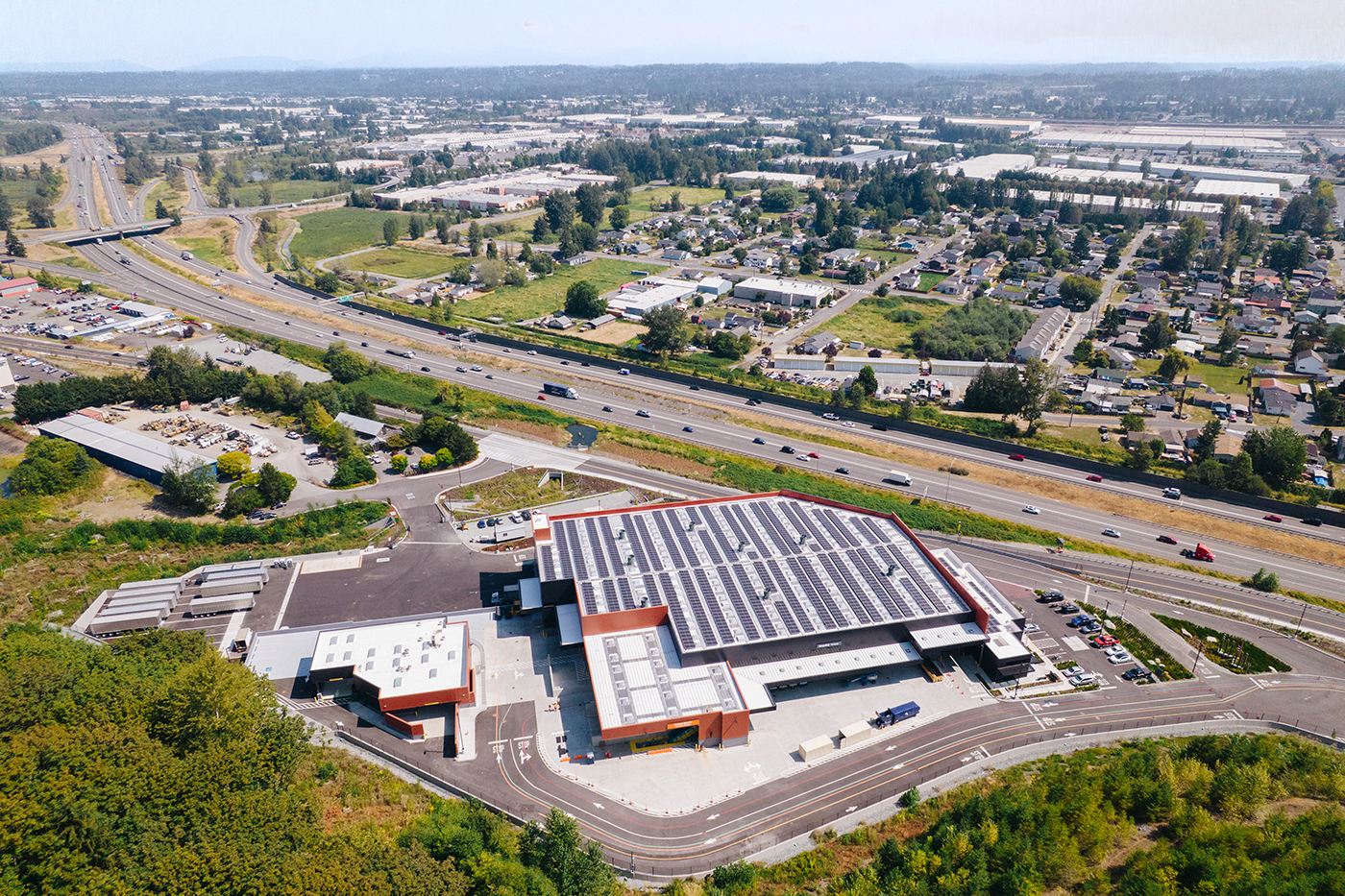
From its rooftop solar array to the Indigenous art and wildlife habitat around the 10-acre site, the facility is a significant departure from its 60-year-old predecessor — and other transfer stations around the country.
The $100 million South County Recycling and Transfer Station in Algona is the first facility of its kind to earn Salmon-Safe certification and is on track to be Living Building Challenge Energy Petal-certified, with a new daylit channel, wildlife habitat, and stormwater capture and reuse.
Lydig Construction began work in 2023 on the 84,000-square-foot facility just north of the county's current facility at 35101 W. Valley Highway S.
HDR is the prime architect/engineering firm overseeing the center's design, with JRMA as a subconsultant for architectural and structural design work The DJC past reported other project team members including Rolluda Architects, FSi Engineers, HBB Landscape Architecture and Osborn Consulting.
Project team members joined community members and local officials, including King County Exec. Girmay Zahilay, on Thursday for the facility's opening celebration.
“I am proud of this new station, and proud of the people who helped create it,” Zahilay said in a release following the event. “At King County, we're not just building more — we're building better, advancing multiple objectives that create more sustainable, resilient, and equitable communities.”
The larger facility will offer expanded services to communities in and around Algona, Auburn, Federal Way and Pacific. It's set to officially take over from the old station on Sept. 14.
A SUSTAINABLE FACILITY
The facility was designed to minimize odor, sound and traffic impacts.
About 56,000 square feet of the facility is transfer and self-haul space, with separate drop-off areas for public and commercial recycling of appliances, glass, metal, plastic, wood, paper and yard waste.
There's about 5,700 square feet for administrative operations, and nearly 4,200 square feet for household hazardous waste disposal.
A basement level of about 17,400 square feet houses compactors and space for load-out and trailer parking. There will also be a 740-square-foot scale house.
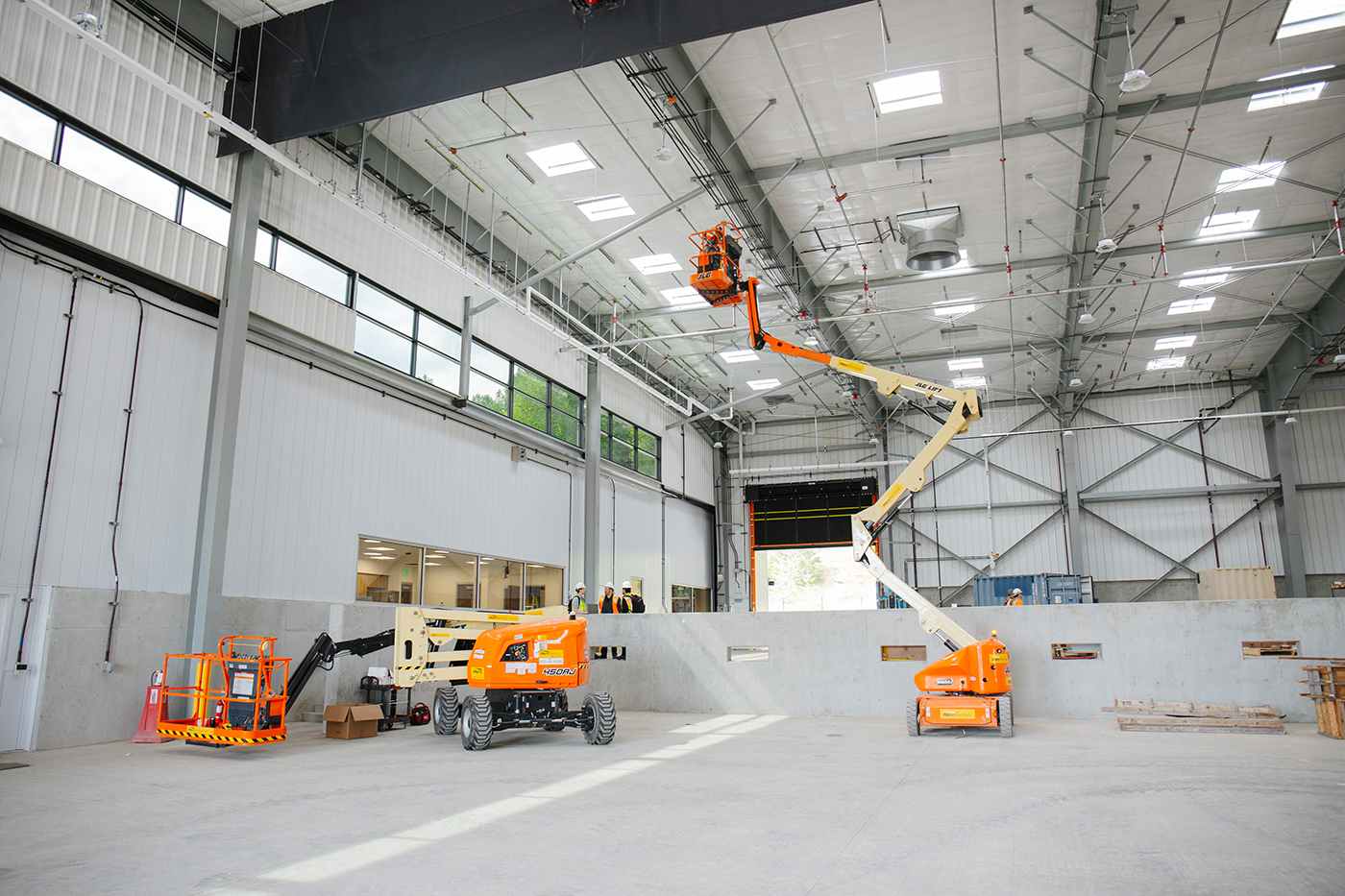
Skylights and solar tubes bring natural sunlight into the administrative, hazardous waste, and transfer buildings, reducing the need for artificial lighting.
The solar array covering 75% of the rooftop should provide about one-third of the facility's energy needs. The building's carbon neutral building development performance also stems from participation in the PSE Green Direct program, providing additional renewable energy from wind power.
The facility also cut its carbon footprint through reducing concrete and other materials. During construction, the project team worked to control soil erosion and sediment, and the project diverted 2.5 million pounds of its construction and demolition materials from landfills to recycling centers.
By expanding the materials it can accept for recycling and reuse, the facility will also contribute to sustainability through its operations.
“This new station helps us achieve our division's goals to recover nearly 70% of the material currently being sent to the Cedar Hills Regional Landfill,” Rebecca Singer, director of King County's Solid Waste Division said in a release. “The residents in South King County want to make sustainable choices, and by offering modern recycling and yard waste service, we're providing convenient ways for them to keep more resources out of the landfill.”
RECONNECTING THE SITE TO NATURE
Around the facility, wildlife habitat was created through planting native vegetation and building a channel.
A buried pipe that used to carry groundwater to a creek feeding into a tributary of salmon-bearing Algona Creek was replaced with a daylit channel carrying flows over the site's surface. Native trees and shrubs surround the site and the new channel, which uses trees cut during construction to provide additional habitat.
The project stores and filters stormwater runoff onsite in three massive underground tanks. Rooftop rainwater will be collected in cisterns totaling 20,000 gallons and will be used regularly at the facility to reduce water use, such as in rinsing off floors and other essential tasks.
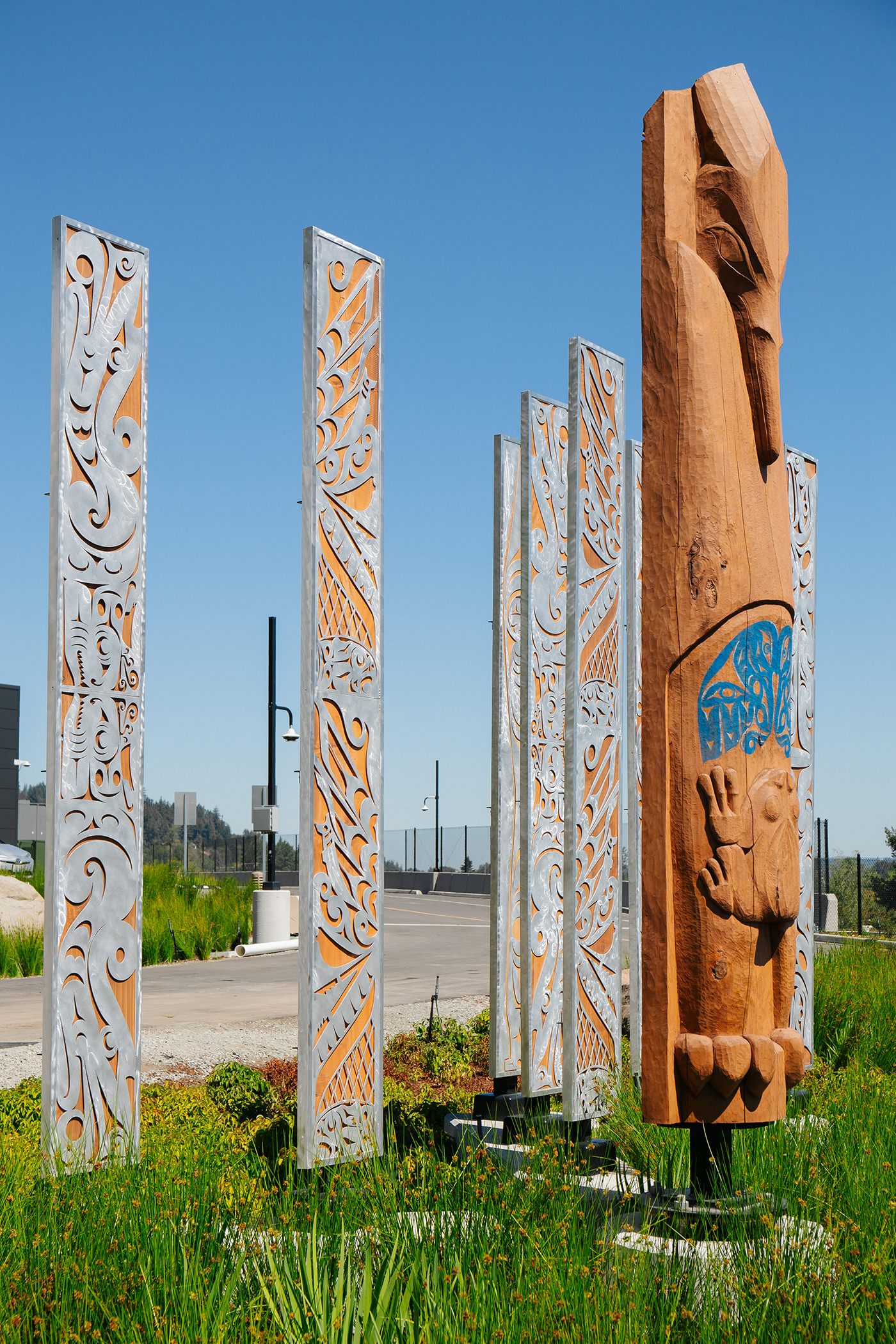
Artists Tyson Simmons, Keith Stevenson, and Sam Obrovac of the Muckleshoot Indian Tribe's Culture Division and Evan Blackwell, faculty member at The Evergreen State College, created artworks designed to “center the ecology of the White River watershed, the knowledge and traditions of the Muckleshoot Tribe, and the labor that brought the facility to life,” the county said.
That includes a carved red cedar pole from a log estimated to be over 180 years old, that shows Blue Heron standing above Frog. Wing panels extend outward on either side from the pole, illustrating wetland animals and tribal stories through Coast Salish design.
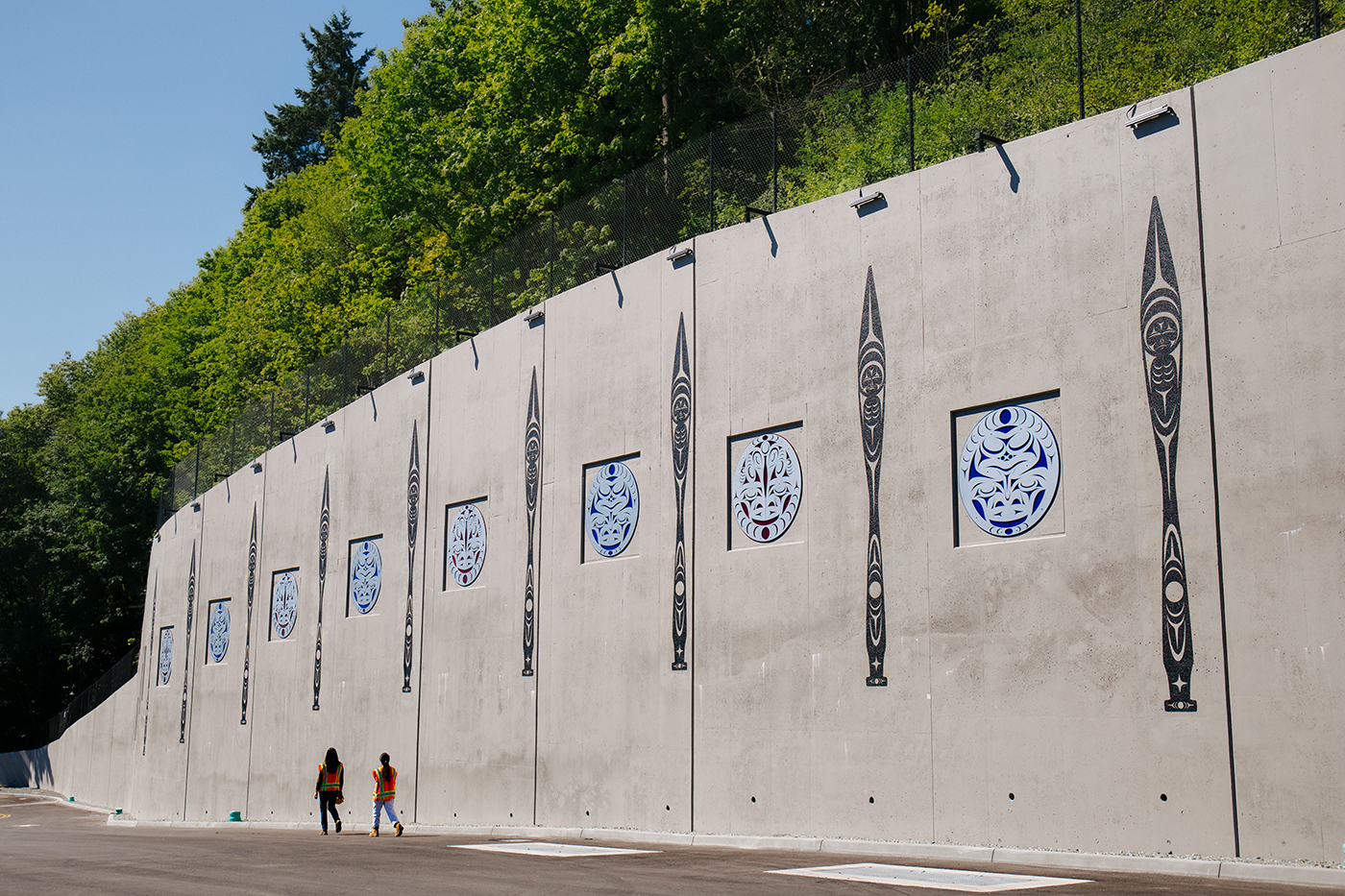
Concrete patterning and aluminum medallions for the entry retaining wall also draw from Coast Salish stories of air, land and sea, representing ancestral teachings about interconnectedness.
Speaking of connection, King County's Solid Waste Division also ran a green apprenticeship and environmental education course during the facility's construction.
The eight-week paid program provided on-the-job training and education to 15 Duwamish Infrastructure Restoration Training (DIRT) Corps trainees who helped build stormwater infrastructure, restore native plants and install the project's rainwater collection systems.
Shawna Gamache can be
reached by email or by phone
at (206) 219-6518.