 |
Subscribe / Renew |
 |
Contact Us |
| ► Subscribe to our Free Weekly Newsletter | |

Construction Bids
| home | Welcome, sign in or click here to subscribe. | login |


 print print  email to a friend email to a friend  reprints add to mydjc reprints add to mydjc |  |
November 4, 2009
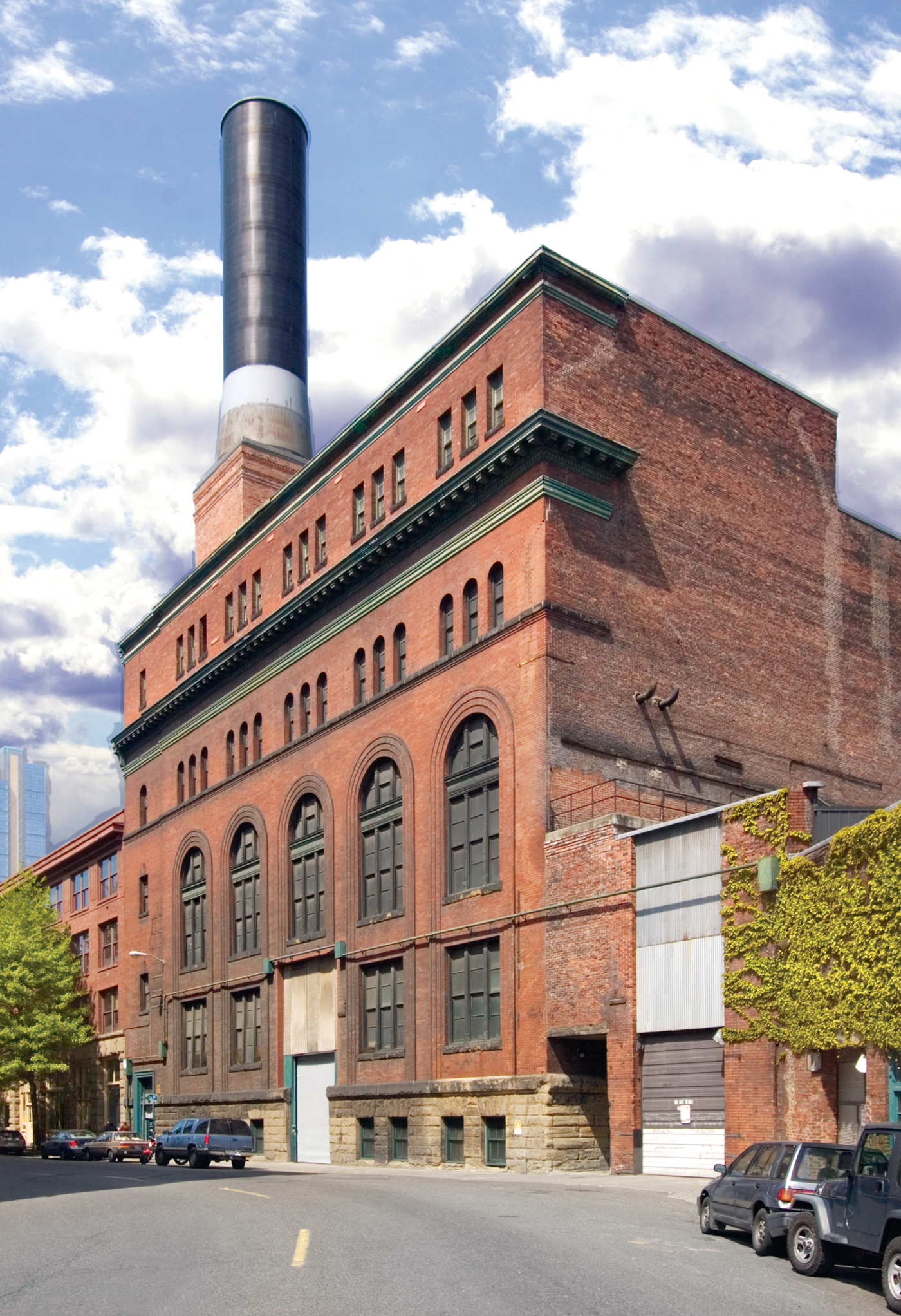
Yesterday, the U.S. Department of Energy awarded Seattle Steam up to $18.7 million from the federal stimulus to develop a combined heat and power plant at its downtown plant on Post Avenue. The total project is estimated to cost $75 million.
Stan Gent, president and CEO of Seattle Steam, said the combined heat and power plant has always been part of the company's plan, though the company expected it would not be done until 2020 or later. “I just didn't anticipate that it would be here today,” he said. “It's all a bit of a blur.”
The award was part of $155 million in federal funding that was announced for industrial energy efficiency projects. About $150 million of that will go to nine industrial projects that involve combined heat and power or district energy systems.
The Department of Energy says the industrial sector uses more than 30 percent of U.S. energy and is responsible for nearly 30 percent of U.S. carbon emissions.
Seattle Steam will partner with Puget Sound Energy on the project. The company was founded in 1893 and provides heat for about 200 buildings in downtown and on First Hill. Its plant on Post, near Columbia and Cherry, burns natural gas to create steam, which is used to heat buildings.
As a combined heat and power plant, the new system will use a natural gas-fired turbine generator to create energy, which will also create waste heat. Seattle Steam will capture that heat and use it to create steam to warm customers' buildings. Energy will move through Seattle City Light transmission lines to Puget Sound Energy, which will distribute it to customers.
Gent said the stimulus money will get the project moving. It provides guaranteed equity that allows partners like PSE to participate in the project, while allowing the team to iron out a number of issues. “It'll take the risk away from it and allow it to get developed. Otherwise it might have stayed on the sidelines.”
Gent said the technology isn't new but research and engineering are needed to figure out how to receive the maximum benefits. “These are barriers the grant will help us overcome.”
Making the transition from heat to combined heat and power will require a complete interior renovation of the 100-year-old plant and installation of new equipment and generators. The exterior of the building must also be brought up to full commercial seismic standards.
The first step is to make sure the project will work properly. Though preliminary work shows it will, Gent said there is a chance it might not work.
“The amount of engineering that has to be done is expansive,” he said. “It'll be a long and arduous project. It might take up to four years to complete.”
Engineering could take 18 months. Seattle Steam is talking with experienced companies to do the work. There will also be a number of opportunities for consultants, engineers, architects and other parties to support the transition. Seattle Steam expects to know in six to eight months whether the project will move forward.
A combined heat and power plant will reduce emissions and increase efficiency. When electricity is made today, Gent said, it is only about 40 percent efficient. The rest of the energy is lost in the transmission process. The new plant, he said, could be 70 percent efficient and produce half the carbon of the current plant.
The new plant would reduce the carbon footprint of Seattle Steam and its customers. The company had planned to reduce its carbon emissions 50 percent by 2050. But the heat and power plant, in combination with the recently installed wood-fired boiler at Seattle Steam's Western Avenue plant, will reduce the company's emissions by 80 percent below previous levels. “When this is complete, we would have achieved our carbon reduction for the year 2050 except it will be done by 2015,” Gent said.
The project will create about 225 construction jobs and 163 manufacturing jobs. It will also create five permanent skilled labor jobs.
Of the $155 million the Department of Energy announced for industrial projects, some of the money will go to groups that provide technical and financial support to the industrial sector. One group that will receive money is the Northwest Energy Efficiency Partnership. It will get up to $500,000 to support improvements in medium to large industrial facilities in Washington, Oregon, Idaho and Montana.
Energy Secretary Steven Chu said American industry needs to be more energy efficient to remain competitive globally. “Many companies already realize that improving efficiency saves money while helping the environment. These projects will make energy efficiency technologies more widely available, cutting energy use and reducing carbon pollution across the country.”
Gent said the federal government's commitment to combined heat and power plants and district energy shows it understands that such systems are the future.
“We're not spending money to spend money. We're actually changing how we do things,” he said. “There's a new clean technology era coming and this is just the beginning.”
To see who Seattle Steam's customers are or to contact them regarding the new project, visit http://www.seattlesteam.com.
Katie Zemtseff can be
reached by email or by phone
at (206) 622-8272.


