|
Subscribe / Renew |
 |
Contact Us |
| ► Subscribe to our Free Weekly Newsletter | |

Construction Bids
| home | Welcome, sign in or click here to subscribe. | login |


 print print  email to a friend email to a friend  reprints add to mydjc reprints add to mydjc |  |
January 31, 2025
As an American living in Japan, one of the best parts of being based here is the chance to visit remote places that are often overlooked by foreign travelers.
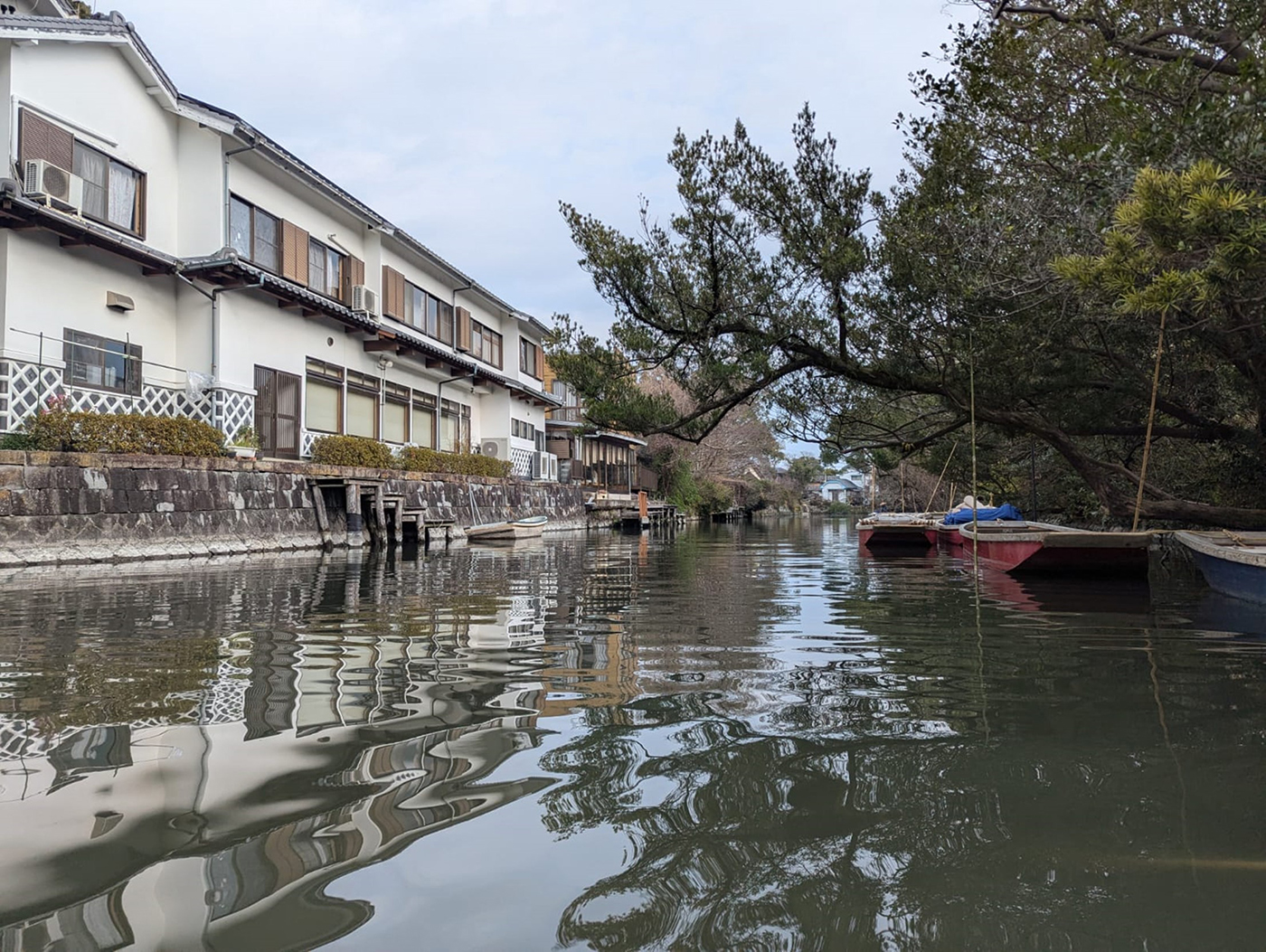
On a recent trip to Yanagawa, I had the chance to explore one of these underappreciated destinations. Established as a castle city in the 15th century, Yanagawa is a historic town in Kyushu, Japan's westernmost main island, and is famous for its nearly 300 miles of canals. These waterways once helped defend the city, but are now used for tranquil sightseeing by boat.
As I step off the train in Yanagawa, the station is so uncrowded that I have to double check that I am in the right place. Yes; despite being known as the ‘Venice of Japan' and being only an hour by train from Fukuoka, the region's largest city, Yanagawa, is free from the crowds of tourists that are unavoidable in many other Japanese towns.
My first stop is a lunch of unagi seiro, one of Yanagawa's local specialties. Unagi, or fresh water eel, is eaten throughout Japan, but each region has its own way of preparing it. In Yanagawa, unagi is marinated and steamed over rice in a wooden box, and topped with a shredded egg.
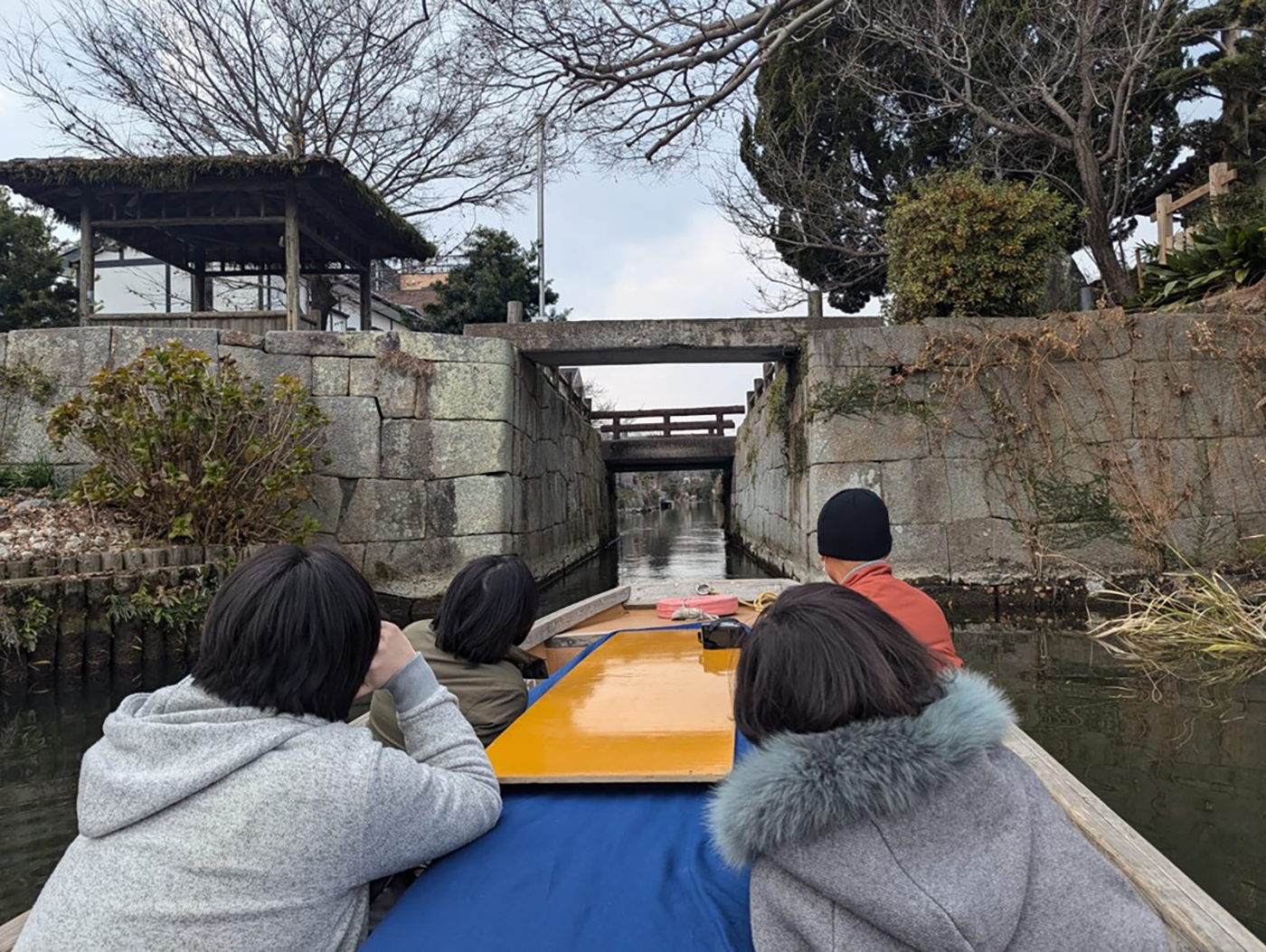
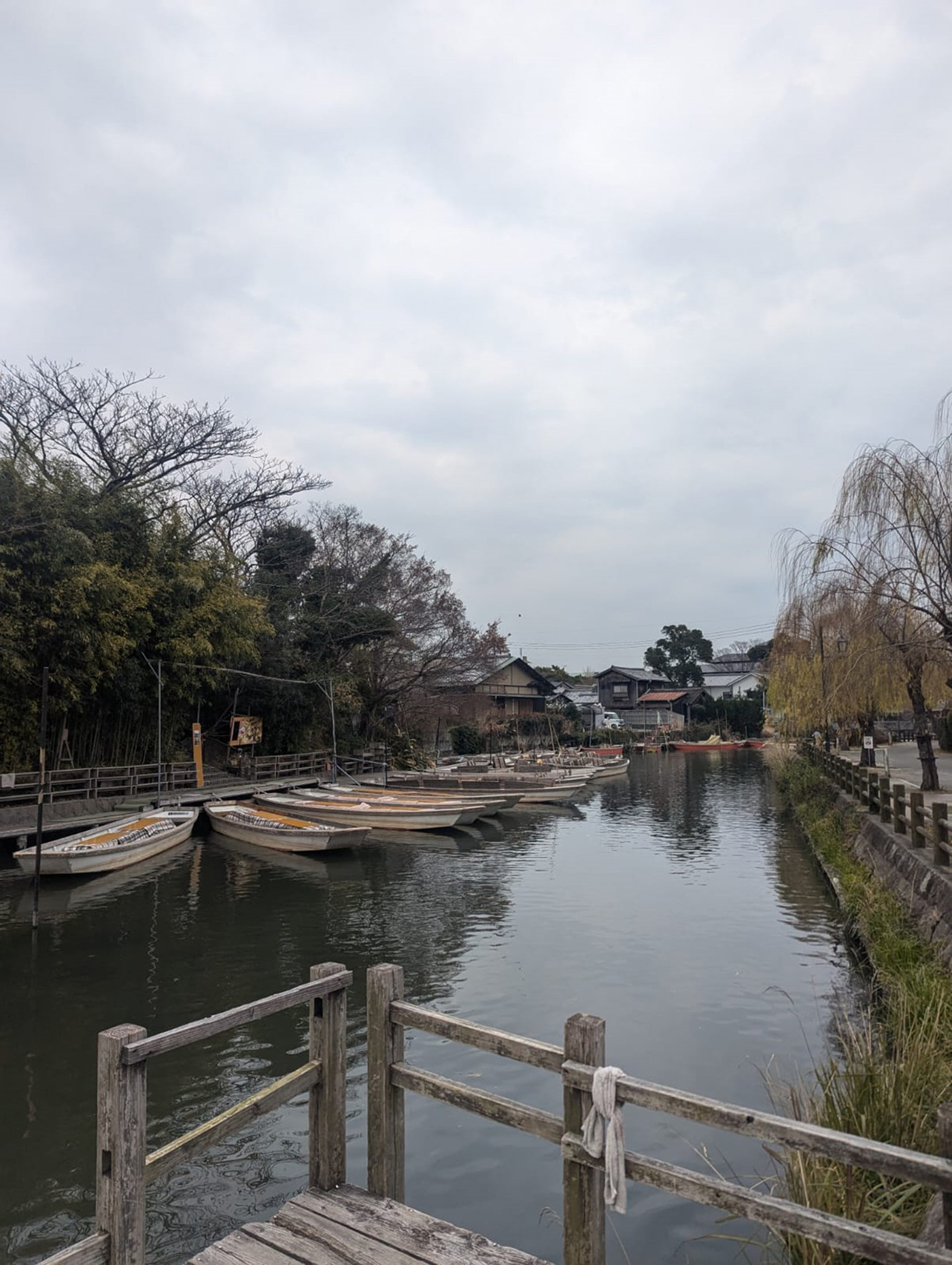
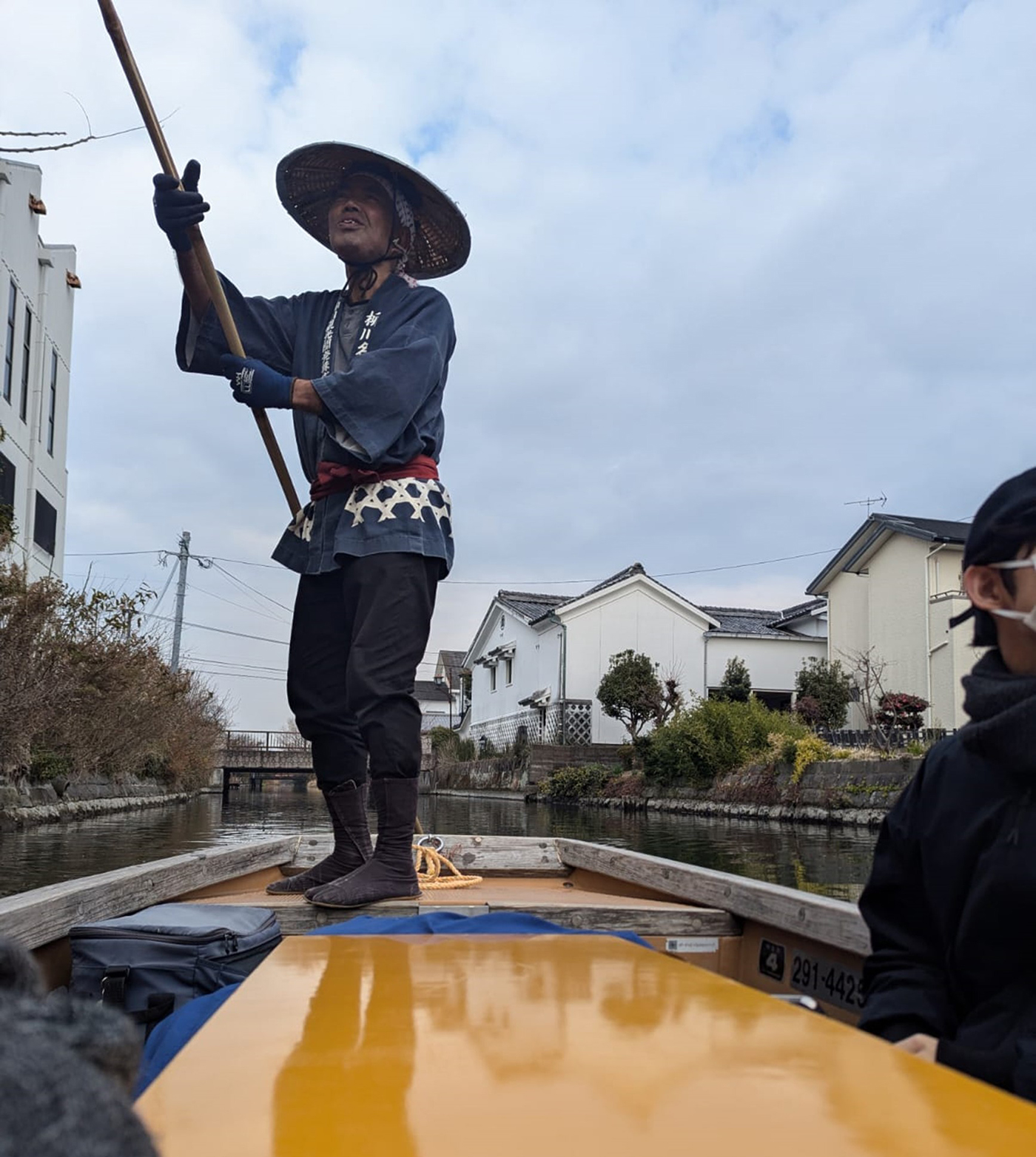
After lunch, I head over to one of Yanagawa's several docks to start a canal tour. The boats, called donkobune, are similar to Venice's gondolas, and are propelled in the same manner. The tour starts from nearby Yanagawa Station, and ends an hour later nearby the 18th century former home of the Tachibana clan, Yanagawa's feudal lords. Along the way, our guide shares with us anecdotes about Yanagawa's history. He points out former samurai houses and explains that the steps leading into the canals were used for laundry. When we go by a small soy sauce factory, he makes sure we know it is ‘not Kikkoman.'
We pass under 400-year-old bridges and beneath the low-hanging branches of trees that may be just as old. Although the canals run through mostly residential areas, there is a sense of wilderness in the unmanicured trees with blue herons perched on their branches. In between stories, our guide sings nursery rhymes by poet Kitahara Hakushu and songs by Kyu Sakamoto, both celebrated Yanagawa natives.
The tour ends nearby the Ohana residence, which was built in 1738 by the Tachibana clan. The residence is a fascinating mixture of Edo-era Japanese architecture and a western-style building that was added in the early 20th century. This combination of styles is an excellent example of Japan's Meiji-era ambitions to modernize while maintaining the country's traditions. Inside the residence and adjacent museum are countless artifacts, including samurai armor and hundreds of gold-leafed helmets that were worn by the Yanagawa domain's soldiers.
After a short walk through the historic district surrounding Ohana, my next stop is a kissaten, a type of coffeehouse that was common in the 20th century. There isn't any single thing that distinguishes a kissaten from a cafe, but it mostly comes down the former's retro atmosphere and simple menu, the kind of place that was popular before English words became ubiquitous in Japan. FM, the kissaten I happened across, opened in 1980, and seems to have barely changed since. The only other customers are two regulars, who are surprised that a foreigner has shown up, but are friendly and happy to chat.
Afterwards, I stumble upon Toraya bakery. Among the pastries is chiyoka, a local dessert consisting of red bean paste wrapped in a thin cake. Like the kissaten from earlier, this bakery looks as if it has come straight from the '80s, and makes me wonder how much longer these fragments of the Showa era can survive.
Without any particular plans, I walk back to the Ohana residence and stroll along the canals. Most of them are accessible only by boat, but there are still many that can be seen on foot. I am struck again by how uncrowded Yanagawa is. Even in the historic part of town, I barely see anyone on the streets, and the only English I've heard all day is a few words from the canal guide. The Venice of Japan may be sparsely populated, but it is a tranquil emptiness that suits this rural town.
By now it is around 7 p.m., the sun has set and, seeing how many restaurants are closed, I get the impression that the town is going to sleep. Wanting to get dinner before heading back to Fukuoka, the only restaurant I can find that's open is another unagi place. Unagi seiro again, but that is nothing to complain about.
Yanagawa depended on its canals in the past and those waterways are likely what will sustain the town going forward. With Japan in a tourism boom, I hope that more visitors will venture away from the common destinations to explore the canals of Yanagawa. And for those who do, it would be best to take the time to drop by a kissaten as well, even if it surprises the regulars.