 |
Subscribe / Renew |
 |
Contact Us |
| ► Subscribe to our Free Weekly Newsletter | |

Construction Bids
| home | Welcome, sign in or click here to subscribe. | login |


 print print  email to a friend email to a friend  reprints add to mydjc reprints add to mydjc |  |
May 19, 2026

Davis
|
Highway departments face tight budgets and staff shortages while often resorting to costly and invasive “worst-first” repairs. Concrete pavement preservation (CPP) techniques offer an alternative solution by addressing minor issues before they become larger, more expensive problems, and ultimately save billions of dollars for highway agencies.
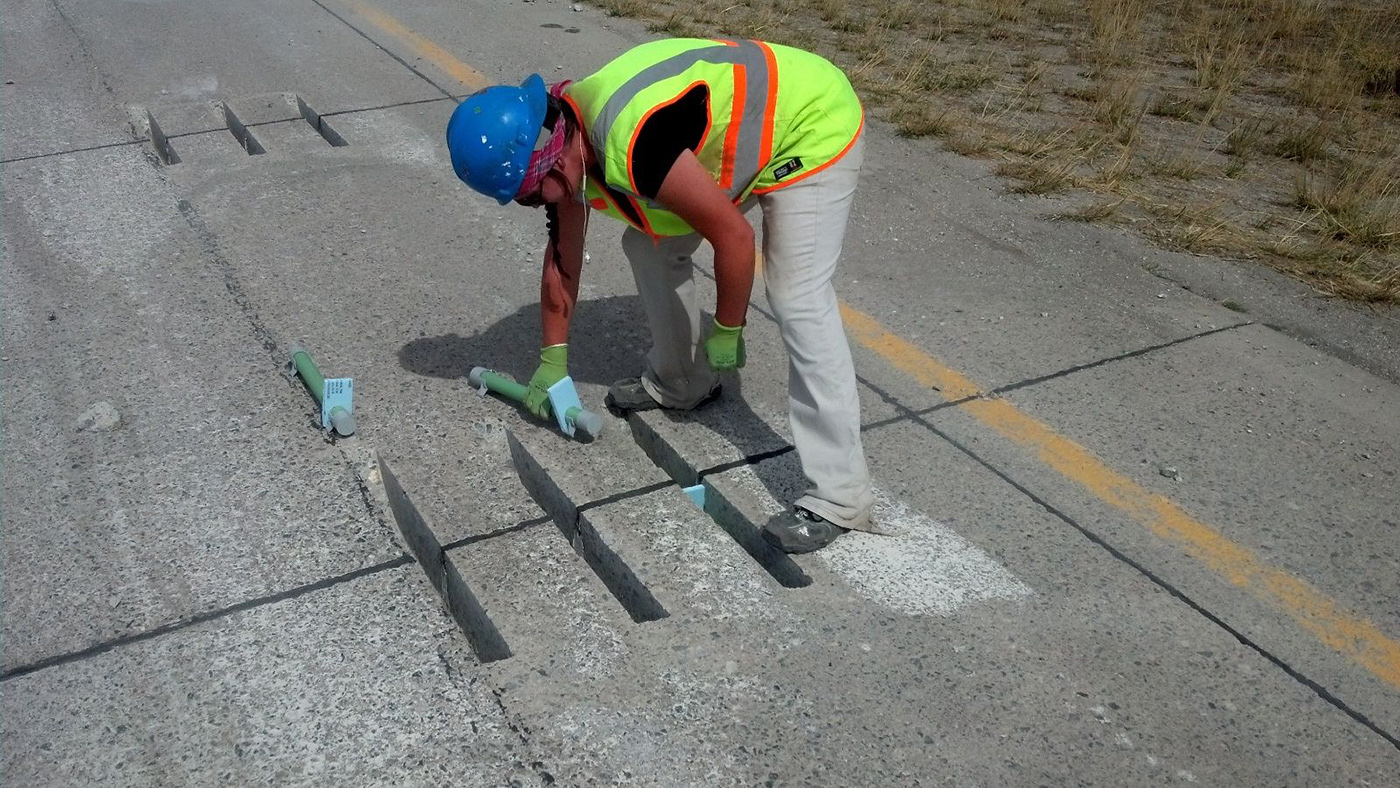
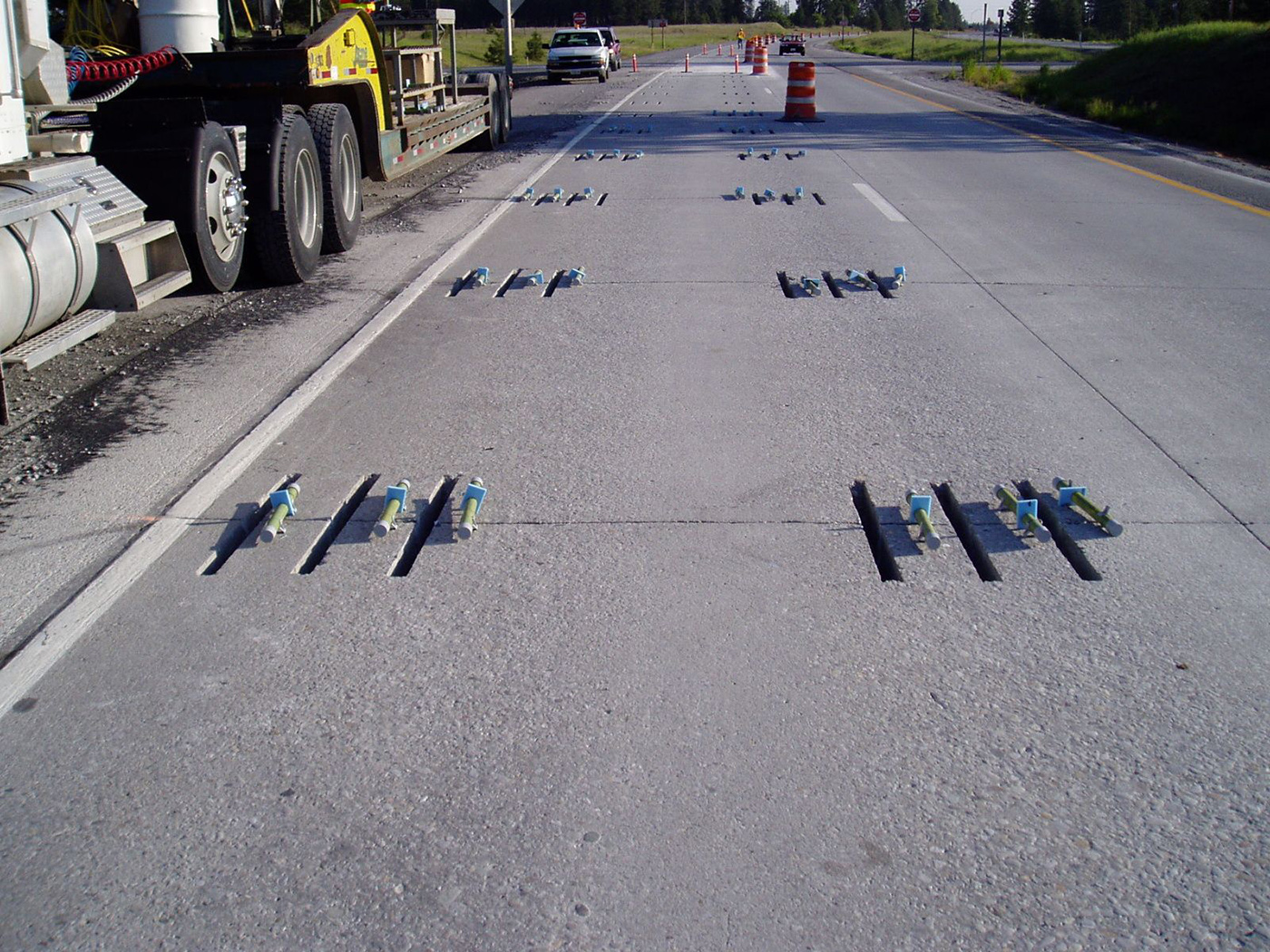
In the early 2000s, the Washington State Department of Transportation (WSDOT) pioneered the widespread adoption of one CPP technique, Dowel Bar Retrofit (DBR), restoring load transfer in aging jointed plain concrete pavement. By installing epoxy-coated dowel bars across faulted joints and following with diamond grinding, WSDOT extended pavement life by 15 to 20 years.
Early interventions like DBR cost approximately 16% less than a standard four-inch asphalt overlay. By targeting only the faulted lanes, agencies significantly reduce material costs, lane closures and expensive overhead clearance modifications. Research confirms that every one dollar spent on timely preservation can save up to 10 dollars in future reconstruction costs.
Based on findings published in 2025, WSDOT is now confronting an annual gap of nearly $1.5 billion for preservation, operations and maintenance, adding up to roughly $8 billion in unmet needs over the next 10 years. And when agencies lack sufficient funds for regular upkeep, money intended for preservation is often diverted to pavements with a high risk of failure.
A significant percentage of highway budget deficits could be avoided, however, by staying ahead of maintenance cycles. An evaluation performed by the South African National Roads Agency and the World Bank in 2024 demonstrated that three years of maintenance neglect increased maintenance costs by six times the preventative cost, while five years of neglect increased costs by up to 18 times.
The International Grooving & Grinding Association (IGGA) encourages municipal engineers to be relentlessly proactive with their pavement maintenance. This is not just a preferred option, but a necessity for good fiscal stewardship of the highway network. Multiple CPP techniques help keep roads in good repair while keeping highway ownership more affordable:
• Jointsawing and resealing prevent water, deicers and incompressible materials from infiltrating pavement structures. Such infiltration can lead to joint spalls, slab cracking and subbase degradation.
• Dowel Bar Retrofit restores load transfer across existing joints and cracks by placing steel dowel bars in slots cut across the pavement, then backfilling and sealing the repaired area. By linking adjacent slabs, DBR helps distribute wheel loads more effectively, limits differential vertical movement and reduces faulting, pumping and cracking.
• Diamond grinding is the process of using diamond saw blades to abrade a road surface, removing high spots in the road profile and leaving behind a texture that improves ride quality and remediates friction. Diamond grinding increases vehicle efficiency and improves fuel economy and has therefore been determined to be the only highway surface treatment that can be cost-saving and carbon-negative on high-volume roadways. A free online calculator (https://calculators.igga.net/registration), built by the IGGA in partnership with the Concrete Pavement Association of Minnesota (CPAM) and the Massachusetts Institute of Technology Concrete Sustainability Hub (MIT CSHub), quantifies the savings opportunity associated with improving highway ride quality.
• Patch repair removes and replaces deteriorating concrete in existing highways.
• Spray sealers offer a unique opportunity to slow concrete roadway aging and extend the life cycle of pavements at a low cost.
MIT CSHub research suggests concrete pavements should be repaired and diamond ground every 15 to 20 years to optimize financial and environmental impact. Adoption of this policy is critical, especially when state highway funds are dwindling and massive backlogs loom. Preventative concrete pavement repair provides a clear, data-driven path forward for agencies to protect their infrastructure investments and avoid costly failure.
Nick Davis, director of Technical Services at the International Grooving and Grinding Association since 2022, brings extensive expertise from his tenure at the New York State Department of Transportation and actively contributes to industry groups including the American Concrete Pavement Association, Road Profile User Group and National Concrete Consortium.
The Daily Journal of Commerce welcomes your comments.
Previous columns:


