 |
Subscribe / Renew |
 |
Contact Us |
| ► Subscribe to our Free Weekly Newsletter | |

Construction Bids
| home | Welcome, sign in or click here to subscribe. | login |


 print print  email to a friend email to a friend  reprints add to mydjc reprints add to mydjc |  |
 |
January 22, 2013
GeoEngineers
Project: Walla Walla River habitat restoration
Client: Confederated Tribes of the Umatilla Indian Reservation
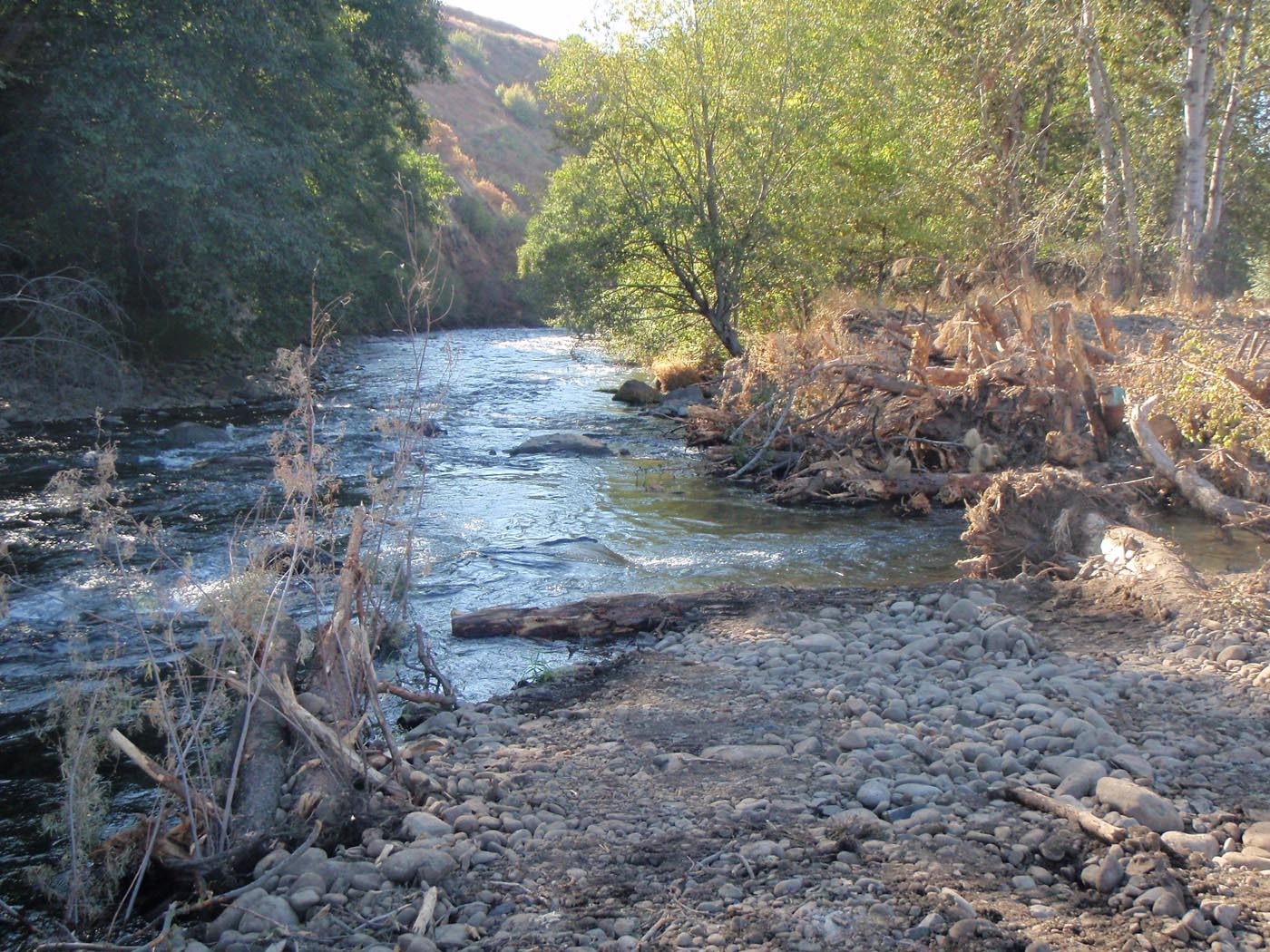
The Walla Walla River is central in the lives of the residents of Milton-Freewater, Ore., providing fish habitats, irrigation and recreational opportunities.
But the river is also prone to flooding. By 2010, the city’s levees had fallen into disrepair and the U.S. Army Corps of Engineers ruled them out of compliance. This decision effectively barred city residents and businesses from the Federal Emergency Management Agency’s flood insurance program, resulting in costly premiums that severely impacted economic development in the area.
GeoEngineers began working with the Confederated Tribes of the Umatilla Indian Reservation in 2009 to develop concepts for removing a portion of levee just upstream from Milton-Freewater and reconnecting the river with its traditional floodplain. The goal was to dramatically increase fish habitat and enhance the river’s natural ability to absorb flooding during peak flows.
GeoEngineers also met with members of the tribes, the local water control board, the Oregon Department of Fish and Wildlife and other regulators to ensure all concerns would be met and that all stakeholders would be fully supportive of the project.
The resulting project removed 2,500 linear feet of levees and increased prime juvenile-rearing habitat in the area by 600 percent. GeoEngineers also prepared a no-rise analysis that successfully documented that the design would yield a net decrease in base flood elevations throughout the project area. This pleased the local water control board and FEMA also certified the results, relieving the costly flood insurance problem for residents and businesses.
Rivers are dynamic. They rise and fall and change course and shape, often very abruptly and with incredible force. GeoEngineers designed the new habitat areas near Milton-Freewater to adapt easily to these changing conditions and to be self-sustaining, which will minimize the need for costly and disruptive repairs.
Other Stories:


