 |
Subscribe / Renew |
 |
Contact Us |
| ► Subscribe to our Free Weekly Newsletter | |

Construction Bids
| home | Welcome, sign in or click here to subscribe. | login |


 print print  email to a friend email to a friend  reprints add to mydjc reprints add to mydjc |  |
 |
April 9, 2026

deViterbo
|
The challenges shaping our world keep evolving, and design is evolving with them. From the shifting dynamics of cities and workplaces, Gensler’s Design Forecast 2026 dives into the three trends redefining how people live, work and move through their communities. So how can some of these design strategies be leveraged to help shape a more connected, resilient future for the Greater Seattle Area?
1. Experience Becomes The True Measure Of Real Estate Value
Immersive experiences such as sports-anchored lifestyle districts draw people because of the emotions they inspire and the stories they tell, not because of how big they are. Successful spaces deliver narrative connection, positive experiences and emotional transformation to earn attention.

Fresh off two electrifying victories (the Mariners clinching the American League Championship and the Seahawks bringing home the Super Bowl), Seattle is buzzing with energy and gearing up for an unforgettable summer as the world’s largest international soccer tournament ignites the city and draws thousands of locals and visitors into the heart of downtown. With global attention focused here, Seattle has a powerful opportunity to reenergize its urban core, designing destinations that spark emotion, not just foot traffic.
Now is the moment to create places where people want to linger, connect, and immerse themselves in unforgettable shared experiences. From sports-anchored districts and a revitalized waterfront to new cultural venues and experience-driven transit hubs, Seattle is crafting an urban landscape where story, atmosphere and community fuel economic momentum.
With the newly minted waterfront, Seattle is experiencing a resurgence of tourism as supported by the reported uptick month-after-month of visitor foot traffic, and Seattle’s consistent rankings as one of the best cities to visit, most notably by Travel + Leisure (included in the Most Beautiful City in the US 2025 list and ranked #8 Most Livable City in the World 2026), Conde Nast Traveler (one of the Top 10 in US), Axios (#15 World Best Cities), with Seattle hotel room bookings at 100% of pre-pandemic levels.
2. New Uses For Existing Space Types Shape A Changing Urban Blueprint
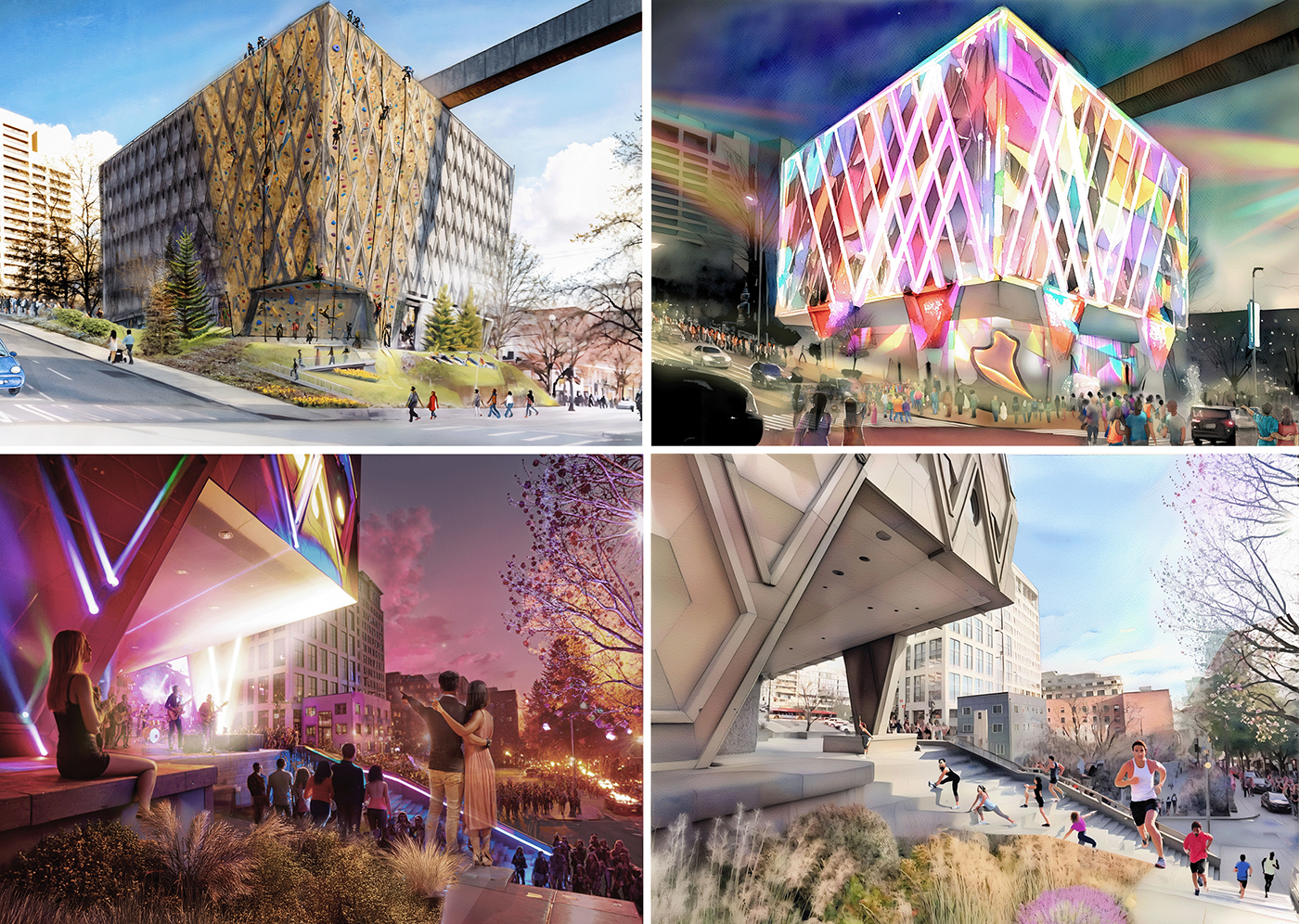
The next wave of city design blurs the boundaries between culture, commerce, infrastructure and community. Stadiums become stages for civic life, transit hubs are also exhibition spaces and entertainment venues, and retrofitted malls become universities and community hubs.
The downtown core is positioned as a place where people come together to share experiences they can’t get anywhere else. Merging culture and commerce through new public spaces, retail, and arts venues, the city not only supports downtown revitalization efforts, but also attracts increased foot traffic. This includes transforming infrastructure.
The city of Seattle and Washington state are doubling down on transit and aviation. Sound Transit is making the largest light rail investment in the US. Major light rail expansions have been designed not only to improve mobility but to support community amenities and revitalized neighborhoods.
In conjunction with this, the city is layering experiences through public art, green spaces, pedestrian corridors, and waterfront access improvements onto transit-connected zones. From ground to sky, SEA (SeaTac) is now the 12th busiest airport in the US, just above SFO, and Alaska Airlines is the 5th largest airline carrier in the US.
The vibrancy we’re witnessing across the Greater Seattle Area is ushering in an even more desirable market for corporate growth.
3. Welcome To The Next Workplace Revolution
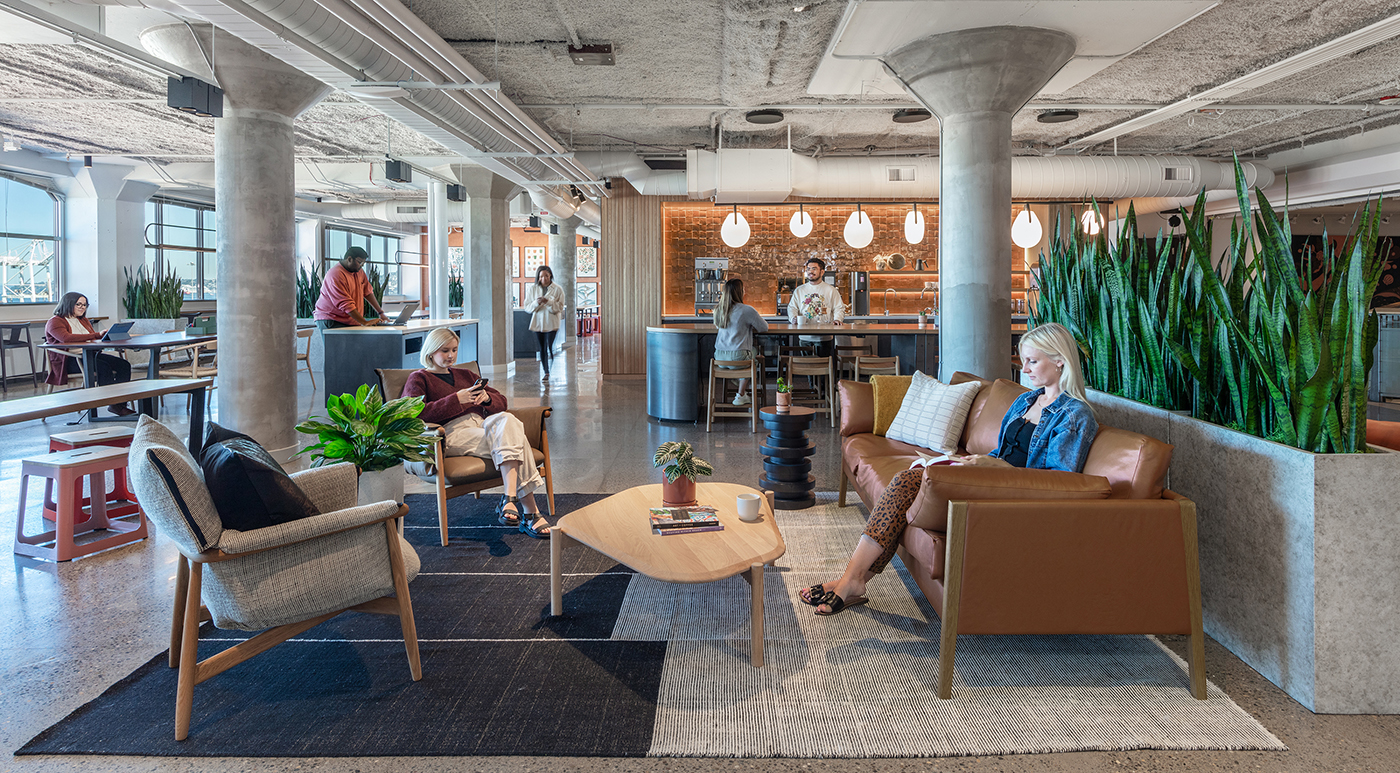
With competition for talent heating up and businesses doubling down on their national footprints, organizations are taking bolder steps to evolve their workplace interiors than at any point since the pandemic. Their goal: reconnect people with purpose and deliver daily strategic value that attracts talent, drives culture, and sparks innovation.
As the Greater Seattle Area market and the Eastside, specifically Bellevue, steadily improve, we’re seeing more optimism around overall growth. The AI boom is surging exponentially, mirroring the fast-tracked path we’ve seen across the Bay Area market, with the burgeoning development of data centers hot on its heels. The region continues to expand — projecting job and population growth through 2029 — with business developers and employers placing emphasis on spaces designed to elicit connectivity, collaboration and meaningful experiences.
Within our workplaces, today’s workforce wants more than a desk; they’re seeking an experience that supports how they live and work. Whether they’re at the office or out in the neighborhood, people gravitate toward environments that offer connection, choice, convenience, and genuine care.
Great workplaces aren’t limited by four walls. They flow into the surrounding community, tapping into local amenities and creating an ecosystem that helps people thrive. The places that truly resonate are the ones where employees feel valued, where the setting supports not just how people work, but how they live. When organizations design for people through a holistic lens, the workplace transforms into a place where people want to be, whether for collaboration, productivity, focus time, culture, mentorship or to inspire innovation.
Our research shows that the top features people value both inside and beyond the office include: cafés and great food options; team rooms that foster collaboration and collective focus; quiet, deepwork spaces; reset and recharge zones; access to outdoor areas; easy connection to mass transit; proximity to grocery stores; nearby medical and health services; and wellbeing and fitness amenities. These aren’t luxuries anymore. They’re essentials for a workplace experience that keeps people engaged, energized and supported.
Seattle is rapidly evolving into a city where culture, commerce, infrastructure and everyday life flow into one another. As the city navigates this technological and environmental transformation, these design trends can serve as a roadmap for turning complexity into opportunity. From reimagined workplaces to resilient urban frameworks, they offer practical insights to help organizations design environments that thrive amid change and define the next era of human-centered innovation.
A recent transplant from Gensler’s San Francisco office, Bert deViterbo now drives the vision of Gensler Seattle as managing director, with more than 20 years of leadership and technical design expertise.
Other Stories:


