 |
Subscribe / Renew |
 |
Contact Us |
| ► Subscribe to our Free Weekly Newsletter | |

Construction Bids
| home | Welcome, sign in or click here to subscribe. | login |


 print print  email to a friend email to a friend  reprints add to mydjc reprints add to mydjc |  |
 |
June 27, 2024

Major
|
So, here’s the thing about play dates — everyone wants one on their calendar whether they’re toddlers, teens or trying to figure out when their age meant mysterious knee pain. Play is essential. The why of play is spiritual, scientific, and with the right framing, even poetic.
In a uniquely mammalian context, play is integral to our learning and intelligence processes as humans. Not only does our evolution rely on play but it is one of the modalities through which we are taught to observe, feel, experiment and take risks. Which leads me to the thought, where do we access play and who gets to?
Is freedom a place? And which map is it pinned on?
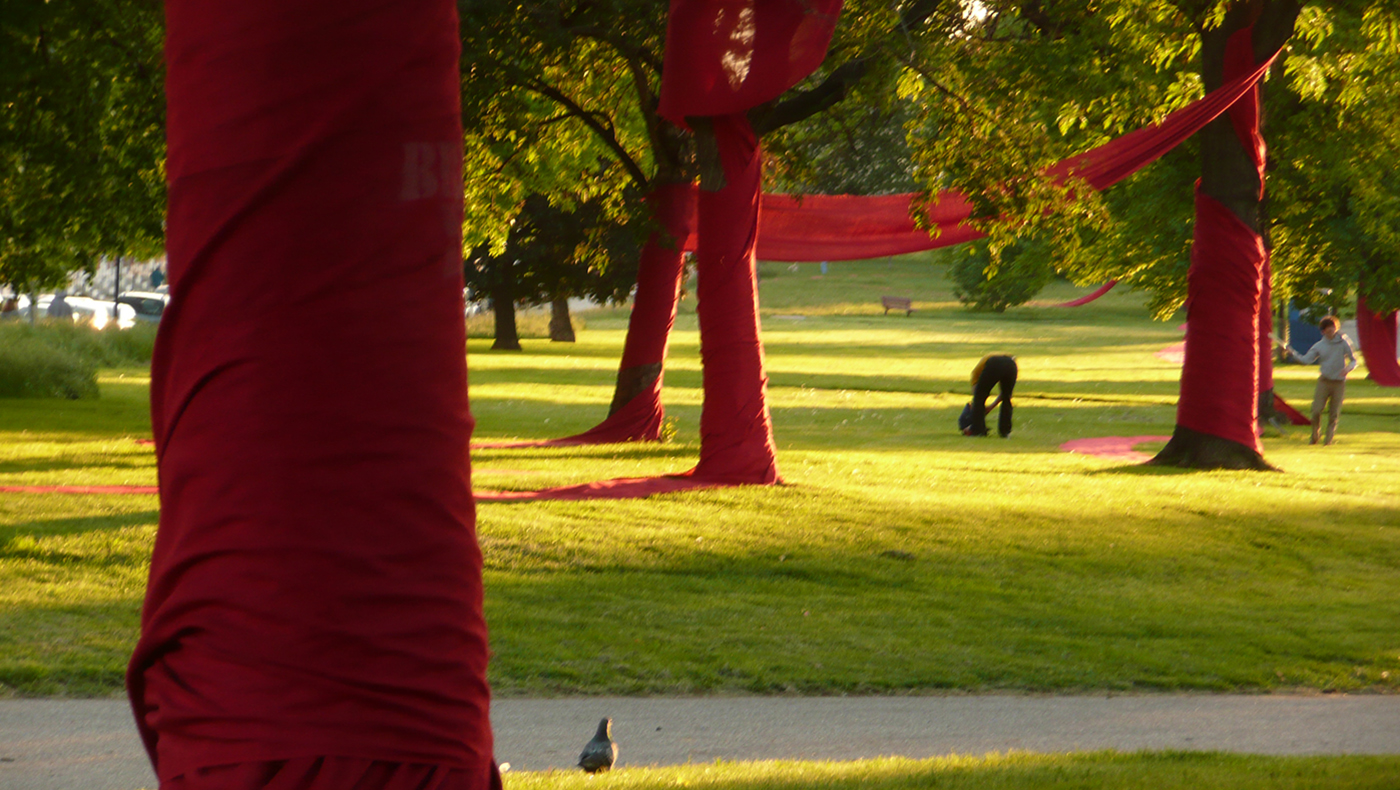
If we were to take an inventory, how many places would we identify as spaces of fun? Further, how many would fall into the low or no-cost realm? Blame it on professional or even proximity bias, but parks and play are infrastructure. Our nation’s, even our city’s parks, green and open spaces, both wild and pedestrian, must be prescribed and protected if we are going to open access, keep it varied, and welcome everyone.
For designers then, tapping into and decoding what the public is asking for will help us in navigating and creating the spaces that support desires and any economic station one might find themselves in. Place-keeping is as much physical as it is phenomenological and experiential.
|
Matt Urbanski, in his TEDx talk, reminds us of the crisis of overprotection, and the cure, as he proposes, is rooted in discovering the missing experiences within a society. The re-insertion of risk to help us move towards socialization, creativity and self-determination is our best tool. Play is the right dose of risk. Any good park or playground would learn then through risk, just like nature gathers information through trial, error and feedback, so can we as a community.
Parks at their more strategically infused magnitude have invigorated cities and at wildland scale have served as the backdrop to our outdoor memories and conservation desires. For as much fun and respite as they bring, parks, the umbrella term, have had numerous resurgences and rebrandings. I have to ask though, why does anything as meaningful and essential as the horizontal space in which we learn or expand our lives demand so much advocacy to insert, maintain and protect itself? Maybe the way out of this repeating cycle is through?
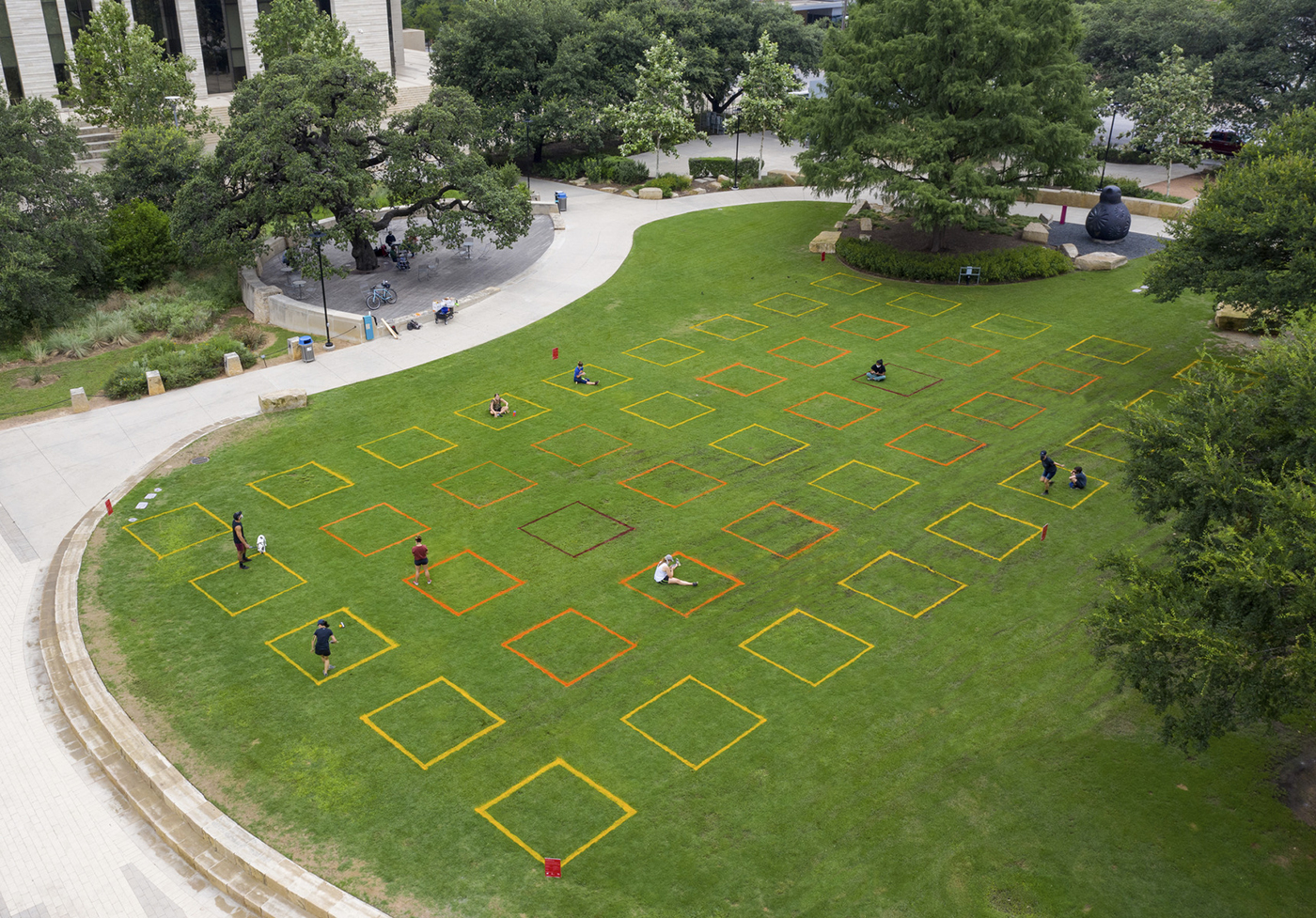
Through design and through experiences and through feedback, we can accept that the case for play has already been made many times over. If freedom and innovation are cornerstones for any community, play is at the core of that. We can be free through play.
Gensler Research Institute recently garnered insights from its 2023 Consumer Experience study (report release slated for later in 2024). The work surfaces that amongst other things like the quality-of-service, choice, agency, and fun are a critical part in how we are making our decisions today. As many of us have seen broadly, and within ourselves, decision-making looks a bit different these days as we rebound from the pandemic’s isolation, limitations in options and economic shifts. Today, we can be reluctant and hesitant when deciding how we spend our dollars in these recovery times. A few things help motivate us to separate from our resources and are also reflected in how we measure satisfaction including alignment with companies and missions, or repeat experiences rooted in fun or play. The idea of choice and agency is nothing new in an industrious context like America, but it isn’t enough to see those values in work and hustle, we need to see them prevalent in how we play as well.
|
I heard it mentioned once that “God can do so much more with surrender than you can with control.” For the less or differently religious or spiritual, similar parallels can be drawn to nature and what we can achieve when we surrender to the lessons of the environment without fear.
Fear has discolored some of our other moments of surrender but staying in this place of overprotection cannot be any better. We see leaps in childhood development, we see a restoration and healing in the bodies and rhythms of many in nature, through play and through experience. The amenities we wanted before don’t hold the same value as moving experiences, and various local or regional opportunities do. We have proven we are even willing to travel or pilgrimage to the right nature-based experience — think about the eclipse, northern lights, salmon season, or first winter sport runs. The designer, the city builder, or the ruralist can find common ground in freedom and in play. It is time to create more equitable design experiences that are equally as meaningful for all — inside and outside.
Freedom is a place and place-held. A future where we lose count in the mass of pins on the map is possible, and nature-based experiences will be accessible to all if we take a bit of risk.
Jescelle Major is a strategist, change management specialist and researcher at Gensler, as well as an assistant teaching professor in Landscape Architecture, Urban and Environmental Design at Arizona State University.
Other Stories:


