 |
Subscribe / Renew |
 |
Contact Us |
| ► Subscribe to our Free Weekly Newsletter | |

Construction Bids
| home | Welcome, sign in or click here to subscribe. | login |


 print print  email to a friend email to a friend  reprints add to mydjc reprints add to mydjc |  |
 |
October 14, 2024

Pratt
|
Imagine your only workplace restroom option was a porta-potty, and you had to share it with dozens or hundreds of colleagues. Would you want to use it?
If you’re a construction worker, this is likely your only option.
While construction workers across America still use portable chemical toilets on-site, progressive companies are moving toward providing modern temporary bathrooms with power, running water, toilets and sinks.
Due to insufficient utilities, space, or budget constraints, construction companies often provide their field workforce with chemical portable toilets. However, these facilities barely meet sanitation standards. Extreme hot and cold temperatures make them uncomfortable to use, and they quickly degrade as they’re exposed to the environment and abused by users. They also create divisions between craft and admin employees who can access better, more hygienic facilities.
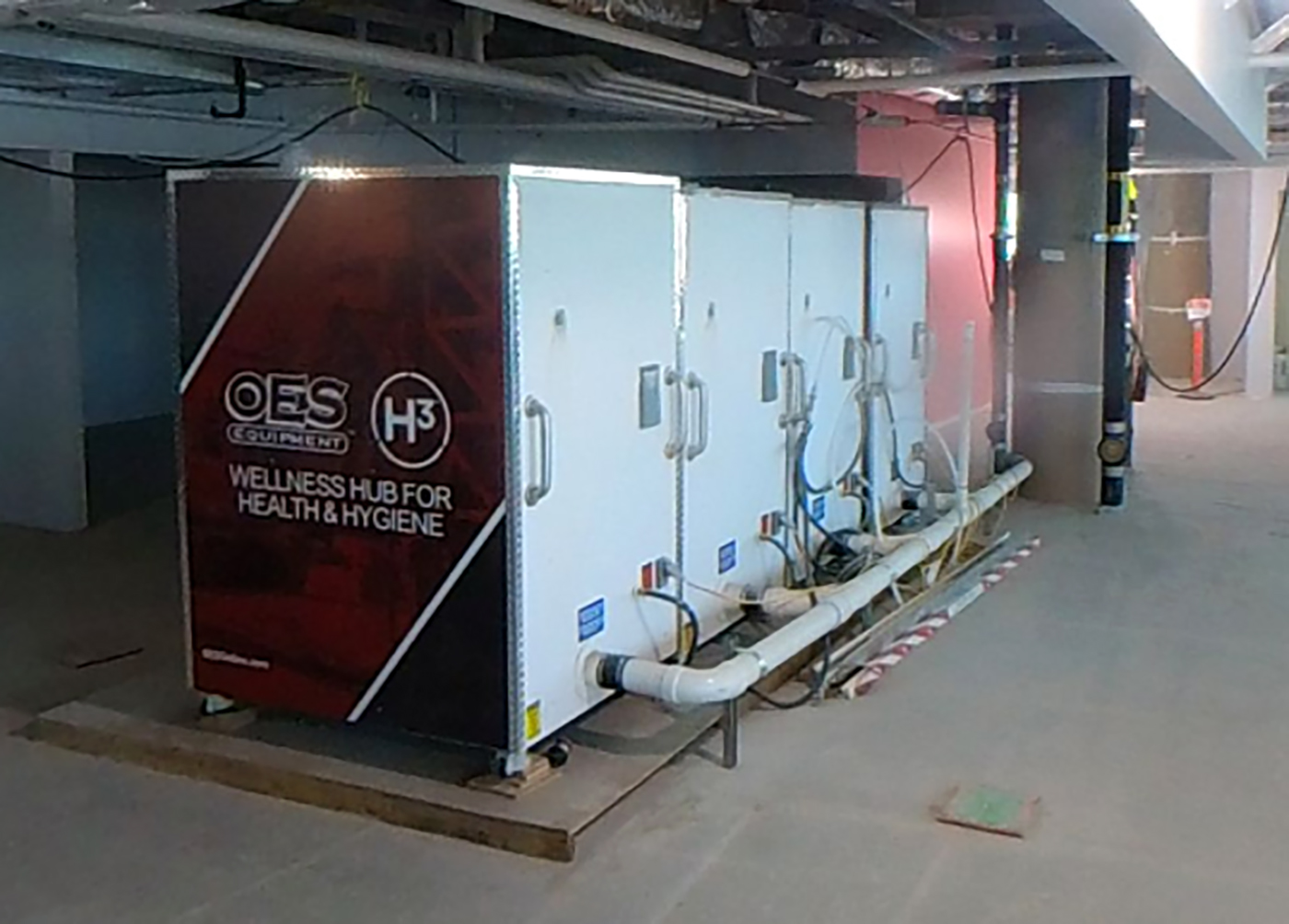
Modern temporary bathrooms provide noticeable improvements in sanitation and hygiene. They also help build equity between craft and admin employees, improve morale, and make construction sites a more inclusive and enjoyable environment to work in.
Each is crucial as the construction industry grapples with a workforce shortage.
If you’ve been to an outdoor wedding or concert or flown on a plane, you’re likely already familiar with temporary bathrooms. In addition to an actual toilet, they have heating and cooling capabilities, flush waste away, and provide built-in handwashing capabilities — basics for the office or remote workers, but considered luxurious on-site.
While the switch to temporary bathrooms is relatively new in the United States, our counterparts in Canada were early adopters. In 2015, the Quebec government approved a new rule requiring construction sites with more than 25 workers to install heated washrooms with running water. This year, the British Columbia Ministry of Labour extended these requirements to projects within their province.
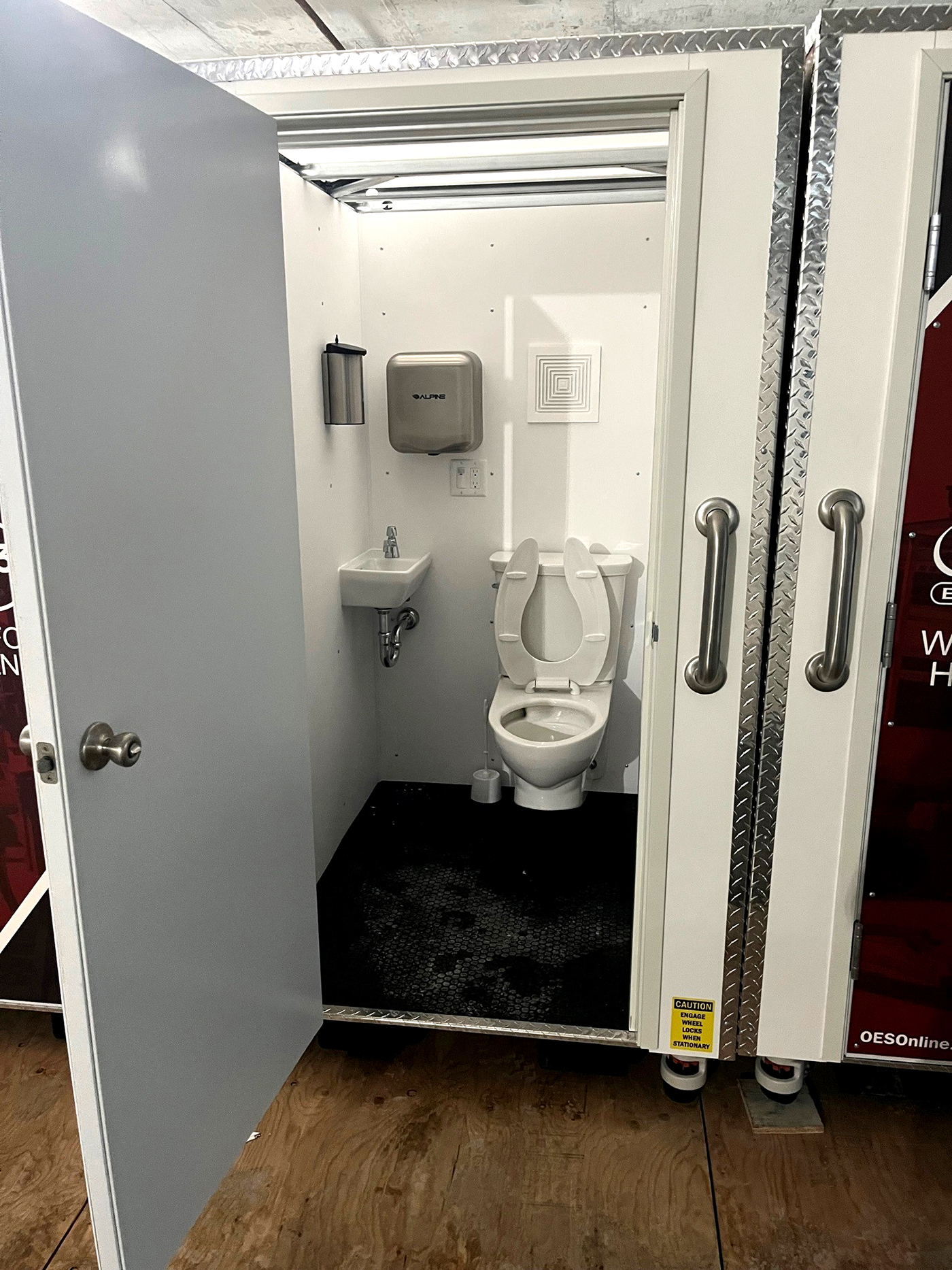
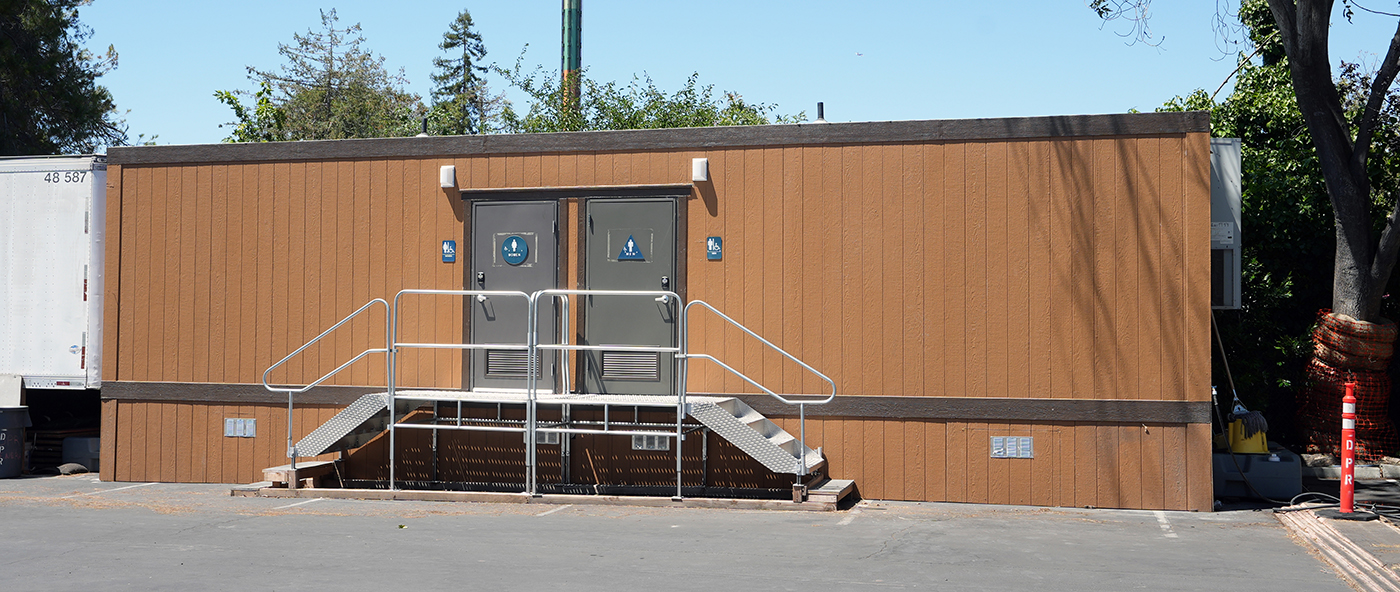
DPR Construction began evaluating the transition in 2021. At our Southline project in South San Francisco, the team learned that renting temporary bathroom facilities and connecting them to existing utilities was similar in cost to renting and servicing portable chemical toilets. The return on this investment is improved hygiene and sanitation, increased morale and enhanced safety.
I spoke with Jack Poindexter, DPR’s Northwest Region Leader, who shared that while touring the Southline project, our craft team members repeatedly commented on how great it was to have access to these facilities. “You could feel their pride — they want to work here.”
These results and reactions from the craft workforce spurred other projects to switch to temporary bathrooms. With repeated successes, DPR mandated that all construction projects in its Northwest region (California Bay Area to Seattle) provide fully functional temporary restroom facilities at all job sites regardless of workforce size.
DPR made this decision because we feel it’s the right thing to do. My colleague, Pacific Northwest Business Unit Leader Andy Hill, shared, “It’s about dignity. Providing craft and on-site workers with the same facilities as admin employees shows them that we care about them and that their well-being matters.”
Northwest region leader Poindexter echoed those sentiments. “We want everyone entering our job sites to feel valued, feel a sense of belonging, and be psychologically safe,” said Poindexter. “We believe that by taking a step forward in improving jobsite working conditions, we can provide for our craft and help heighten their sense of belonging and instill a greater sense of pride in their work.”
For years, the construction industry has sought to recruit and include more women in our industry but has never provided facilities and resources that meet their needs. The lack of operable toilets is a significant obstacle for women interested in construction. The new bathroom facilities are already helping solve this problem and creating an environment where women are comfortable working.
My colleague Megan Pifer, Self Perform Work project manager, said it best: “As a woman in construction, bathroom options are important. Knowing that there is a clean and comfortable environment meant just for women makes us feel valued and included.”
On the project I led, we installed new bathrooms on every other floor of the 11-story tower, which increased efficiency by eliminating trips to the ground floor. But, more importantly, we found that once installed, they immediately broke down the barriers between the craft and admin women on the jobsite.
One example occurred during Women in Construction Week. Some of our female team members used the private space to leave each other affirmations and encouragement. We wouldn’t have done this in the previous bathrooms; we just wanted to get out of there. Remarkably, what were once places of graffiti are now places of respect and support.
Another example of inclusion, and often overlooked, is that the portable restrooms provide religious employees with a space to prepare for their daily prayers. Before praying, followers of the Muslim faith are required to wash themselves of minor impurities in a specific order. When water isn’t present, they can symbolically “cleanse” their hands and face.
This is easy if you’re based in an office but challenging on-site. The new restrooms alleviate the stress of finding a private or offsite place to complete their ritual washing and proceed with their daily prayers.
Unsurprisingly, the new temporary bathrooms are a hit with everyone working on-site and for previously reluctant visitors.
Aside from the apparent benefits to productivity and quality of life, we are confident that adopting these new restrooms will continue to improve morale while simultaneously creating a more just, equitable and inclusive environment on-site.
Construction is often perceived as being behind the times. I think that’s unfair. While on-site, I see people using technology like robots and tablets to facilitate new construction approaches, such as new forms of prefabrication, virtual design and construction and more. We’re not in the same industry as a generation ago.
It’s past time to provide skilled workers in the field with dignified bathroom facilities. It’s the right thing to do, and it shows that construction is an industry where everyone is valued and belongs.
Kelly Pratt is a project executive with DPR Construction and focuses on Life Science projects in the Seattle area.
Other Stories:


