 |
Subscribe / Renew |
 |
Contact Us |
| ► Subscribe to our Free Weekly Newsletter | |

Construction Bids
| home | Welcome, sign in or click here to subscribe. | login |


 print print  email to a friend email to a friend  reprints add to mydjc reprints add to mydjc |  |
 |
June 10, 2025

|
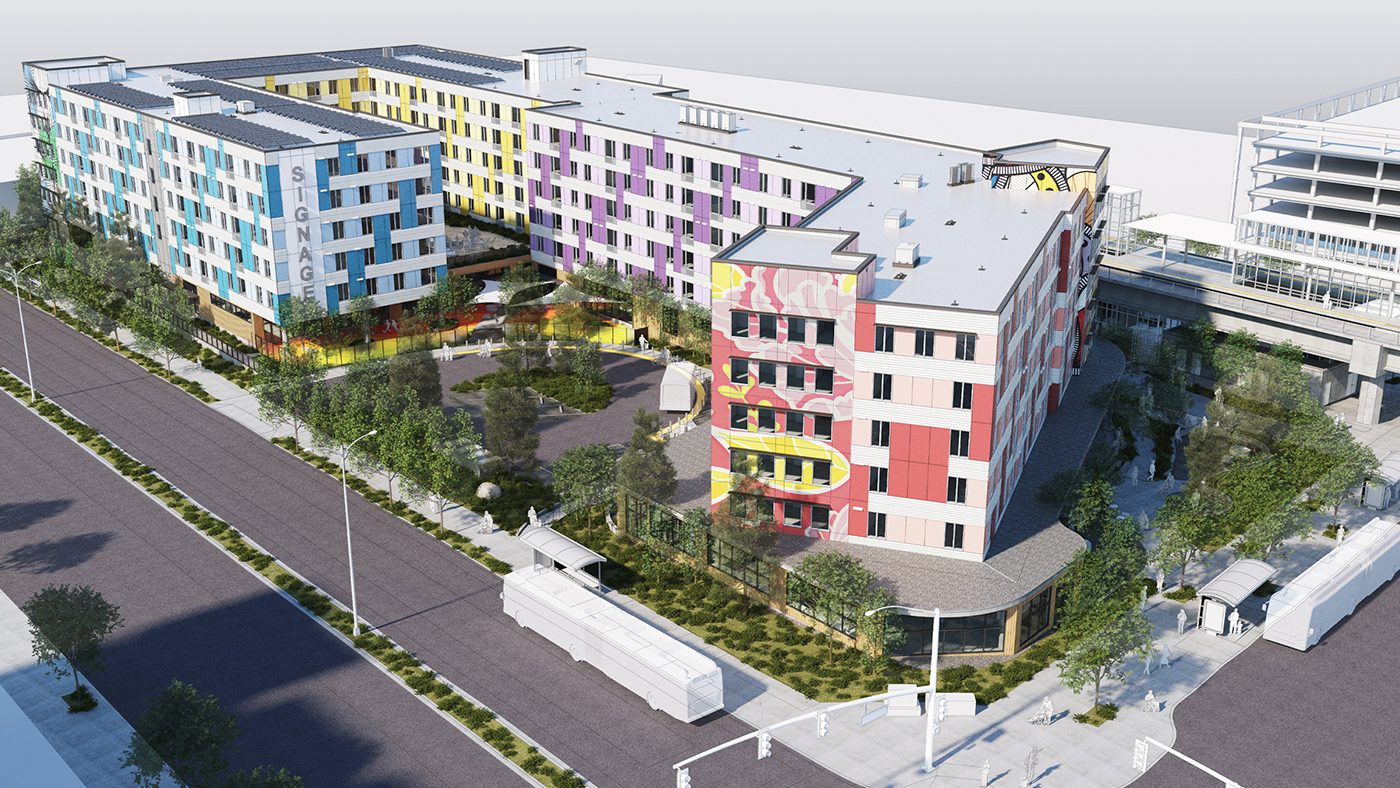
The Multicultural Village (MCV) is a comprehensive community hub designed not just for housing, but for fostering connections, access to resources, and creating economic opportunities. Initiated by Open Doors for Multicultural Families (ODMF) in partnership with Mercy Housing Northwest (MHNW), the development will provide 233 homes, all 100% affordable, making a significant contribution to the region’s housing supply.
At the heart of this vision are two floors of community services to support and reflect the community. ODMF will operate a 22,000-square-foot Family Resource Center (FRC) and a 10,000-square-foot inclusive Early Learning Center (ELC) that will provide high-quality, affordable childcare, and early childhood education.
The Multicultural Village is more than just an affordable housing project - it is a vision for what inclusive and community-centered equitable transit-oriented development (eTOD) can look like when deeply rooted in the needs of the people it aims to serve.
A FOCUS ON SERVICES AND COMMUNITY
The FRC will serve as a vital lifeline for local families, many of whom are immigrants and refugees, offering culturally and linguistically responsive services ranging from case management, and mental health support, to legal advocacy and education support.
The ELC will provide high-quality, affordable childcare and early education in an inclusive environment where children of all abilities learn together. This pedagogy, developed at the University of Washington Haring Center, nurtures empathy and emotional intelligence from an early age. Working families often face a shortage of accessible childcare options that align with their cultural and linguistic needs — invaluable for fostering long-term community stability and helping families thrive.
Strategically located next to the future Kent Des Moines (KDM) Sound Transit light rail station, MCV is designed to fulfill the promise of public transit for broad social impact. In addition to being 100% affordable (serving families earning between 30%-60% of the area’s median income), over half of the apartments will have two, three, or four bedrooms, aiming to provide much-needed family-sized housing close to transit.
The project is intentionally crafted to be accessible and inclusive for people of all abilities. While 20 percent of the homes are specifically tailored for individuals with intellectual and development disabilities (IDD), the entire community will benefit from design elements that promote ease of use, mobility and integration.
These accessible features, embedded throughout the development and exceeding code minimums, foster a supportive, community-oriented living environment where residents of all abilities and cultural backgrounds can thrive. Onsite resident services offered by ODMF and MHNW will focus on supporting all members of the family with programming that promotes housing and educational success, health and wellness, and economic empowerment.
A 4,000-square-foot food hall on the ground floor, operated by Project Feast, will support immigrant entrepreneurs by providing opportunities to gain employment and incubate food-related businesses. This effort fosters a neighborhood micro-economy reflective of the area’s cultural diversity, contributing to economic development, vibrant street life and community pride. The focus is on representation, opportunity and belonging — not just profit.
A PLACE WHERE EVERYONE BELONGS
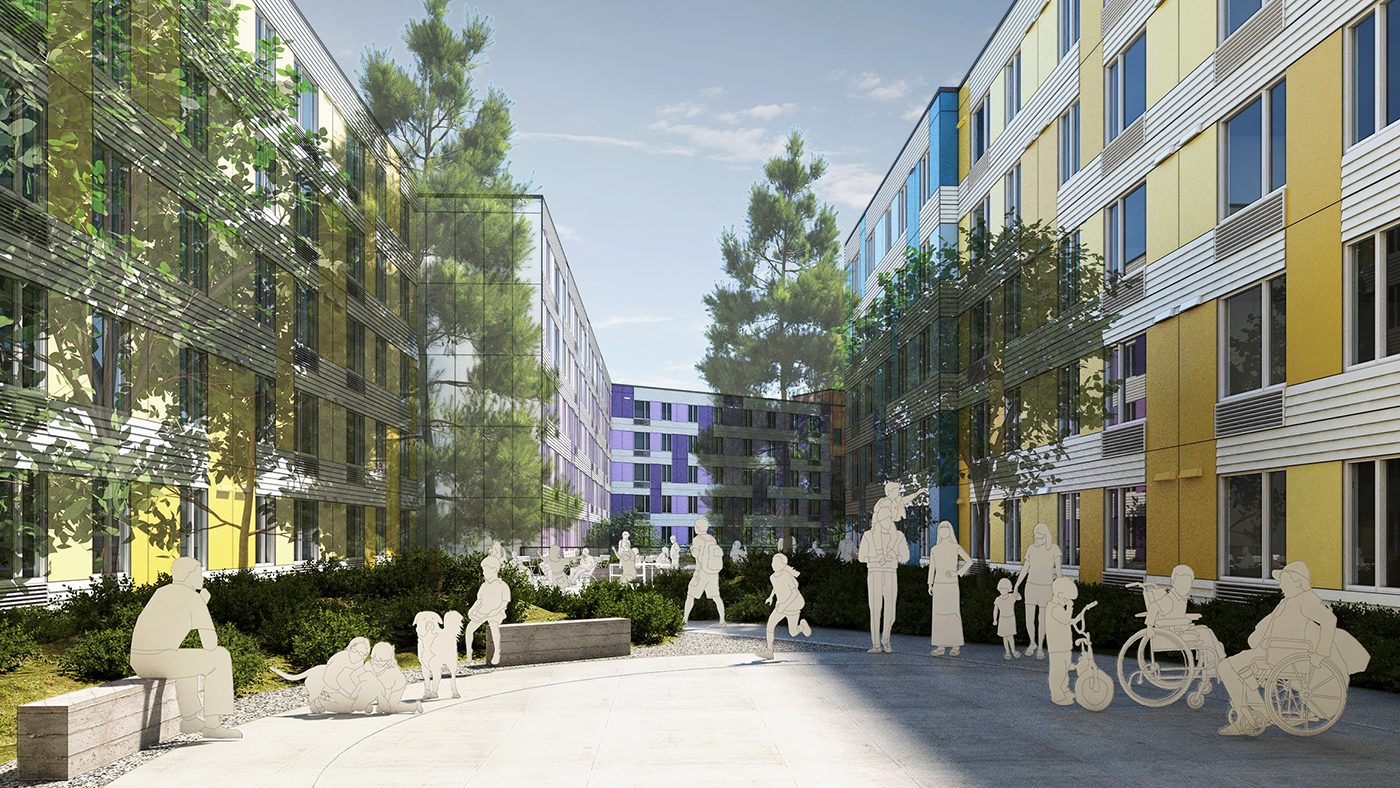
An early aspiration of ODMF was that the building design would reflect and honor the history of the land it occupies. Collaborating with Headwater Peoples, an Indigenous consulting firm, design decisions were made to ensure that all residents have access to exterior natural views by thoughtfully positioning common amenity windows to frame and celebrate the natural beauty of the region.
This includes sightlines to the sacred Mount Tahoma, the waters of the Salish Sea and the nearby Duwamish River Valley. Residents become aware of the greater regional context, one that is deeply rooted in cultural respect and an understanding of life and livelihood supported by the environment.
The architecture of MCV seeks to honor the identities of those who will live and work here by integrating Indigenous and multicultural motifs into exterior building facades, interior design, wayfinding and an arts program.
Multiculturalism is an all-pervasive and immersive visual message experienced in the ethnobotany of the landscape, and throughout MCV. This is a place where everyone belongs. By weaving cultural symbolism into the physical environment, the project moves beyond mere accommodation to celebrate the richness of community identity.
CENTERING EQUITY, ACCESS AND INCLUSIVITY
Elevating cultural identity at MCV makes significant progress toward the principles of Equitable Transit-Oriented Development. Traditional TOD is an economic development approach, with a focus on residential density and proximity to transit to increase land value and attract private investment. In contract, eTOD centers equity, access and inclusivity.
By leveraging the public investment of Sound Transit, MCV exemplifies this paradigm shift. Affordability ensures that historically underserved populations are not priced out of living near the very infrastructure that increases mobility and access to opportunity. eTOD also reflects a broader movement in urban planning that acknowledges the intersectionality of housing, health, transportation, and economic opportunity. The location next to the KDM Light Rail Station ensures that residents will have reliable, car-free access to regional job centers, educational institutions, and essential services for low-income families and people with disabilities.
As cities throughout the Puget Sound region face the pressures of urban growth, displacement and inequality, Multicultural Village stands as a testament to what is possible when development is rooted in community leadership.
This grassroots project emerged from the vision, advocacy and hard work of the community. Open Doors for Multicultural Families and Mercy Housing Northwest are bringing this vision to life with steadfast support from State Representative Tina Orwall, the late Speaker of the House Frank Chopp, King County Councilmember Dave Upthegrove, and many other dedicated partners. Their collective efforts ensure that MCV will become more than just a multifamily development — it is a model of how transit-oriented projects can center equity, cultural preservation and community resilience.
Construction is anticipated to start in late 2025.
Astrid Huang is a marketing coordinator at Schemata Workshop, where she coordinates proposals and leads branding and engagement that showcase the firm’s architectural work and vision.
Other Stories:


