 |
Subscribe / Renew |
 |
Contact Us |
| ► Subscribe to our Free Weekly Newsletter | |

Construction Bids
| home | Welcome, sign in or click here to subscribe. | login |


 print print  email to a friend email to a friend  reprints add to mydjc reprints add to mydjc |  |
 |
July 30, 2026

Cameron
|
Pushing a large-scale public project through has its challenges. Design and construction logistics aside, no official green light can occur without the right people on your side.
That often means reaching audiences at all levels of the local community, from families to business leaders to government representatives. Achieving alignment across these groups is key to earning the necessary acceptance, approvals and/or votes your project needs to move ahead — getting there requires a clear and effective communications strategy.
THE NEED FOR PUBLIC OUTREACH
The COVID-19 pandemic ushered in a new era of distrust in government institutions and their policies — thanks to a constant barrage of skepticism and criticism from the 24-hour-a-day social media cycle and online vigilante journalism. Now, with the AI revolution pushing the need for data centers (which have come under major scrutiny), people have never been more concerned with how public infrastructure projects are developed.
However, by providing transparent communications when it comes to budgets, timelines, and outcomes, public project leaders can minimize surprises among community stakeholders and reduce the number of high-profile show downs we have seen happening across the country.
It is important to build trust every step of the way. And the fact is, community members need to see the decision-making process, and they need to play a role. This allows project managers to make choices based on the realities on the ground, while ensuring local buy-in.
ENGAGEMENT STRATEGIES: GETTING ATTENTION
An important concept when creating a communication strategy is meeting people where they are — don’t expect the right demographics to seek you out. Instead, it is your job to show up where it matters, online and off.
And since public works are usually designed with something for everyone, it is critical to ensure your messaging is just as diverse as the community itself. That includes incorporating multilingual and multicultural outreach, which sometimes requires working with trusted community partners who are tapped into those demographics.
Moreover, aligning with relevant advocacy groups can be a great way to connect directly with large swaths of the local population, and reach them where they are, so they do not have to seek out project information in their limited free time.
It is also necessary to cut through the clutter by creating clear, eye-catching collateral that answers the public’s questions and resonates with their point of view. That means relying on our digital landscape (where people are increasingly spending their time) and including targeted ads on social media and direct text messaging.
Plain, accessible, consistent, and easily understood language is always best when communicating the benefits of projects and programs.
EDUCATING WITH FACTS
Oftentimes the barrier to getting well-intentioned projects off the ground is either misinformation or a lack of information. Communities need to understand the benefits —or payoff for the greater good — that will ultimately balance out any tax or fund allocation considerations, or construction-related nuisances. And now more than ever, communities are concerned about potential environmental impacts.
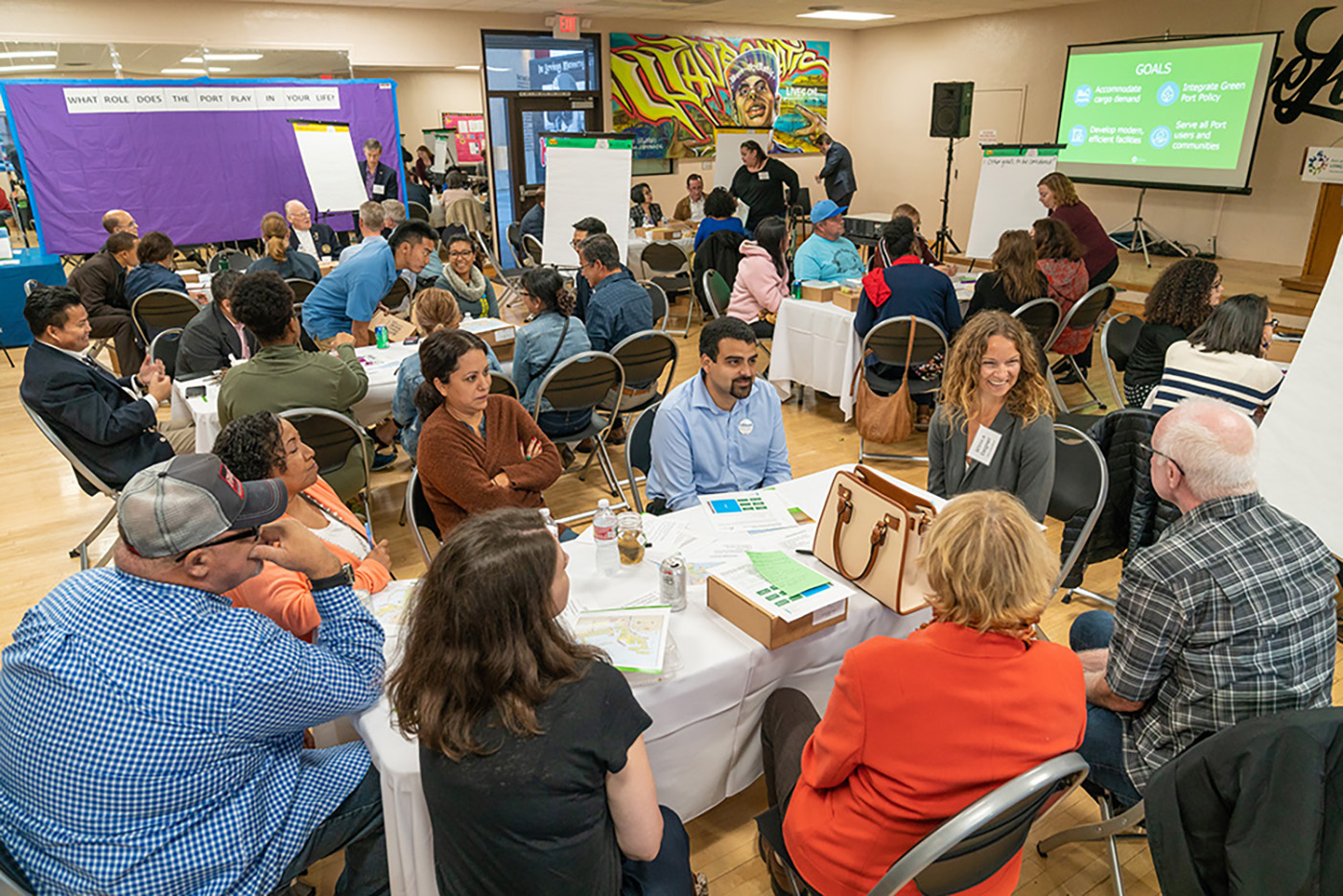
A great way to start these important conversations is to create events (live and/or virtual) where community members and local leaders can come together to voice their concerns, and where project representatives can offer assurances and map out all the positives to come. When you seek feedback at this level, you are building projects with the community in mind, which can help mitigate issues later.
That said, sustaining the community’s attention and broadening their minds requires new and varied tactics that go beyond the traditional public meeting. Online presentations that include short videos and quick memorable text can be effective in making an impact. And when accompanied by interactive components (such as surveys or feedback mechanisms), they can also be used as tools to deepen understanding, while keeping your audiences feeling invested in the project.
LEVERAGING LOCAL GOVERNMENT
Let’s face it. Most public works never get off the ground without the approval of local leadership. However, even with a government thumbs-up, there is no guarantee that the general public will just come along for the ride. And sometimes a vote is required. That is why it is important to meet with top officials and work towards both alignment and allyship.
After all, while there is a certain hesitation (at times) when it comes to trusting politicians at large, community members are much more likely to accept what local leaders are saying over corporations or company representatives.
By showing regional government how your project helps their communities, you can build a strong political network that will help grow support and continue to defend the project, whether it requires a vote or if public opinion turns negative.
MESSAGING YOU CAN’T AFFORD TO IGNORE
Thanks to social media and the 24-hour news cycle, people are more aware than ever about what is going on around them and in their communities. But they want more than awareness; they want a say.
That is why neglecting to meaningfully engage families, individuals and businesses can quickly erode trust in the project and its overall mission, while enabling misinformation to take hold. And, once concerns begin to grow, it can be almost impossible to “put the toothpaste back in the tube.”
As technology progresses, people will want to see more personalized methods of communication and storytelling that highlight “what’s in it for me” and make them feel involved. Therefore, project leaders must continue to leverage communication strategies that focus on nuance and emotional intelligence to stay ahead of the curve and earn the public support necessary for project success.
Melissa S. Cameron is chief client officer at Bodewell Group, helping public agencies and private companies earn community support and approval for large-scale infrastructure projects throughout the Western U.S.
Other Stories:


