 |
Subscribe / Renew |
 |
Contact Us |
| ► Subscribe to our Free Weekly Newsletter | |

Construction Bids
| home | Welcome, sign in or click here to subscribe. | login |


 print print  email to a friend email to a friend  reprints add to mydjc reprints add to mydjc |  |
 |
September 25, 2025

Beever
|
Inclusive design is undergoing a transformation. Historically, schools were built around a narrow set of cognitive norms, often overlooking the diverse ways students experience and interact with their learning environments. Today, as our understanding of inclusion in the built environment expands to encompass cognitive diversity, the focus is shifting from purely physical accessibility to a more holistic approach — one that considers both body and mind.
The latest estimates from the World Health Organization suggest approximately 20% of the global population is neurodivergent. Neurodivergence includes diagnoses of autism spectrum disorder, attention deficit hyperactivity disorder, dyslexia, Tourette syndrome, and other conditions that describe behavioral, learning, and communication-related neurological variations.
With a significant portion of the population already diagnosed with a neurodivergent condition and the prevalence of diagnoses only expected to rise, it is increasingly critical to design educational spaces that accommodate variations in the way our brains process sensory inputs, informational cues, and social interactions.
Challenging the myth of the “average learner,” Gensler’s research has explored the value of designing for multiple pathways of learning, aligning with Universal Design for Learning (UDL) principles which include:
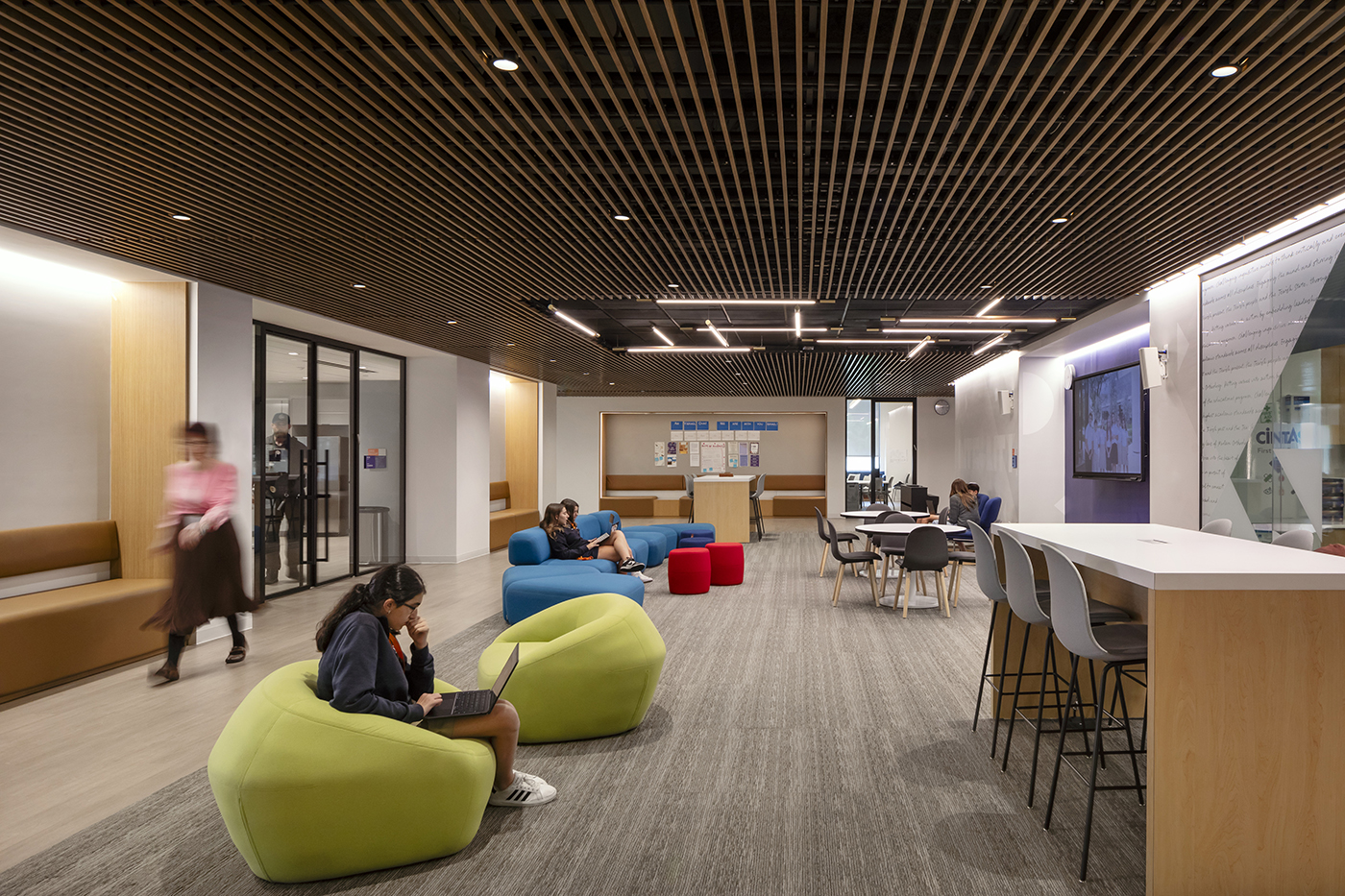
• Multiple Means of Engagement — designing for autonomy, motivation, and emotional connection
• Multiple Means of Representation — offering varied ways to access and process information
• Multiple Means of Action and Expression — enabling diverse methods for demonstrating learning
In the design of educational spaces, these principles are often supported through sensory-sensitive environments, quiet zones and breakout spaces, and visual and tactile learning supports.
TAKING INSPIRATION FROM WORKPLACE DESIGN
Many of the same principles of neuro-inclusive design that are being tested in school settings mirror those being implemented in the workplace.
Sensory-aware spaces: Offices are incorporating biophilic design and acoustic zoning. Schools are following suit with calming color palettes, natural light and quiet zones.
Flexible layouts: Just as modern offices offer a mix of collaborative and solo workspaces, classrooms are being reimagined with movable furniture, breakout areas and student choice in seating.
Wayfinding and clarity: Clear signage and intuitive layouts reduce cognitive load in both settings, helping individuals navigate spaces with less stress.
Autonomy and control: In the workplace, employees are often given agency to adjust lighting or choose where to work based on their sensory preferences or the cognitive resources required for a given task. In schools, students are being given similar control— over their tools, their space, and even their schedules.
Participatory design: Employers are recognizing a return on investment when workplace environments can be co-created with neurodivergent employees through workshops and feedback loops. Likewise, schools are increasingly involving neurodivergent students, parents, educators and specialists in the design process, soliciting early involvement of furniture and sensory design experts to ensure that environments are both functional and inclusive.
WHY IT MATTERS
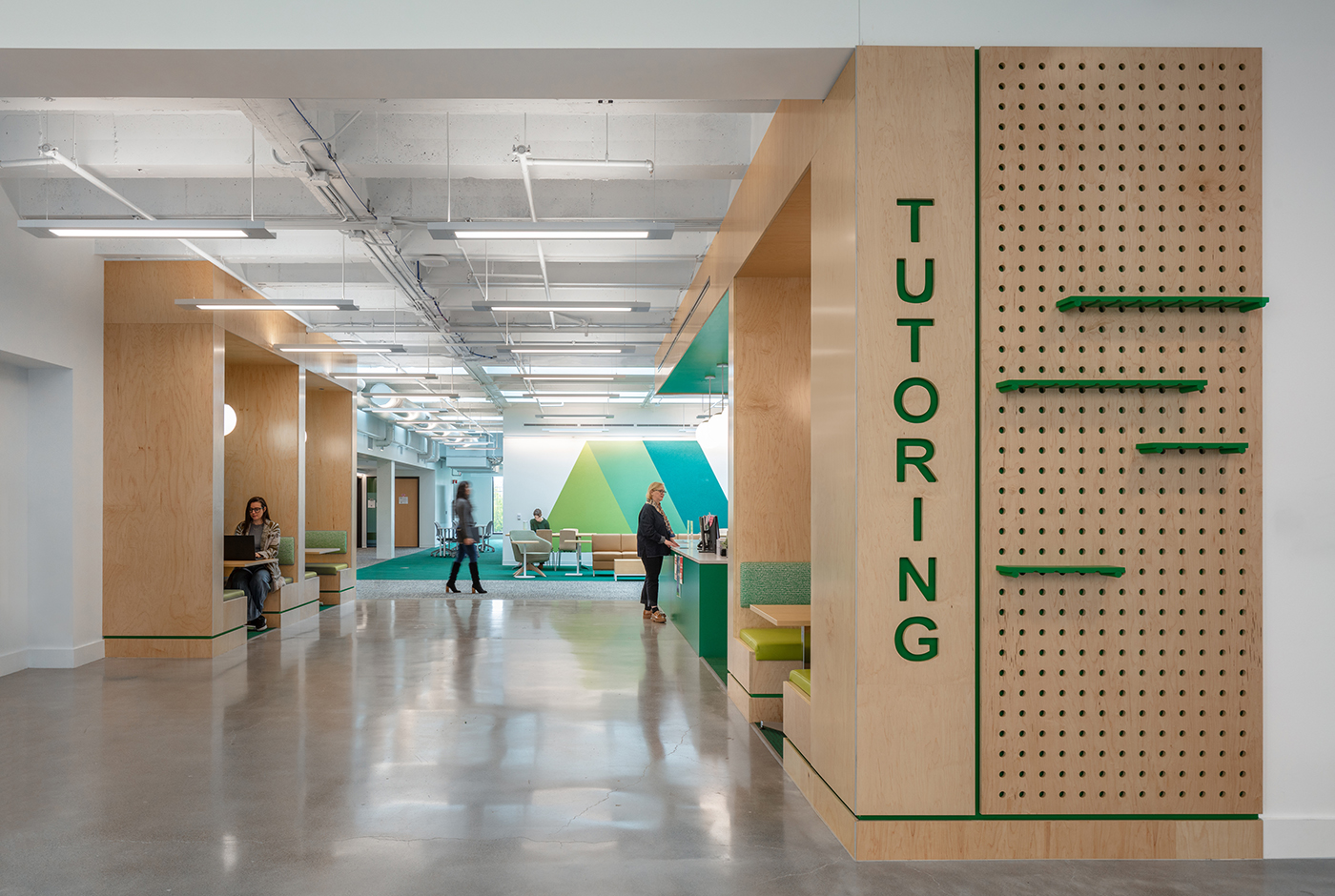
Neurodivergent students face disproportionately high drop-out and unemployment rates when it comes time to enter the workforce. According to the CDC, only 21% of autistic adults are employed full-time, but inclusive school environments can contribute to a reversal of this trend.
By supporting sensory, cognitive, and social needs, schools can help neurodivergent students focus on learning rather than coping with discomfort. This fosters confidence, self-advocacy, and executive functioning — skills that translate directly to the workplace.
In recent years, employers have turned their attention to creating neuro-inclusive workplace settings to support their neurodivergent employees — and for good reason. The business case for neuro-inclusion is compelling.
Companies like SAP, JPMorgan Chase, and EY have reported significant gains and innovation boosts from neurodiversity programs. For example, SAP saved $40 million on a single project due to a neurodivergent employee’s contribution, and JPMorgan found that neurodivergent employees in their program were more productive and completed tasks faster than their peers.
Moreover, studies have shown that psychological safety in the workplace is a key predictor of both career satisfaction and team performance. For many neurodivergent employees, the pressure to conform to majority cognitive norms often leads to masking behaviors — an indication of low psychological safety, or the sense that a person can be themselves without fear of judgement.
This lack of psychological safety significantly hinders productivity and well-being. In contrast, teams that cultivate psychological safety consistently demonstrate stronger performance outcomes.
Additionally, Gensler’s research on neurodiversity in the workplace highlights an “impact gap” between the workplace experiences of neurodivergent and neurotypical employees. Sensory inputs accumulate throughout the day, often requiring neurodivergent individuals to exert greater effort to regulate and recover. This disparity underscores the need for environments that proactively support neuro-inclusion, addressing the sensory, cognitive and emotional needs of neurodivergent individuals.
FROM CLASSROOM TO CAREER
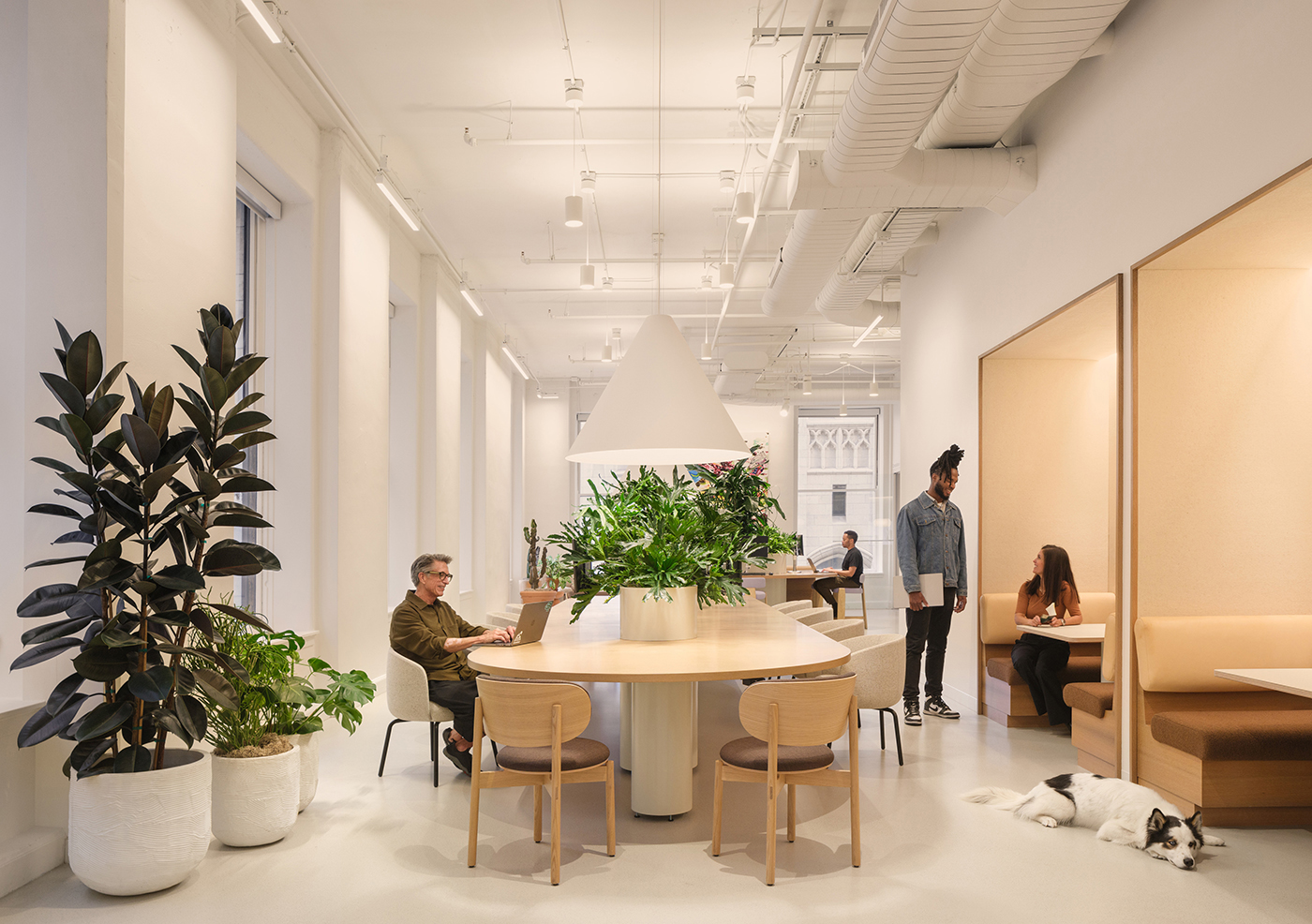
Neuro-inclusive school environments have been shown to improve focus, reduce anxiety, and enhance academic outcomes. The goal is not merely to accommodate neurodivergent students, but to empower them — preparing them to thrive in inclusive professional environments. Neuro-inclusion creates a pipeline for inclusive employment, by nurturing neurodivergent individuals from early education through to the workforce.
Key benefits of neuro-inclusive school design include:
• Developing transferable skills: Inclusive schools provide neurodivergent students with environments that accommodate their sensory, cognitive, and social needs. This allows them to focus on learning while fostering skills like self-regulation and executive functioning that are directly transferable to the workplace.
• Modeling inclusion: When students experience environments that respect their neurological differences, they internalize the value of inclusion. These students are more likely to seek or create inclusive work environments.
• Reducing drop-out and unemployment rates: School environments that support neurodivergent learners increase the likelihood of post-secondary success and long-term employment.
• Building partnerships: Programs like SAP’s Autism at Work and Microsoft’s Neurodiversity Hiring Program often collaborate with educational institutions, creating clear pathways from school to career.
• Normalizing neurodiversity: Inclusive schools help all students understand and value cognitive diversity, shaping future workplace culture.
When students experience diverse learning environments, they internalize the value of cognitive diversity. These future employees and leaders are more likely to advocate for inclusive practices in their careers, helping to build workplaces that continue to embrace neurodiversity.
Meaghan Beever is a senior strategist at Gensler, where she applies a research-based, user-centered design process to challenge assumptions about what makes a good workplace experience.
Other Stories:


