 |
Subscribe / Renew |
 |
Contact Us |
| ► Subscribe to our Free Weekly Newsletter | |

Construction Bids
| home | Welcome, sign in or click here to subscribe. | login |


 print print  email to a friend email to a friend  reprints add to mydjc reprints add to mydjc |  |
 |
September 25, 2025

Urban
|
When a school bond passes, it’s a powerful statement. Voters have chosen to invest not only in their students’ futures but also in the long-term vitality of their communities. School construction is about more than beams, bricks and buildings; it’s also about relationships, opportunities and creating lasting community impact.
Communities place a great deal of trust in the general contractors building their schools. That trust should extend beyond safely and efficiently delivering the school on time and on budget. It should include a shared commitment to maximize the impact of every tax dollar and keeping as much of the project’s economic activity within the local community as possible.
This belief drives our focus on “local spend,” which includes awarding contracts to area subcontractors, hiring from the community, and even tracking how much is spent at local businesses during the course of the project. This isn’t just good PR, it’s good business, and it’s the right thing to do.
LOCAL DOLLARS, LOCAL IMPACT
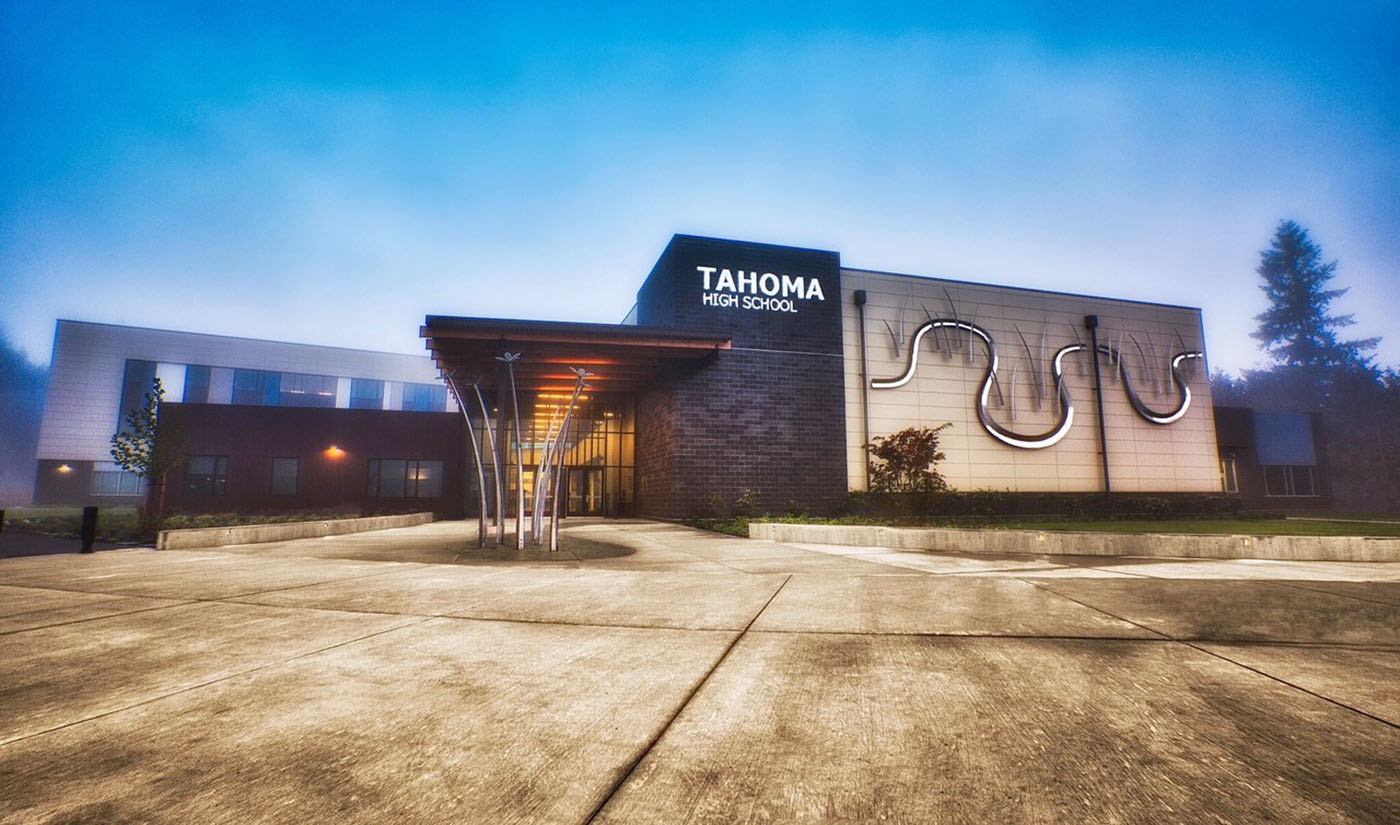
Tahoma High School and Regional Learning Center
One shining example of this approach was our work on the Tahoma High School and Regional Learning Center in Maple Valley. Skanska and the district identified ZIP codes that defined “local,” set spending targets, and tracked subcontracts, purchases, and labor accordingly. The result? More than $10.2 million was reinvested into the Tahoma community, from local lumber to lunches bought at local restaurants.
Bryant Montessori
At Tacoma’s Bryant Montessori, we nearly doubled our local investment goal, achieving nearly 57% local spend on a project that aimed for 30%. This investment not only contributed directly to the local economy, but also helped strengthen relationships with local subcontractors, many of whom have gone on to work with us again.
Central Kitsap High School & Middle School
In Kitsap County, our team launched a five-week bidder readiness workshop to help prepare local businesses to successfully bid and work on the GC/CM project to build the new Central Kitsap High School and Middle School. Two companies, Sablehaus Painting and Viking Fencing, were new to GC/CM and new to working with Skanska. They not only submitted bids (as did every company that attended the workshop) but also won sizable contracts and have continued bidding and winning work with Skanska on multiple projects since.
Vashon Island High School
For the Vashon Island community, a tight-knit, ferry-access-only island of roughly 10,000 residents, local impact wasn’t just a hope, it was a mandate. When voters approved the bond to build a new high school, they did so with the understanding that as many dollars as possible would stay local. During Skanska’s interview process, the district asked tough questions about how we planned to deliver on that promise.
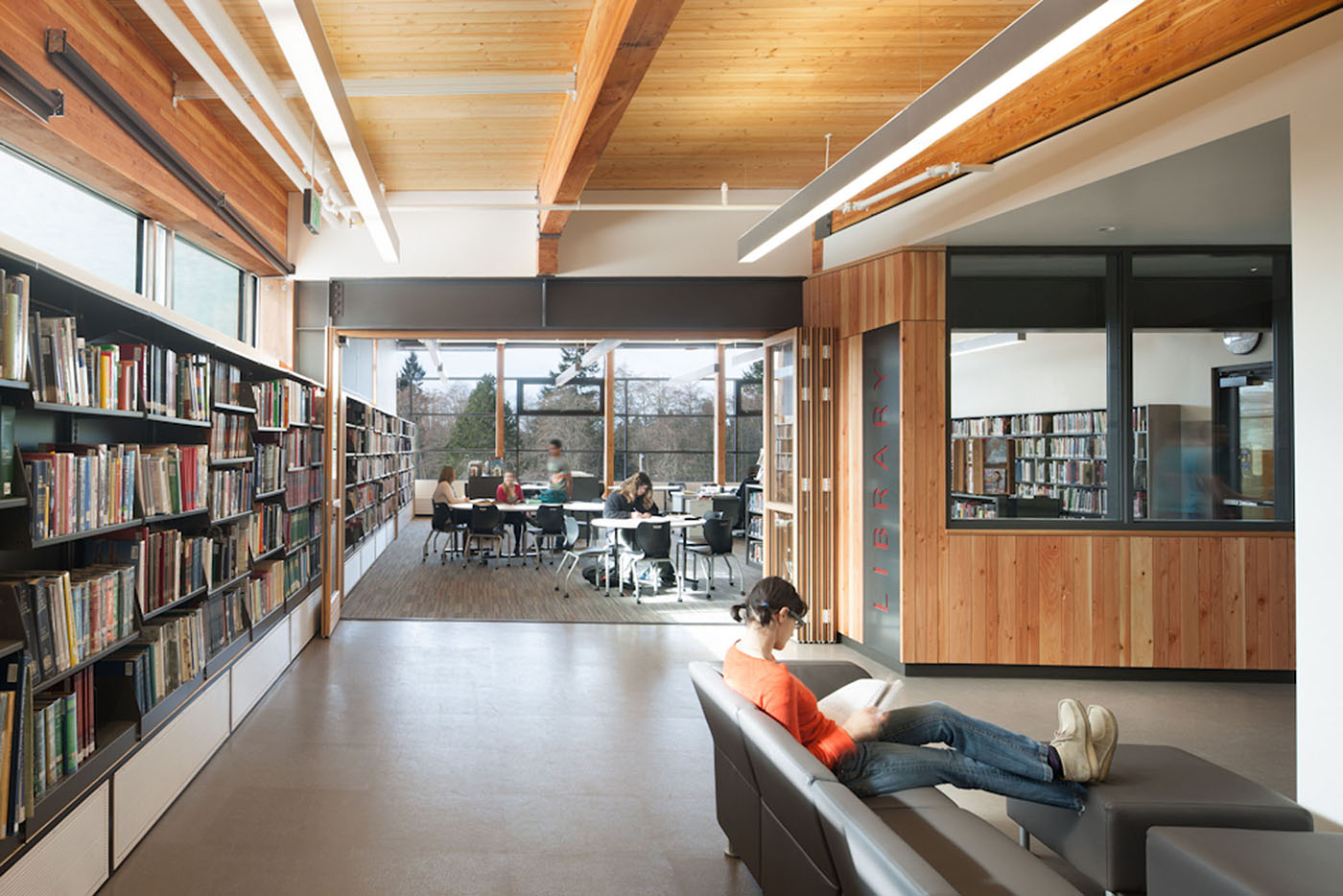
With limited local business infrastructure to support large-scale construction, we had to think creatively. Our team developed a strategy to right-size bid packages in line with Washington state law, making it easier for small, local firms to participate. We hosted three town hall sessions with residents to understand who could contribute, then tailored our buyout strategy and sourcing accordingly.
The result? Approximately $1 million in documented local spending went to island businesses. From materials at Vashon True Value and Island Lumber, to wood handrails crafted by Vashon Forest Stewards, to concrete from Cal Portland’s Vashon ready mix and aggregate plant, the project supported the local economy at every level. Even fuel for trucks came from a local supplier, Williams Heating.
Perhaps most memorable was the school cafeteria’s daily contribution. The student-run “Crow’s Nest” became a beloved breakfast and lunch spot for workers arriving early after long ferry rides and became a genuine connection point, as well as proof that impact goes well beyond dollars.
BUILDING HANDS-ON EDUCATION AND CAREER OPPORTUNITIES
While tracking local dollars is one measure of success, the real impact goes far beyond the bottom line. When we build a school, we’re also building relationships with students, teachers and community members. On many of our projects, we work with educators to develop real-world learning opportunities, from jobsite construction project-related math lessons in the classroom to student-led mural projects. We’ve helped create scholarship funds, supported coat drives, and hosted students as “superintendents for the day.”
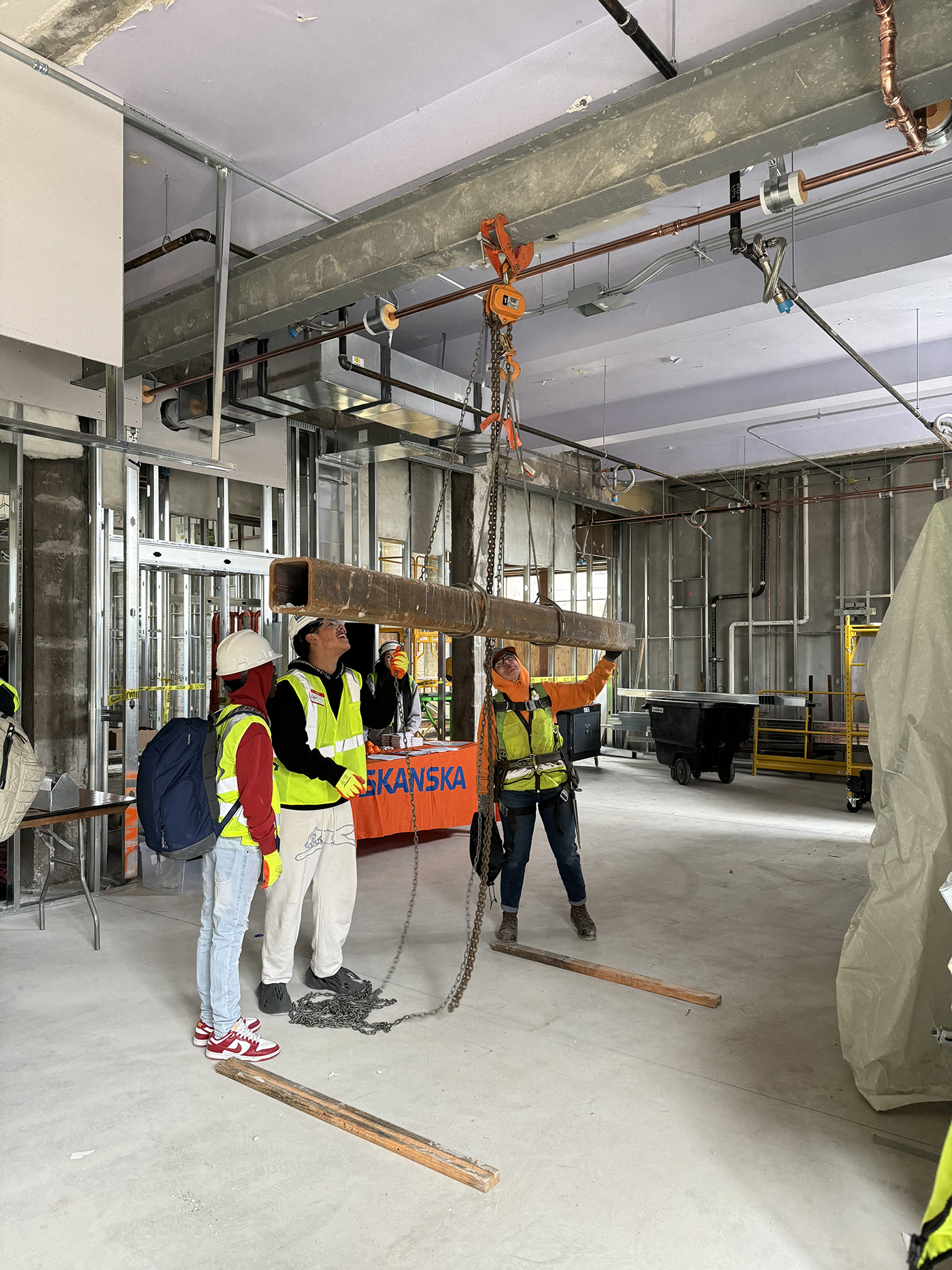
We even go a step further. For many high school students, the question that looms large is “what comes next after high school?” To help students navigate this path, Skanska works with groups like the ACE Mentor Program and ConstructDiversity, and hosts Youth in Construction events with Seattle Public Schools to showcase the breadth of career paths available within the construction industry.
Through these programs, we give students the opportunity to do some fun, hands-on learning and get exposure to a career path they may not have thought about.
Importantly, these programs share information on the varying ways people enter the construction industry, as there is no one-size-fits-all path, especially given the diversity of roles available across the broader AEC industry. While many roles do require a college education, just as many begin with a high school diploma, a willingness to learn and hard work. Whether it’s apprenticeships, on-the-job training, or other learning and career growth opportunities, all continue to afford millions of people in the construction industry a well-paying future with good benefits.
One of the most exciting developments has been our work integrating the Student and Community Workforce Agreement (SCWA) into our projects with Seattle Public Schools, most recently with the Montlake Elementary School modernization project we just completed. For us, the SCWA is a shared commitment to create career opportunities for our neighbors who need them.
From the start of the project, we integrated SCWA into our overall approach to procurement and workforce planning. This included incorporating SCWA requirements into our trade partners’ contracts, reinforcing priorities during preconstruction start-ups with trade partners, coordinating with local unions to ensure requirements were considered when dispatching labor, reviewing expectations at foreman meetings, and monthly check-ins throughout construction.
Pre-apprenticeship training classes also are an important component of the SCWA program, and Senior Superintendent John Amdal demonstrated his personal commitment to the community by volunteering his time to three local pre-apprenticeship programs over the course of the project. At his training sessions, John shared the criteria that he and other superintendents use to evaluate and hire workers on our jobsites.
Following John’s training, several of these pre-apprentices found work on the Montlake Elementary project, and two were hired directly by Skanska.
BUILDING COMMUNITY THAT LASTS
At the end of the day, schools are more than just buildings. They are anchors in our communities. They serve as hubs for learning, connection, and opportunity. When we invest in new educational facilities, we have a responsibility to build not just for students, but for everyone in the community who made that investment possible.
By keeping dollars local, opening doors for small businesses, engaging with students, and listening to community needs, we can ensure that our projects create long-lasting value well beyond the school walls. Because investing in a school isn’t just about what happens inside the classroom. It’s about building up the entire community.
Brian Urban is a vice president and account manager at Skanska with more than 30 years of experience in the industry, providing strategic leadership to the company’s K-12 practice.
Other Stories:


