 |
Subscribe / Renew |
 |
Contact Us |
| ► Subscribe to our Free Weekly Newsletter | |

Construction Bids
| home | Welcome, sign in or click here to subscribe. | login |


 print print  email to a friend email to a friend  reprints add to mydjc reprints add to mydjc |  |
 |
September 25, 2025

McFadgen
|
In recent years, school districts across Washington state have faced challenges achieving the 60% super-majority required to pass bonds to fund major capital projects within their districts. Without this traditional form of funding, districts have explored alternative strategies for generating capital dollars to address their most chronic infrastructure needs. They have also viewed these infrastructure investments as an opportunity to strengthen community trust by underscoring how these improvements directly benefit students and demonstrate responsible stewardship of public funds.
SHIFTING FOCUS TO CAPITAL LEVIES
Capital levies offer one such mechanism to generate funding for many of the 295 school districts within Washington state. With the typical levy duration lasting 3-6 years as opposed to a 20-30 year bond (think car loan versus a home loan), levies generate funds quickly to support smaller projects.
A key component of capital levies is the 50% majority required to pass versus the 60% super-majority for a bond. However, levies require careful planning. Dollars are collected two times per year over the duration of the levy; in lieu of lump sum amounts that are generated in a bond. While the cash flow dictates the size and schedule of projects, levies are vital to addressing urgent infrastructure and growth needs.
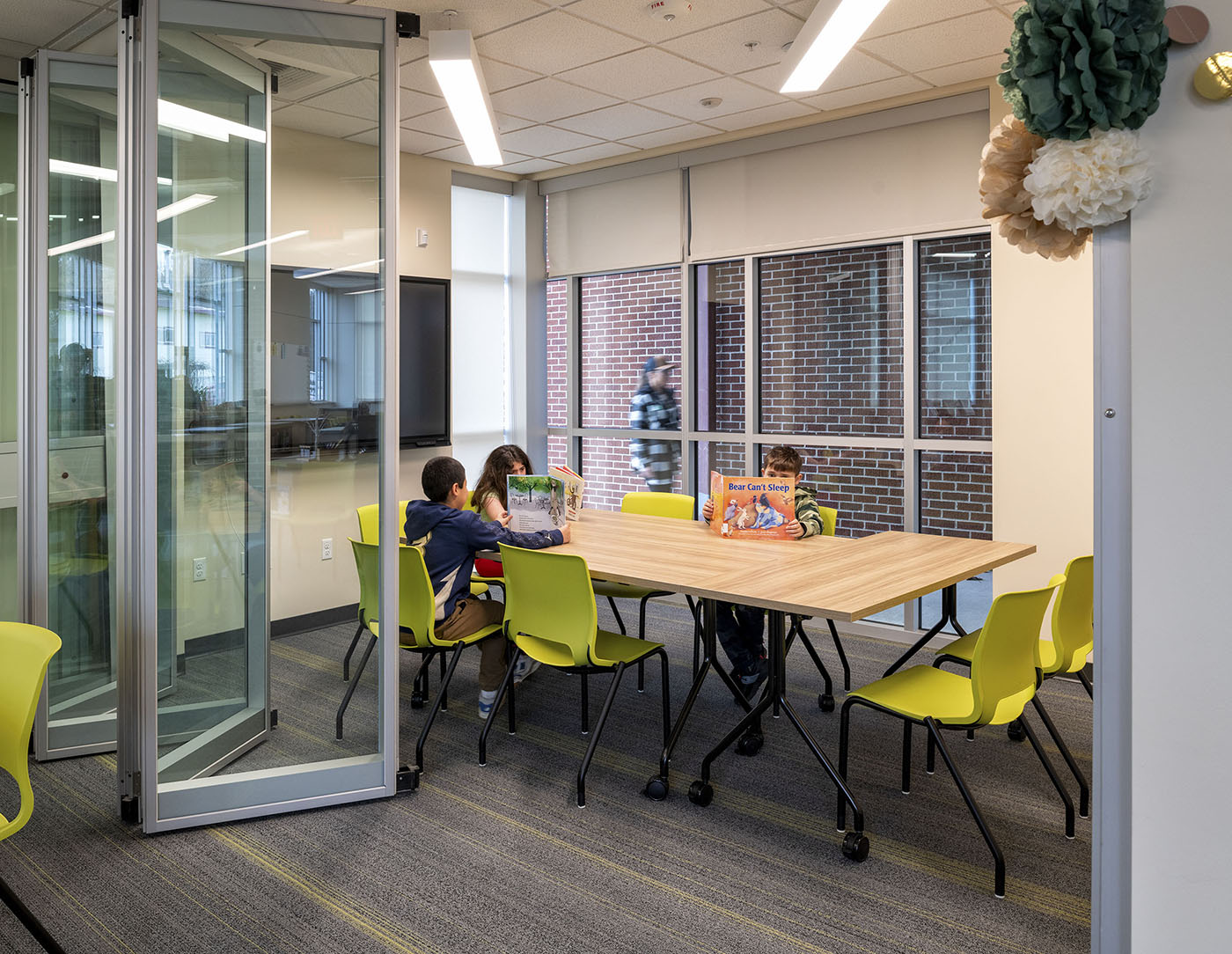
These safety measures might include security cameras, access controls or secure vestibules, large scale maintenance options such as reroofs, playground repairs, or repurposing outdated classroom spaces — like computer labs—to support current educational needs.
After their 2024 bond to replace three schools failed, West Valley School District in Spokane Valley, Wash., turned to capital levies. With these levies, they were able to fund critical district repairs and improvements to add small classroom additions to address growth. Building on the success of the initial capital levy, they passed a second levy which will construct new bus loops to separate parent and bus traffic, creating safer campuses for students, families, and staff. These projects demonstrated to the community wise use of tax dollars, building on the foundation of trust in the district for future bond and capital levy measures.
EXPLORING THE POTENTIAL OF GRANTS
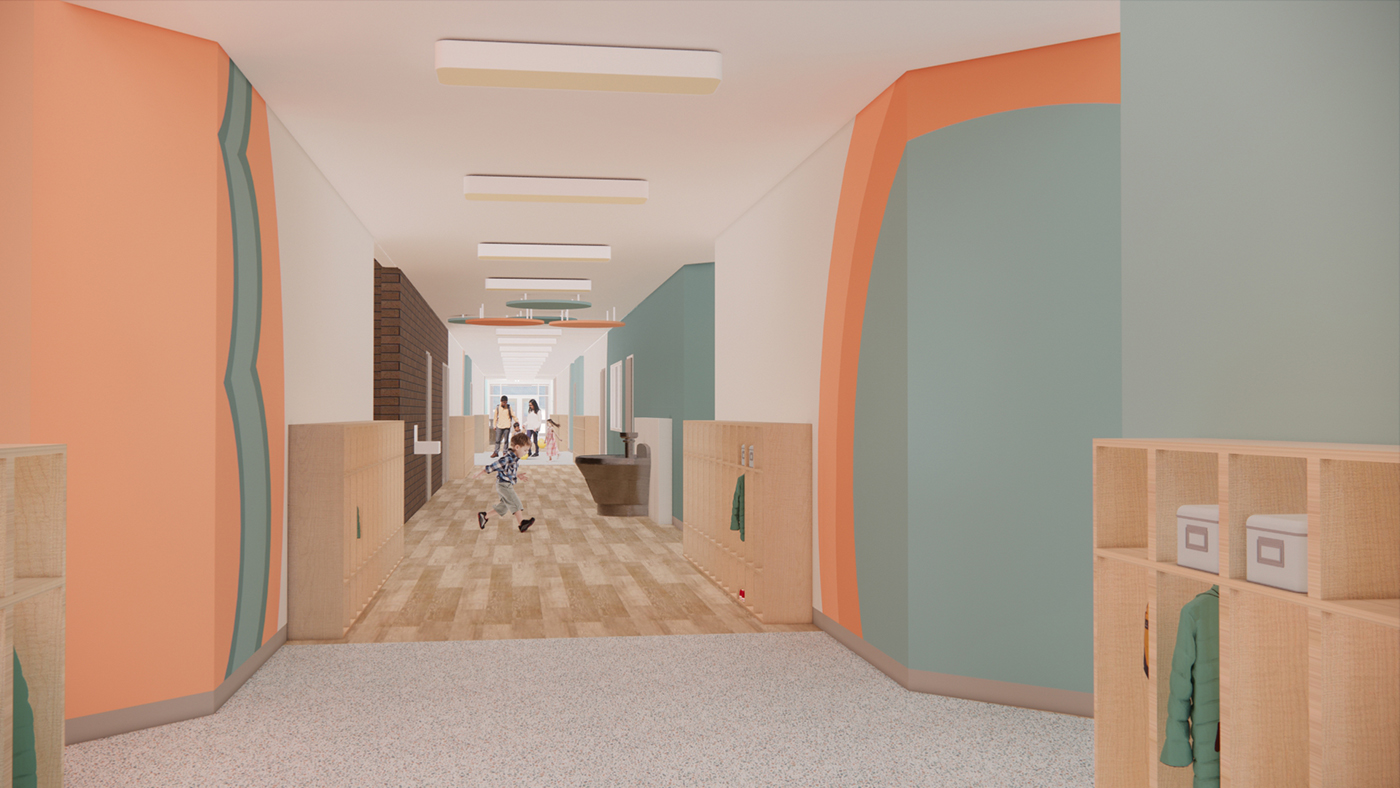
When a school bond does not pass, a school district cannot ask for state assistance due to unhoused students or age eligible buildings, therefore as the passing rate for school bond measures has declined so have the dollars requested by school districts from the state for “matching funds”. This reduction in spending on state “matching funds” associated with bonds has translated into some additional grant funding opportunities for school districts. These grants provide another avenue to address minor capital projects that don’t require an election and can offer an infusion of capital dollars to enhance a district’s ability to maintain or expand their facilities. Understanding the timelines for grant application, along with the criteria to apply for the grants, is critical to success. Some grants are open ended, while others are more specifically focused on replacement of systems, such as an upgrade/replacement to an outdated HVAC system.
Most grants include at least two phases. The first phase is typically a planning grant to study the need, define potential solutions, and develop a project budget to achieve the potential solutions. This phase serves as the basis for subsequent grant requests to fund the design and construction of the project. This may mean that the planning grant and the capital grant can extend over multiple budget cycles. This type of grant process may not address the urgent needs some districts are facing, therefore exploring grant opportunities, such as the Office of Superintendent of Public Instruction (OSPI) urgent repair grant. This may be more aligned to address immediate district needs. Ultimately, grants provide another pathway for districts to acquire dollars to improve and maintain their facilities to best support students and the broader community.
ADDITIONAL GRANT CONSIDERATIONS
Grants are often focused on school districts with specific characteristics. These factors could include tribal, small (1,000 or fewer students), and rural districts, along with those looking to expand early learning classroom spaces. Other grants require some form of match or in-kind contribution from the district. This varies from grant to grant and often changes between each issuance of the grant, so it is critical for districts to read each application thoroughly to optimize potential for success.
Grant funding is also available to address other unique conditions such as seismic, environmental, or energy efficiency. These dollars could be used for testing or analysis for lead in water remediation and performing ASHRAE Level 1 assessments in preparation for the Clean Building Act. Like capital levies, the size of these grants often supports targeted improvements, but they are not sizeable enough to fund a full-scale replacement project. Some example grants funded through OSPI can be found here: https://ospi.k12.wa.us/policy-funding/school-buildings-facilities/grants-funding-resources-non-scap
BUILDING COMMUNITY PARTNERSHIPS
Collaborations with local partners — such as public libraries, parks and recreation departments, and healthcare providers — extend community resources while broadening opportunity. Strong partnerships expand services, reduce costs, and strengthen communities through mutually beneficial programs.
These collaborations come in many forms, depending on community needs. For example, a public library may partner with a school district’s library system to share collections, giving students broader access and easier book checkout and return. Co-located health or dental clinics on campuses improve student access to care without the need to leave school. Similarly, partnerships with parks and recreation departments can mean shared athletic fields and maintenance costs. During the school day, playfields support academic programs; after hours, they serve clubs and community recreation, maximizing use and reducing long-term operational expenses.
These partnerships also allow for multiple organizations to share in development costs. This may look like a school district and a library system running a shared capital development bond. Funding may be increased with diversified ownership/management because of broader ability to apply for grants. These partnerships improve access to services, keep students in school by offering resources directly on campus, and open new funding opportunities that wouldn’t be available to a single agency acting alone.
LOOKING AHEAD
In a constantly changing landscape, school districts are facing both new and familiar challenges in passing bonds. At the same time, they are pursuing innovative strategies to address capital projects while showing their local communities a strong commitment to responsible stewardship of public funds. With their ever-present focus on serving students and communities, school districts continue finding creative ways to provide environments that support students socially, emotionally, and academically.
Melissa McFadgen, a principal at NAC Architecture, has dedicated her 26-year career to designing educational facilities, including nearly 50 Pre-K through grade 12 schools and has presented throughout the U.S. on educational facility design.
Other Stories:


