|
Subscribe / Renew |
 |
Contact Us |
| ► Subscribe to our Free Weekly Newsletter | |

Construction Bids
| home | Welcome, sign in or click here to subscribe. | login |


 print print  email to a friend email to a friend  reprints add to mydjc reprints add to mydjc |  |
 |
July 31, 2025

Calhoun
|
Beginning with the initial design charrettes in 2017, BioMed Realty, Turner Construction, and architects SKB and KHA collaborated to engineer the twin 15-story towers of Dexter Yard to meet the demands of customers for research-grade utilities. The design process included enhancements to the electrical distribution system infrastructure, expanded utility shafts and reinforced roof steel.
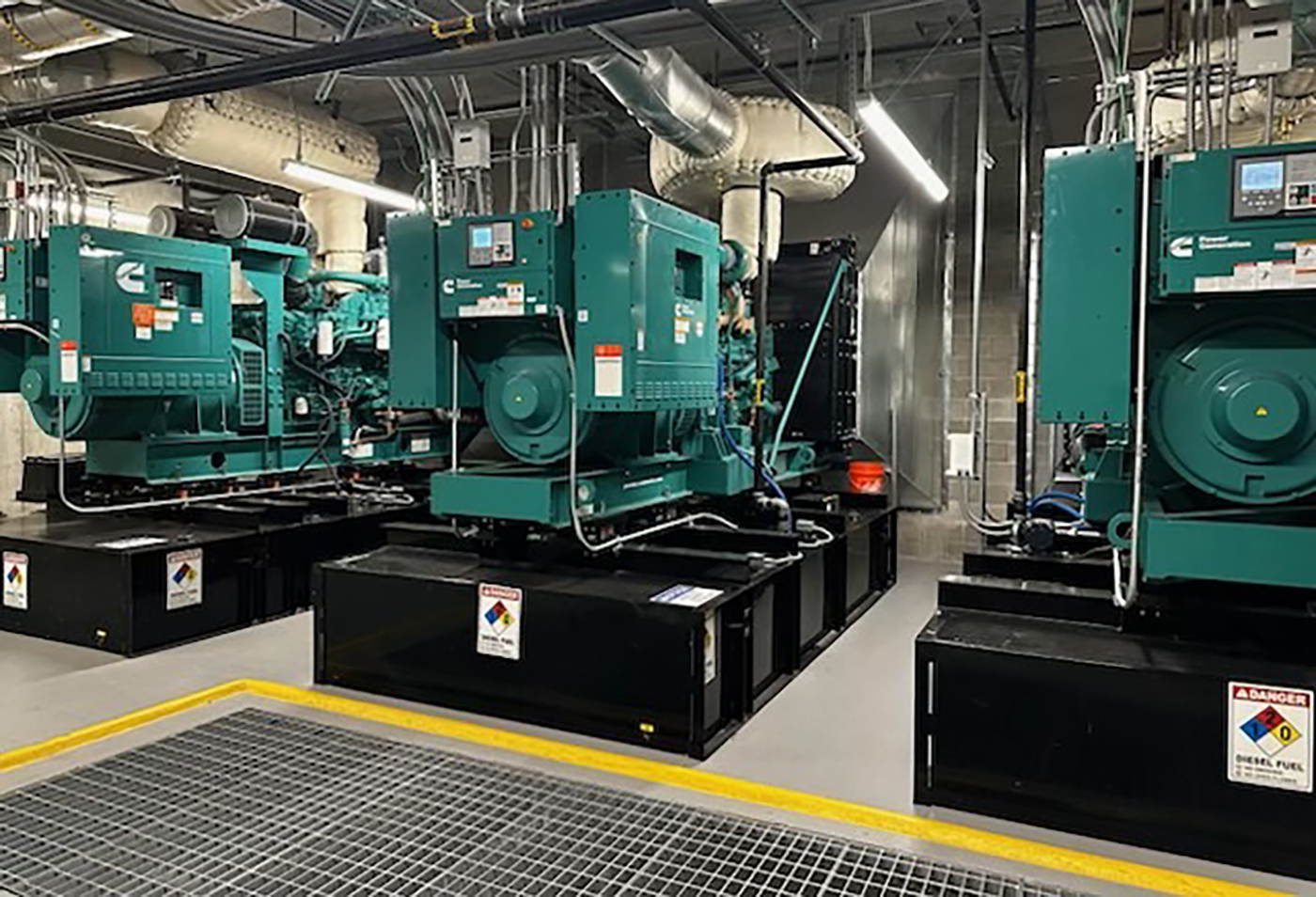
By the time of the topping-out milestone in late 2021, the structure was already equipped to deliver up to 20 watts per square foot in laboratory areas and was able to accommodate a 1.6-megawatt optional standby generator plant.
“Dexter Yard is the product of deep collaboration between teams who understand the complexity of life science infrastructure from day one,” said John Moshy, BioMed Realty Senior Vice President, Development. “Together, we developed a platform that anticipates tenant needs, delivering flexibility, reliability, and room to grow in one of Seattle’s most dynamic innovation hubs.”
By embedding extra electrical and HVAC capacity during core construction and then staging subsequent upgrades in deliberate sequence, Dexter Yard was designed and developed to be capable of absorbing volatile scientific workloads without multi-month shut-downs.
_big.jpg "click to enlarge")
Also within Dexter Yard are BioMed Realty’s Velocity Labs, which provide flexible, move-in ready lab and office spaces designed by Boulder Associates. The Velocity Labs are purpose-built down to the detailed industry requirements for plumbing, power, and ventilation, enabling tenants to conduct research effectively and efficiently, from day one.
Flexibility at Dexter Yard begins with concrete and steel. During the preconstruction phase in 2019, the design team widened every utility shaft by approximately 40 percent compared to the minimum requirements for a standard office tower. They also arranged the mechanical penthouse around a modular equipment grid.
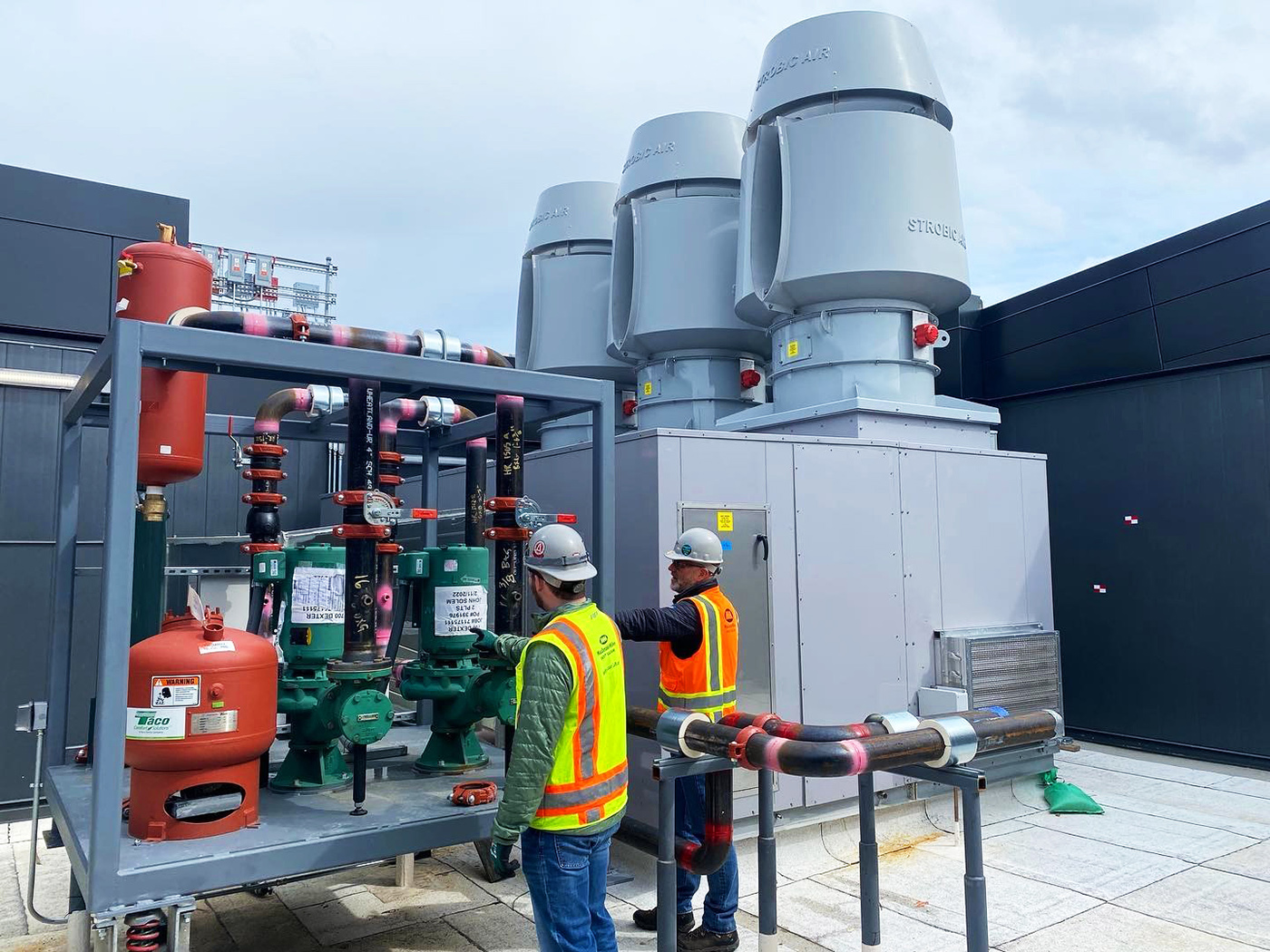
The North Tower chiller yard was designed to accommodate four chillers, with three being installed during the initial construction phase and the fourth added during the Lab Warm-Up 1.0 project. Additionally, the electrical rooms were sized to allow for extra panels and feeder routing as more tenants moved into the building.
Trade partners adopted a similar long-term perspective. Cochran electricians installed additional block outs in the concrete deck, allowing future feeders to run upward without the need for core drilling. MacDonald-Miller pipefitters capped branch connections off the chilled water mains on every level, providing flexibility for new tenants.
This foresight proved beneficial when Dexter Yard completed the build-out of spaces for new laboratory tenants that emerged after the shell and core project was finished.
“We made sure to thoughtfully future proof the building for tenants that would move into Dexter in the future,” said Grace Calhoun from Turner.
Lewie Thomson of MacDonald-Miller added, “Our goal was to anticipate future tenant needs and work as an integrated team to design pathways and infrastructure to support tenants regardless of the research that materialized.”
Phase 1.0, completed in Spring 2023, introduced two generators that added 1.6 MW of capacity to the existing plant. Six months later, Phase 2.0 was launched, and MacDonald-Miller commissioned two 240 ton chilled-water plants with all-electric heat pump heating systems to expand the lab readiness of the building’s HVAC capacity.
Cochran added a fourth generator and replaced legacy breakers with solid-state transfer switches. These improvements increased Dexter Yard’s standby capacity to 2.4 megawatts.
“Through the phased infrastructure upgrades in Phase One and Two, the team successfully positioned the building to offer prospective tenants maximum flexibility in meeting their programmatic requirements,” said Bryce Hesselgrave with Cochran.
High density doesn’t have to equate to high carbon emissions. Mechanical contractor MacDonald-Miller’s Heat Recovery Chiller, along with a (2) 4.5million BTU condensing boilers, enables Dexter Yard to reduce its annual fossil gas consumption by approximately 40 percent. The mix of heat pump heating and efficient condensing boiler technology represents a practical approach to reducing carbon emissions. With the heat recovery chiller acting as the first stage of heating, the design intends to curb the use of natural gas as the heating source.
“The heat recovery chiller is an essential tool for us to share energy between spaces,” said Lewie Thomson of MacDonald-Miller. We work to reduce energy demand first and then leverage the heat recovery chiller to reuse energy instead of wasting heat.”
The speed of delivery is a key factor that sets this project apart. Every Tuesday, the shell and core team BMR, Turner, SKB, KHA, Cochran, and MacDonald-Miller meet in a virtual design coordination (VDC) model to clash-test the fabrication drawings for the upcoming week. This process has allowed us to cut nearly a month off the schedule and eliminate 200 field RFIs by addressing issues before installation begins.
This workflow has been successfully replicated and is currently being integrated into additional BioMed Realty projects. Currently, there is approximately 60,000 square feet of space available for tenants in Velocity Labs, which can be customized within a six-month timeframe.
As Dexter Yard transitions into full operation, its oversized infrastructure and phased upgrades deliver unprecedented plug-and-play capability for Seattle’s life science market. By embedding extra electrical feeders, chilled-water capacity, and standby generation into the shell and widening utility shafts, modularizing penthouses, and pre-capping mechanical connections, the twin towers can support the most power-intensive research without lengthy shutdowns.
With six megawatts of backup power, a heat-recovery chiller that cuts carbon emissions by 40 percent, and a Virtual Design and Construction process that shaved weeks off schedule, Dexter Yard stands as a resilient, sustainable property engineered to accelerate scientific discovery well into the future.
Grace Calhoun, SPD Project Manager at Turner Construction, has 10 years of industry experience and dual degrees in Construction Management and Architecture from Washington State University.
Other Stories: