|
Subscribe / Renew |
 |
Contact Us |
| ► Subscribe to our Free Weekly Newsletter | |

Construction Bids
| home | Welcome, sign in or click here to subscribe. | login |


 print print  email to a friend email to a friend  reprints add to mydjc reprints add to mydjc |  |
 |
November 20, 2025

Moddemeyer
|

Rivera
|
The investments we make today to design our projects and cities, plan our infrastructure, and engage with our communities will create a more sustainable future.
We are living through a moment of profound transformation that is propelled by climate disruption, rapid technological shifts and evolving social needs. The uncomfortable truth is the systems we rely on — from infrastructure and governance to ecology and economy — are being destabilized by climate disruption, rapid technological change, and polarized social systems. It is our responsibility to observe the challenges, orient toward our shared values, work with our communities, and create appropriate structures and actions during this time of turbulence.
The following are key principles of resiliency we can embed in our projects that will create more sustainable communities in the future.
INVEST IN PUBLIC AND PRIVATE RESOURCES
As climate conditions shift, infrastructure ages, and social dynamics outpace policy, our planning and design processes must evolve to meet an uncertain future.
First, we need to build flexibility into the systems we design. That means anticipating systems and design thresholds to fail and creating infrastructure that can adapt or regain functionality quickly and gracefully. It also means phasing large-scale projects to allow for adjustments as conditions change and new information emerges.
Our approach to resilience must center recovery strategies, especially for communities who are already recovering from previous events. We too often plan only for the moment of impact, not the long road that follows. When we account for social inequity, capacity to adapt, and the challenges for long-term recovery, we help communities emerge stronger and more connected, rather than permanently set back.
REDEFINE RESILIENCE
One way we can measure resilience is by how quickly and effectively a community can recover while retaining its core identity.
An example of this is the Resilient Design Performance Standard we co-developed with consulting engineer Chris Poland for the Boulder, Colo, CDBG-DR Collaborative. In this project, we worked directly with communities to set clear recovery time goals for infrastructure, based on their local priorities.
Through this process, communities identified the interdependencies between systems that might otherwise delay their return to normalcy after a disaster.
More importantly, it gave infrastructure design teams a structured way to consider social and ecological resilience in their decision-making. Planning for what happens after systems fail and then guiding how quickly they recover is essential.
This work isn’t limited to theory. For over a decade, we’ve applied these principles in real communities across Washington, from Whatcom, Skagit and Pierce counties to Goldendale, La Conner and Seattle. Each project reflects a shared understanding that recovery planning is just as important as resistance, and that designing for resilience means designing with foresight and empathy.
START WITH SHARED VALUES
When people see their priorities reflected in tangible projects, they are more likely to support them, advocate for funding, and help carry them through implementation. This shift from technical solutions to community-rooted planning makes a measurable difference in long-term outcomes.
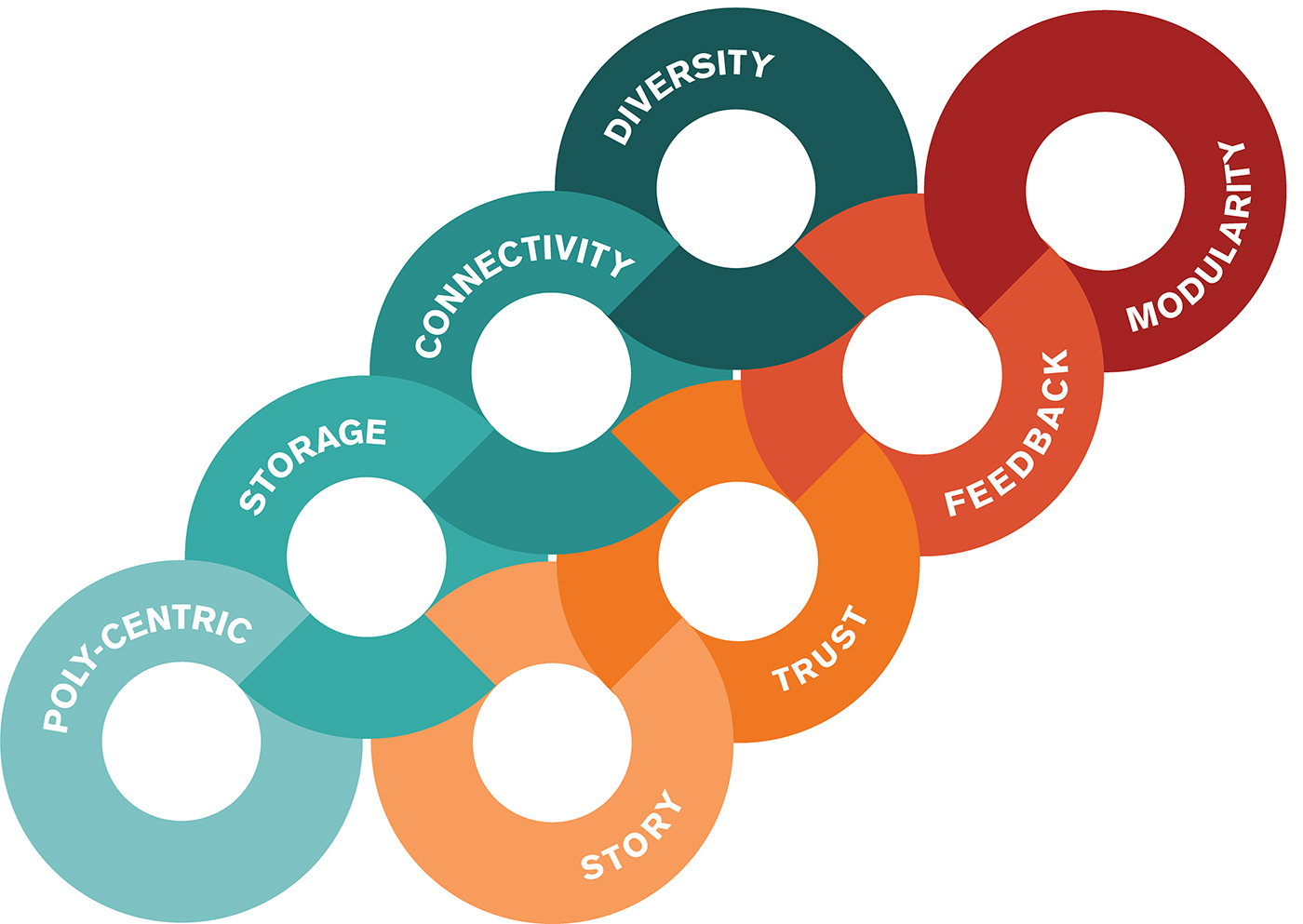
Shared values begin by asking people to define the values that define them: what they want their community to stand for, protect, and build toward. From there, we explore how those values can inform planning and design choices.
For example, CollinsWoerman worked with Pierce County to come up with a solution for persistent flooding in lower Clear Creek, where years of debate had stalled progress among landowners, the Puyallup Tribe, and local residents. Through a collaborative value planning workshop, stakeholders identified a shared solution — replacing a costly levee plan with a bridge concept first proposed by a Tribe member — that ultimately saved over $30 million and created a more sustainable, community-driven outcome.
CREATE SCALABLE, LOCAL SOLUTIONS
The most powerful resilience strategies are often local, specific, and small in scale but scalable in impact. Even modest projects can serve as models for broader adoption when they’re rooted in shared values and designed with adaptability in mind.
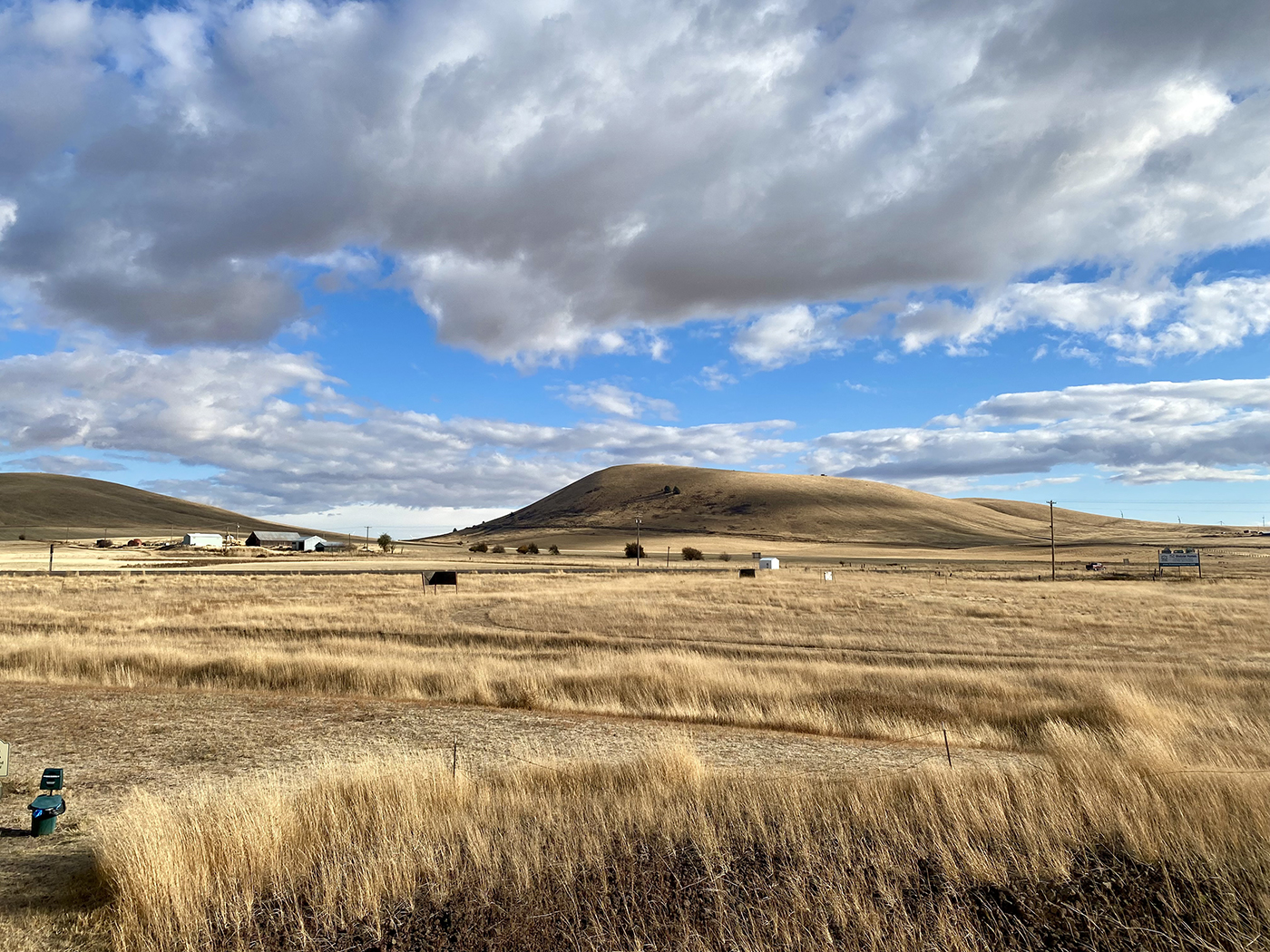
A clear example comes from Goldendale, Wash. Klickitat Valley Hospital was struggling to replace its aging backup generators that dated back to World War II after traditional funding options fell short. CollinsWoerman worked with the Center for Sustainable Infrastructure for the Klickitat Valley Hospital to develop an integrated strategy that would be compelling to state legislators.
We facilitated a Sustainability and Resilience Value Planning Workshop that included local farmers, city and county officials, the school district and community members. The workshop identified shared priorities and created the Goldendale Energy Exchange. This community-scale renewable energy district offered a unified solution that met the energy needs of the hospital, the schools, and other facilities. The integrated approach reduced costs and secured buy-in across local, regional, and state levels, unlocking funding that had previously seemed out of reach.
The Goldendale project illustrates how change starts at the local level. Communities can strengthen resilience when they draw on local problem-solving capacity and values. Instead of settling for limited, one-sided solutions, stakeholders built a multi-benefit, values-driven solution that delivered wins for healthcare, education, and energy security.
THE RESPONSIBILITY OF NOW
During this time of instability, the choices we make today will greatly impact what’s ahead. As designers, planners, and members of our communities, we have an ethical responsibility to recognize the changed circumstances when we plan, design, and implement our projects.
Resilience isn’t just about green buildings or more efficient infrastructure — it’s also about working together, listening to communities, and designing systems that can adapt and recover when things change.
This is a time to be thoughtful, collaborative and open to new ideas. By taking small, intentional steps now, we can guide our communities toward a more adaptable, equitable and prosperous future.
Steve Moddemeyer is a principal and sustainability expert at CollinsWoerman with decades of experience leading governments, land owners, and project teams toward increased sustainability and resilience. Kristina Rivera is the marketing coordinator at CollinsWoerman.
Other Stories: