 |
Subscribe / Renew |
 |
Contact Us |
| ► Subscribe to our Free Weekly Newsletter | |

Construction Bids
| home | Welcome, sign in or click here to subscribe. | login |


 print print  email to a friend email to a friend  reprints add to mydjc reprints add to mydjc |  |
 |
November 20, 2025

Clem
|
The construction industry is facing a critical inflection point. With the built environment responsible for an estimated 40% of greenhouse gas emissions, contractors and designers have embarked on innovating ways to reduce their carbon footprint. At the core of this transformation is the supply chain.
Supply chains are not just logistics. They influence the environmental footprint of every project, impact labor conditions across continents, and shape the social and economic well-being of communities. Sustainability in construction starts with what we choose to build with and who we choose to build it.
A sustainable supply chain is one that reduces harm, promotes inclusion, and supports long-term business resilience. This means responsibly sourced materials, minimized waste, ethical labor practices, and full transparency from procurement to project delivery. Based on our experience, here are five strategies that help move the industry in that direction.
BUILD KNOWLEDGE ACROSS THE SUPPLY CHAIN
Many construction leaders think sustainability begins on the jobsite. In reality, it starts with understanding the upstream impact of the materials and labor that feed every project.
This understanding doesn’t have to come at a high cost. There are industry-wide frameworks now making it easier to evaluate and choose responsibly manufactured products. The Common Materials Framework, from Mindful MATERIALS, for example, aggregates transparency data on material health and environmental impact. Tools like BuildingEase streamline the process of selecting products that meet these criteria.
In the U.S., the Supply Chain Sustainability School, now available through a partnership that includes Skanska, offers free online training for industry professionals across topics such as waste reduction, biodiversity, energy, and community engagement. In the last 13 years, the school has trained more than 140,000 individuals across four countries.
There are also initiatives tackling the human side of sustainability. The Design for Freedom by Grace Farms highlights the risks of modern slavery in the global supply chain. Education is key here. We encourage teams to learn about these tools and share them with subcontractors, suppliers, and clients to strengthen the sustainability baseline across every project stakeholder.
DEFINE AND ALIGN AROUND SHARED STANDARDS
Sustainability goals must be both measurable and understood by everyone involved, from architects to procurement teams to subcontractors.
If a project owner wants every product to have an Environmental Product Declaration (EPD) or Health Product Declaration (HPD), that standard must be communicated early and clearly. These documents enable lifecycle tracking of materials and health impacts, supporting better procurement decisions.
Setting expectations at the start of a project helps ensure that goals are met without delays. The process also fosters cross-functional alignment, encourages accountability, and creates a shared definition of success. Every project benefits when this practice becomes more commonplace.
DEMAND TRANSPARENCY AND TRACK PROGRESS
Visibility is required for real progress. That is why transparency and accountability must be built into procurement. For many firms, this starts by requiring ISO-certified partners or materials that meet Common Materials Framework commitments.
One of the most effective tools in this area is the Embodied Carbon in Construction Calculator (EC3), a free tool created in partnership with Skanska. It draws from a database of over 16,000 EPDs, allowing teams to compare materials by their embodied carbon impact.
On a major technology campus refresh in Redmond, when we started to ask for EPDs via EC3 for that project, the average Global Warming Potential of concrete mix designs in the Puget Sound region dropped by 18 percent — not just for Skanska projects, but for every company that purchased concrete in the region.
This level of visibility empowers teams to make informed trade-offs. It also encourages manufacturers to improve their environmental performance to stay competitive.
INVEST IN CIRCULARITY TO MINIMIZE WASTE
Construction generates a lot of waste globally. That negative distinction also means the industry has significant potential for improvement from reuse. Circular construction, which repurposes and reintegrates materials, keeps resources in play longer, reduces embodied carbon, and preserves craftsmanship.
We’ve seen this in action across multiple regional Skanska projects:
I-405, Brickyard to SR 527 Improvement Project, Bothell: Using more than 25% recycled concrete aggregate of the 314.2 million tons of identified material. During demolition of the bridges at the 405/522 interchanges, the concrete will be hauled to a local aggregate recycler for reuse in this project and potentially others, as well. Steel from the demolished connector structures will also be recycled.
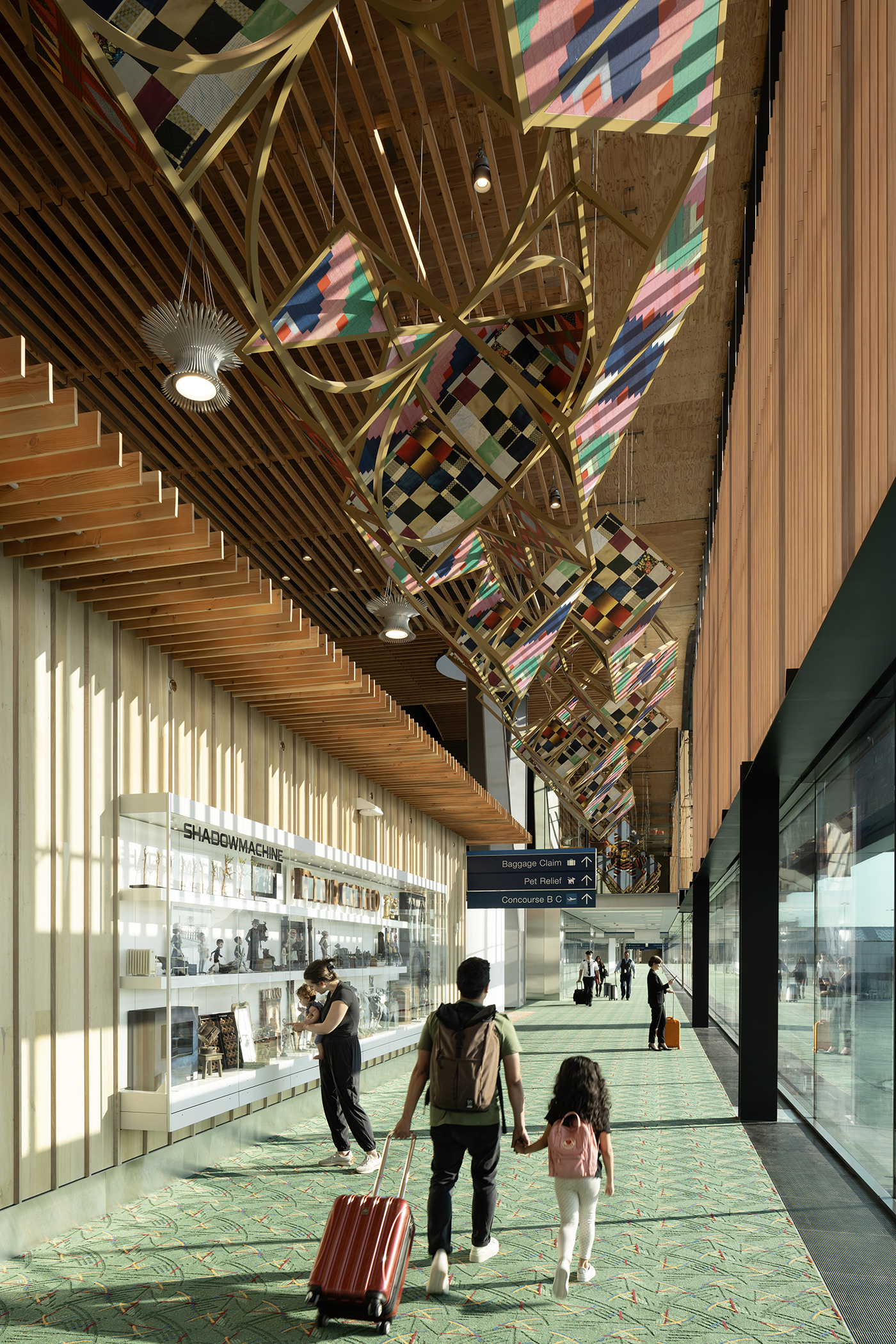
Portland International Airport: Wood waste was converted into finished wall panels and furnishings.
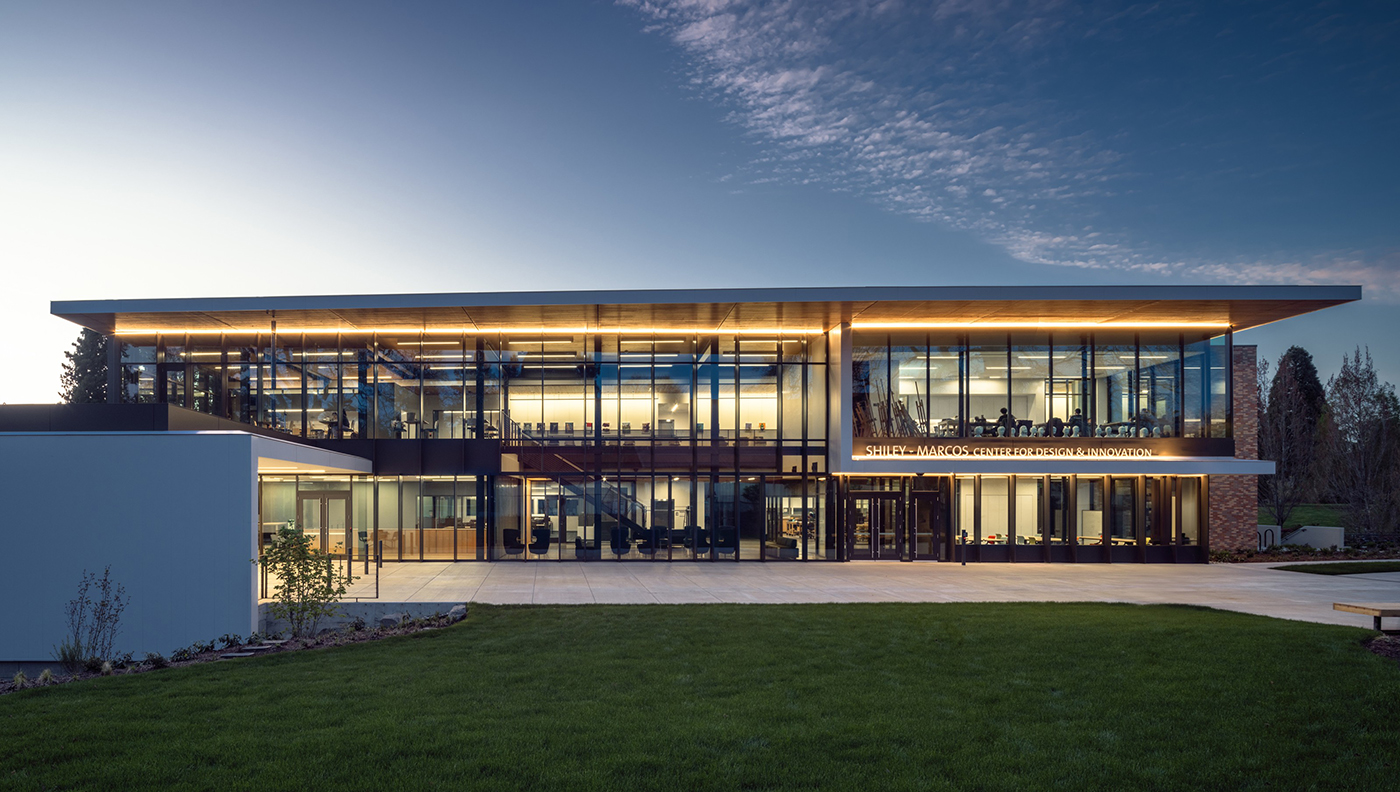
University of Portland: A retrofit transformed an existing structure into a new academic facility, cutting embodied carbon by 42 percent.
Circularity requires extra planning and often new partnerships. But the benefits are substantial in terms of financial savings, environmental impact and cultural value.
SCALE CHANGE THROUGH INDUSTRY COLLABORATION
The supply chain is bigger than any one company. Driving real change requires systemic alignment.
Skanska is actively involved in efforts to build that alignment. We chaired the task force that wrote the AGC Playbook on Decarbonization and Carbon Reporting in the Construction Industry, a guide designed to help contractors address greenhouse gas emissions for the projects they build. By setting common expectations and tools, we lower the barrier for every contractor to participate.
This kind of collaboration accelerates change and multiplies impact. By pooling resources and aligning incentives, we create a stronger foundation for sustainable construction across the board.
THE PATH FORWARD
Sustainable supply chains are not built in isolation. They evolve through partnership, clear standards, and informed, intentional choices made on a project-by-project basis.
As more owners prioritize climate targets, and communities demand greater accountability, construction leaders must meet the moment. Understanding the full scope of supply chain impacts, aligning early, investing in reuse, demanding data, and collaborating across the sector are how we futureproof the industry.
The decisions we make today will shape not only the built environment but also the lives of people across the globe who are directly and indirectly impacted by our choices. Sustainability is no longer building by building or even community by community. It is a worldwide challenge that we are ready and able to tackle together.
Steve Clem is senior vice president and regional director for preconstruction for Skanska USA Building.
Other Stories:


