 |
Subscribe / Renew |
 |
Contact Us |
| ► Subscribe to our Free Weekly Newsletter | |

Construction Bids
| home | Welcome, sign in or click here to subscribe. | login |


 print print  email to a friend email to a friend  reprints add to mydjc reprints add to mydjc |  |
 |
November 20, 2025

Lott
|
Seattle’s skyline wasn’t built on short-term bets — it grew through the steady work of leaders who invested with patience and purpose. Figures like Lyman Smith, R.D. Merrill, Cyrus Clapp, David Skinner, William Pigott, and Mark Reed helped shape the city’s identity through long-term investments in timber, infrastructure, manufacturing, and real estate. Their contributions laid a foundation that continues to influence Seattle today.
At Lake Washington Partners, we aim to carry forward that spirit of stewardship in our own way: preserving what’s strong, improving what’s needed, and making thoughtful updates that extend the life and relevance of existing properties. We may not be shaping skylines, but we believe even small improvements can make a lasting difference in the built environment.
LOCATION, LOCATION, LOCATION
Our approach begins with location. Infill sites nestled within established neighborhoods offer irreplaceable value because they’re already connected to transit, utilities, and community infrastructure. Once we’ve identified the right location, we focus on buildings with structural integrity, character, and the potential to be thoughtfully improved. When those elements align, the path forward is clear.
Even buildings that appear outdated often retain embedded energy, architectural character, and structural integrity that are difficult to replicate. For us, improving what’s already there is a more thoughtful choice. It’s a strategy that makes sense economically, environmentally, and culturally. This philosophy informs how we evaluate opportunities and guides our acquisition strategy.
PRESERVING VALUE, MINIMIZING WASTE
The sustainability and cost benefits of upgrading existing buildings are substantial. We like to say the greenest building is the one that’s already been built. While new construction plays an important role in meeting housing and infrastructure needs, it also requires energy and material inputs, and demolition can generate considerable waste — factors that carry environmental costs worth considering.
Upgrading existing buildings helps reduce environmental impact while keeping disruption to a minimum. Shorter construction timelines mean less strain on surrounding communities and more continuity for the people and businesses already in place.
Renovation can also be a smart financial move. While some buildings may call for upgrades like HVAC, insulation, and seismic retrofits, the overall cost is typically lower than starting from scratch (especially when you factor in permitting and site work). And because these buildings are already in great locations, the return is often accelerated by the inherent value of both the location and the character of the asset.
ADDRESSING THE COMPLEXITIES
Working with older buildings comes with its own set of challenges. Many were built to different zoning codes or design standards and may lack the amenities or safety features expected today. For example, sprinkler systems weren’t commonly installed in apartment buildings until the mid-1990s, and accessibility standards have evolved significantly since then. Tenant expectations have also shifted. Today’s residents are looking for features like EV Chargers, secure access, and high-speed internet.
These factors are part of what we evaluate when considering a property. We understand the importance of assessing building systems, layout flexibility, and compliance with current codes. In some cases, we’ve made light adjustments to floor plans to improve flow, and we’re actively exploring the addition of EV chargers as part of future upgrades. For us, it’s about understanding what’s needed to responsibly extend the life and relevance of a building without overbuilding or overcomplicating.
OUR PHILOSOPHY IN ACTION
One example of this philosophy in action is Thunderbird Apartments. At acquisition, this small multifamily property was aesthetically outdated and functionally behind the times. But its bones were solid, and the location was exceptional.
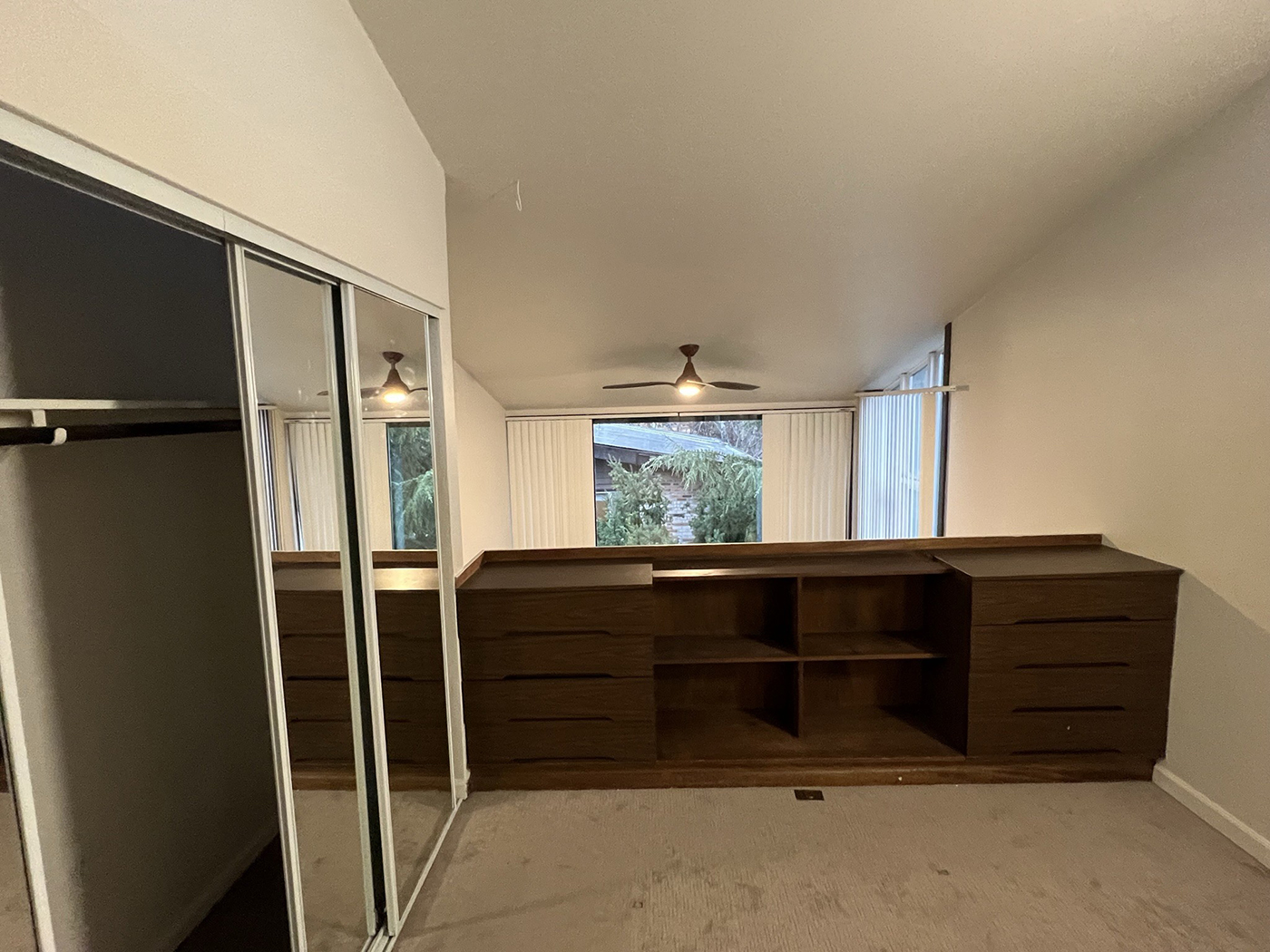
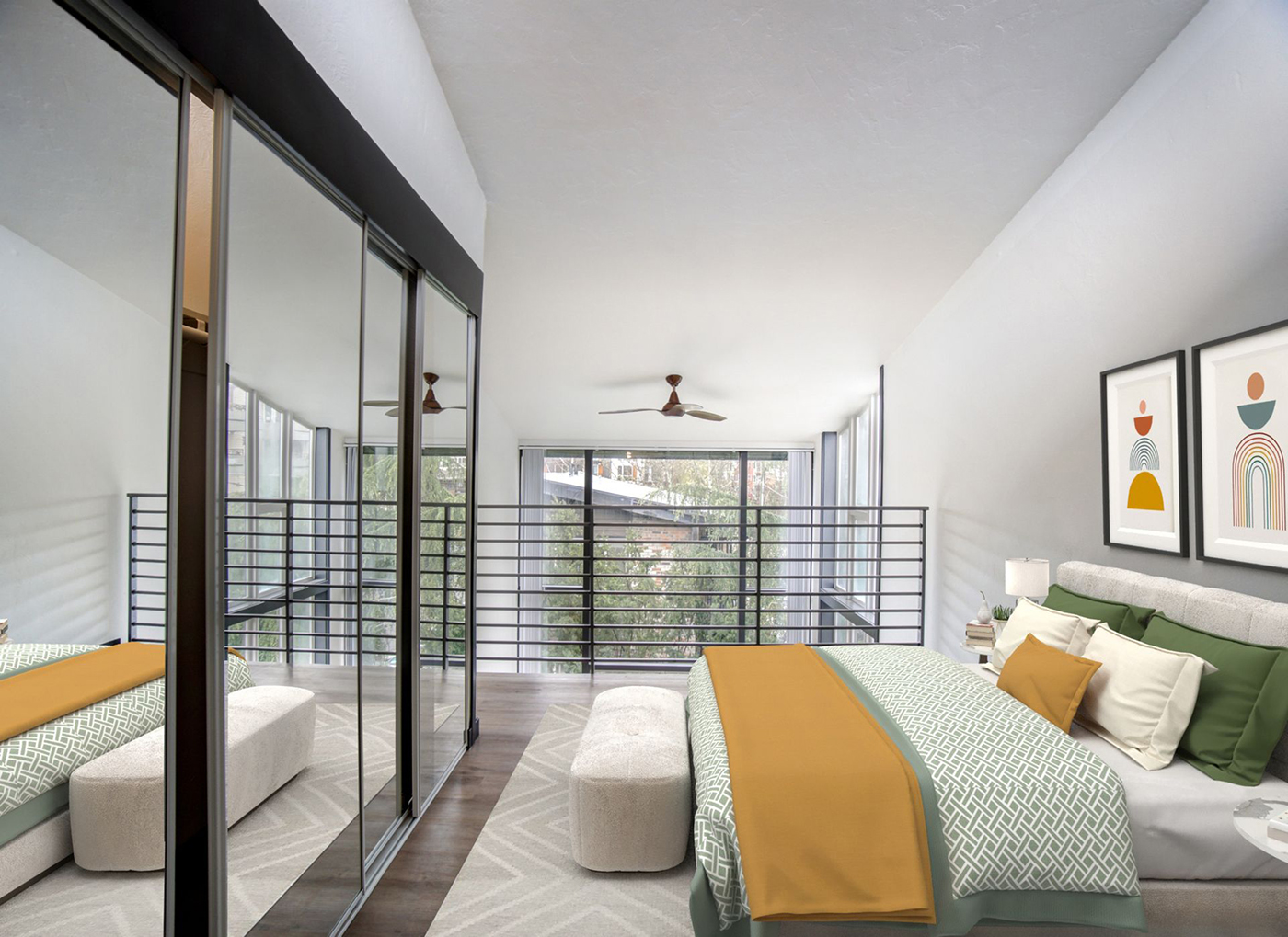
The interiors felt boxed in, with closed kitchen layouts and dated built-ins. Exterior improvements included fresh paint, updated light fixtures, and cleaned breezeways. Inside, we refreshed the aesthetic with new flooring and paint, replaced old appliances, opened up the kitchen layouts to support a more open and livable design, and removed built-ins in the loft bedrooms to create a brighter, more contemporary feel.
The result is a property with renewed energy and relevance. And Thunderbird is now a high-performing asset that reflects our long-term approach to reinvestment and thoughtful upgrades.
This theory can also be seen at The New Carroll Apartments, a 100-year-old building where we’ve taken a careful approach to interior updates. In addition to in-unit refreshes, we modernized the lobby with new carpet, paint, furniture and fixtures that honor its historic charm while making it feel current and welcoming.
DEVELOPMENT AS STEWARDSHIP
For us, this approach isn’t just about buildings, it’s about values. We believe in preserving the character of neighborhoods, honoring the craftsmanship of earlier generations, and investing in properties that can continue to serve communities well into the future.
We’re inspired by the long-term thinking that shaped Seattle’s built environment. Lyman Smith didn’t build Smith Tower to flip it, but to last. R.D. Merrill’s timber holdings were managed with generational foresight. Cyrus Clapp and David Skinner understood the power of strategic land ownership and civic engagement. William Pigott and Mark Reed built infrastructure that supported entire industries. Their work was grounded in permanence, not expedience.
While our approach looks different today, the values behind it are familiar. We’re guided by a belief in long-term stewardship, evaluating each property for its financial potential, historical context, community impact, and environmental footprint. We believe that real estate is more than a transaction — it’s a responsibility. By reinvesting in existing buildings and solving for code and comfort rather than starting from scratch, we aim to create spaces that remain relevant and valuable over time.
Seattle has always been a city shaped by resilience and reinvention. We believe progress doesn’t mean starting over; it means building on what’s already here.
Jordan Lott is president and CEO of Lake Washington Partners.
Other Stories:


