 |
Subscribe / Renew |
 |
Contact Us |
| ► Subscribe to our Free Weekly Newsletter | |

Construction Bids
| home | Welcome, sign in or click here to subscribe. | login |


 print print  email to a friend email to a friend  reprints add to mydjc reprints add to mydjc |  |
 |
March 27, 2025

Haines
|
inally, in 2025, our Pacific Northwest cities are emerging from the challenges of the immediate post-COVID era. Characterized by low utilization of our central business districts, available retail storefronts, and the remaining effects of a general lack of citizen presence and accountability in our downtowns, we are seeing life not just return to our cities, but the “green shoots” that suggest we are turning the corner from surviving to thriving.
Challenges remain, just as they always had, as cities grapple with adapting to policy changes, behavioral shifts, population growth, shifting employment models, housing scarcity and affordability, tax base erosion, aging infrastructure, and significant shifts in demand in our real estate ecosystem. It’s a time to assess what we want from our cities and how we will move forward toward that goal.
There are signals of change in many cities that will define the future of our downtowns, though their relevance and impact will continue to differ from one city to the next. At Gensler we recently published our 2025 Design Forecast spotlighting five transformative forces set to shape the future of urban life, emphasizing human-centered, adaptable spaces and a shift toward resilient urban environments.
1. Experience-driven lifestyle districts reignite global cities
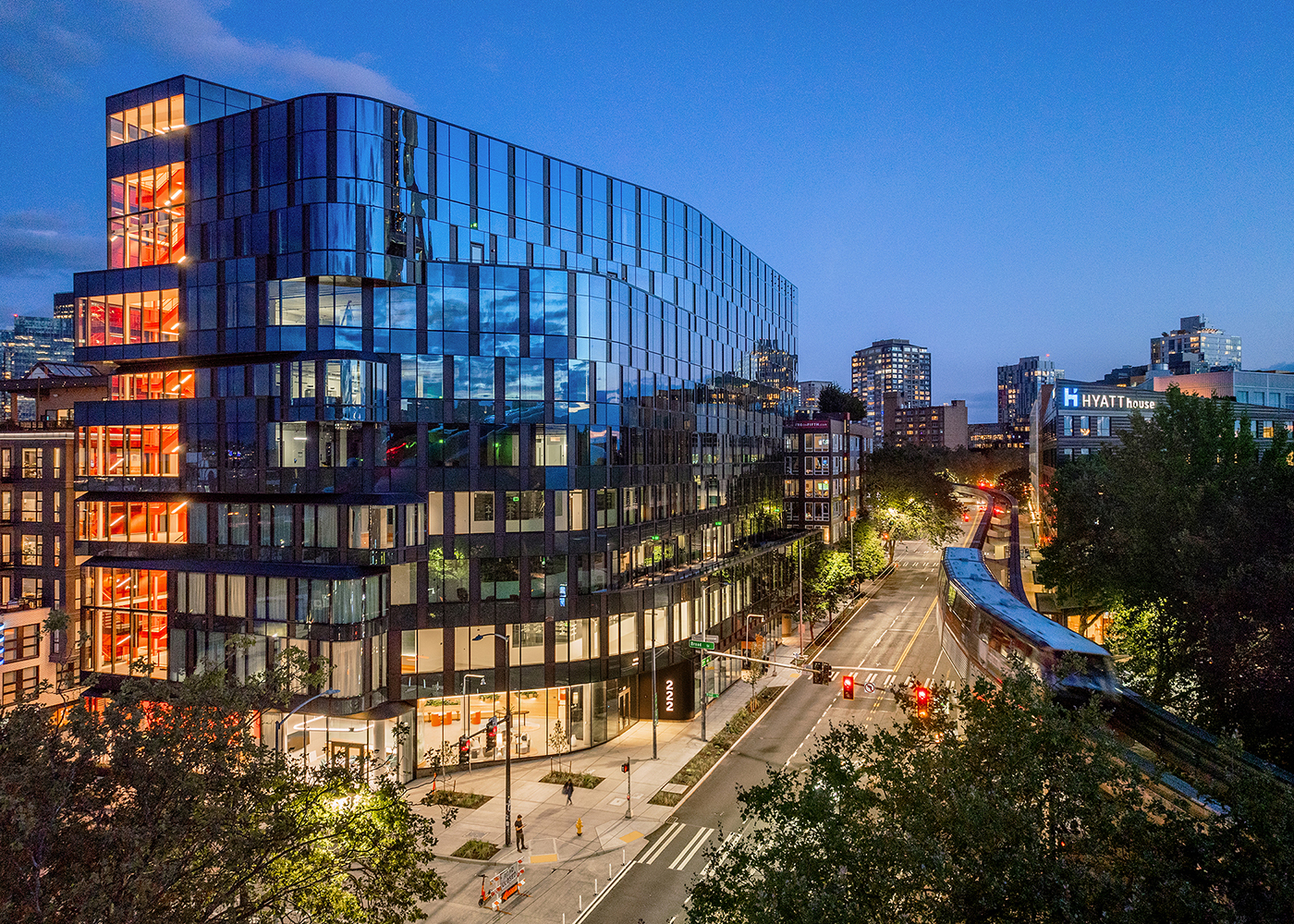
Mixed-use lifestyle and entertainment districts will take center stage in 2025 as the new anchors for cities looking to drive community engagement and bring people together around visceral shared experiences. Hospitality, retail, sports and residential spaces make up the mix of these experience-driven areas, whose rise is also driving demand for safe streets and reliable transit options.
While central business districts were historically the heart of a downtown, the shift in our work patterns left many of them less able to provide the critical mass of activity needed to anchor the arts, retail, entertainment, dining and tourism that make cities healthy.
While the Seattle metro area has historically seen less mixed-use development than other adjacent markets, a focus on creating new and continuing to expand existing mixed-use lifestyle and entertainment districts in Seattle is critical, including around our sports venues, neighborhood centers, retail nodes, and specifically in our downtown office buildings. These districts go beyond traditional retail and residential spaces by creating immersive destination environments where people can live, work, play, and connect in a seamless, integrated way.
By incorporating art galleries, performance spaces, and great food, these areas attract both locals and visitors seeking unique, layered and shared experiences. They align with Seattle’s broader goals of promoting livability, inclusivity, and environmental responsibility, while also offering new opportunities for social and economic development.
2. Sustainable design supercharges innovation, values
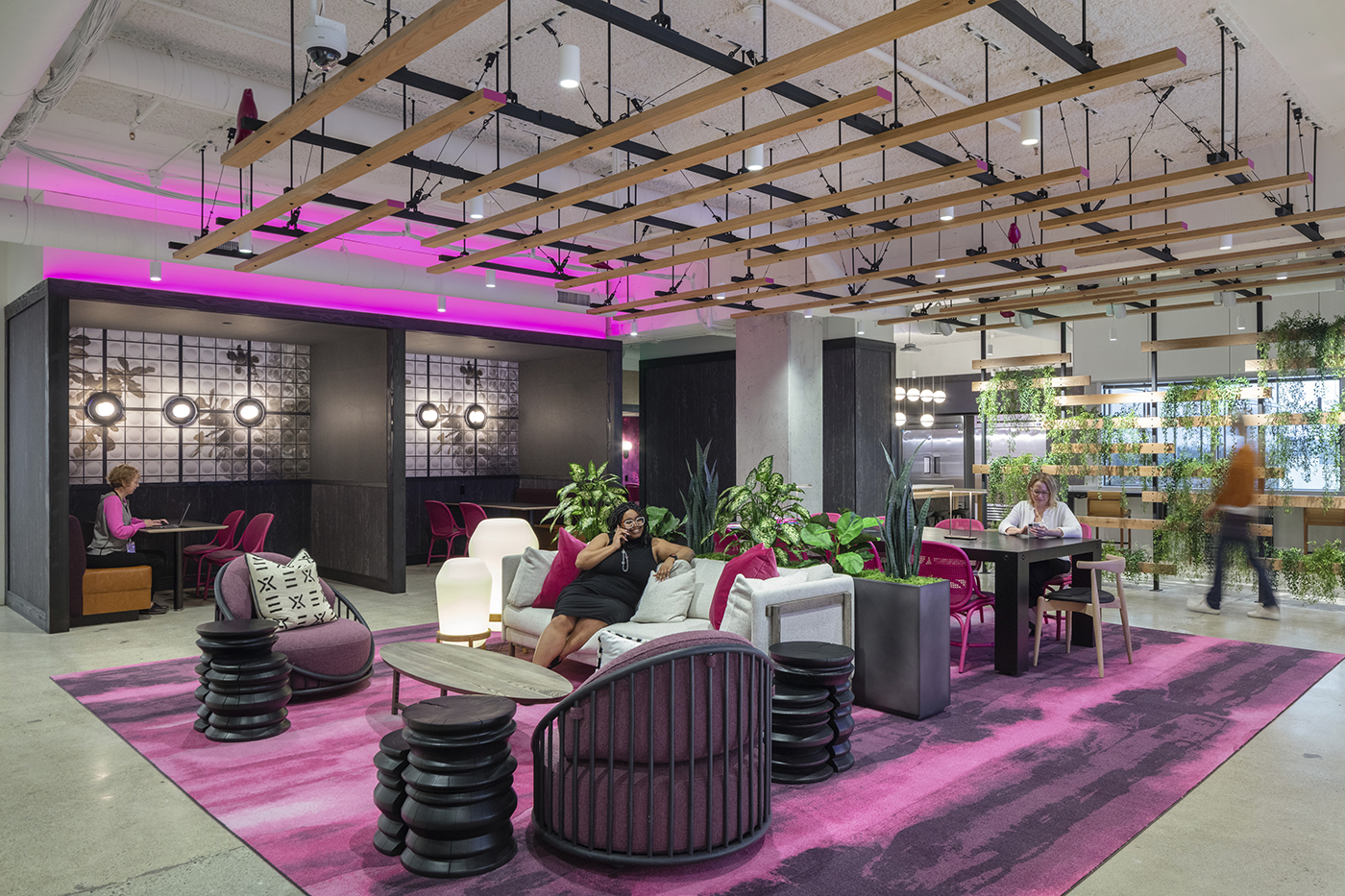
With organizations everywhere increasingly wary of climate risk, buildings designed with resilient and sustainable strategies are trading at premium values. This sustainable surge is also driving demand for game-changing innovations in construction processes and the materials industry. Adaptive reuse of old buildings, energy-efficient designs, weather-scenario planning, and other green techniques are anticipating local climate challenges while lowering waste and carbon. Solutions such as mass timber, low- or no-carbon interior finishes and furnishings, and zero-carbon cement are leading a materials revolution.
The growing demand for sustainable design in Seattle, driven by our region’s love for stewardship, and innovation and expressed through our tenants and residents willing to pay a premium for innovative and sustainable places, is pushing developers, architects, and city officials to explore and support the integration of new technologies and creative approaches that minimize environmental impact while enhancing urban livability. From net-zero energy buildings to green roofs and solar-powered operations, the city’s focus on sustainability is pushing boundaries in design and construction, making Seattle a leader in the development of resilient urban spaces. Green spaces and sustainable public amenities improve the quality of life for everyone, particularly in underserved communities.
3. Deeply discounted buildings drive conversion boom
With aging office buildings and other devalued assets trading at deeply discounted rates, the adaptive reuse boom is poised to create valuable new real estate beyond just office-to-residential conversion. As the cost of capital comes down, 2025 will usher in a new financial environment that will inspire developers to seek out creative conversions of all types, including retail to healthcare, retail to sports, office to senior living, office to science labs, and more.
The promise of conversions to rebalance the utilization of existing buildings to match the new demand profile and solve our housing shortage has been slower to emerge than we would like. As significant as our office vacancy is, we live in a region with so many attractive qualities from globally respected talent, beautiful natural surroundings, thriving arts, sports & entertainment, and a great food ecosystem. This fundamental strength and the optimism it affords us has tempered the decline in building valuations that are fueling the conversions in other markets.
Recent tax abatement and city development process streamlining is helping to make more conversions a reality. By converting older office buildings, warehouses, and industrial structures into mixed-use residential, commercial, and entertainment spaces, developers can meet the growing demand for housing in urban areas without the high costs associated with new construction. Developers, near and far, are taking notice of the opportunity in our city. With subtle changes in the financial markets, we will see these revitalizing projects start to pencil and move towards realization.
4. Talk turns to action on attainable housing
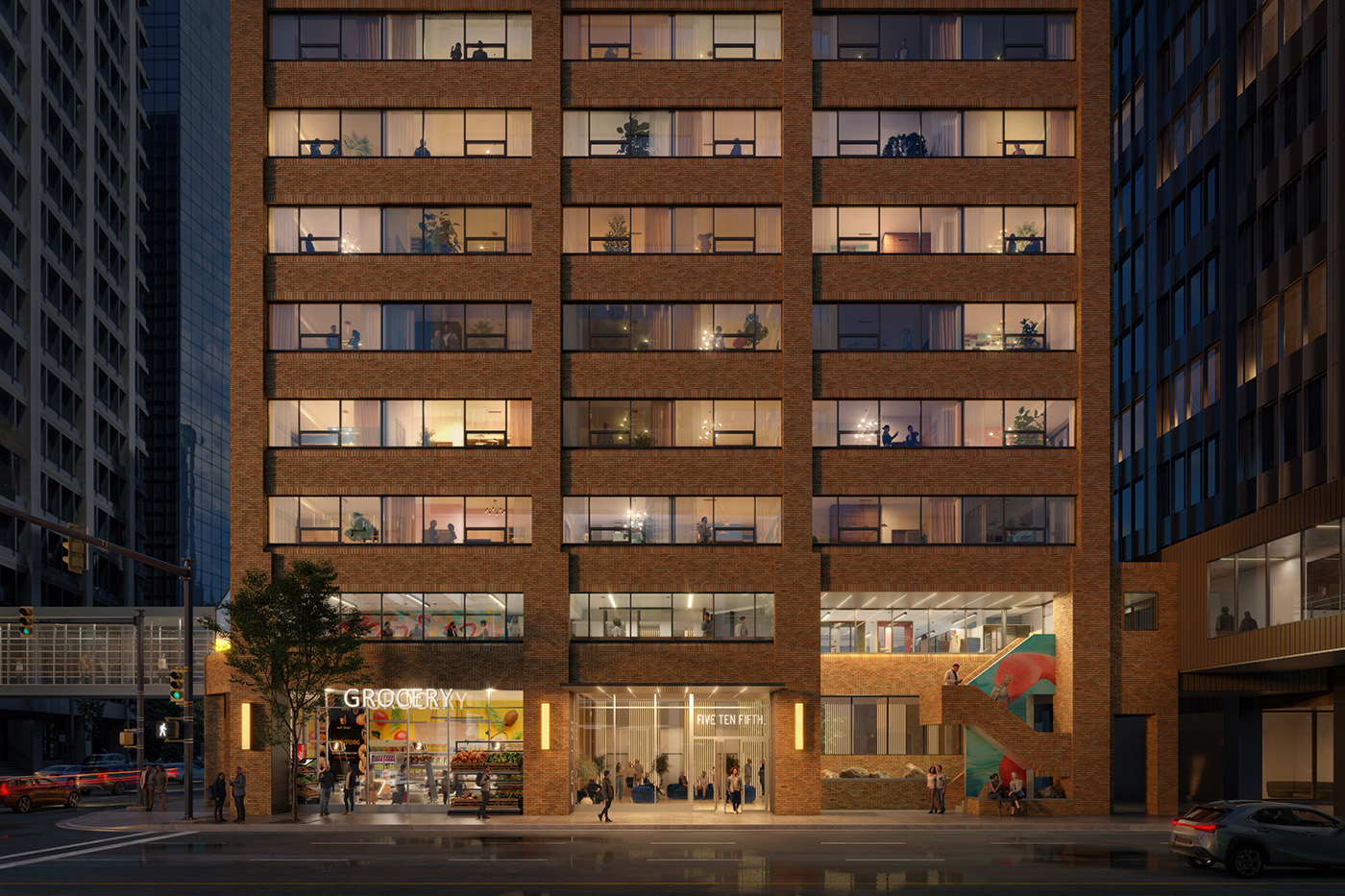
Attainable market-rate housing becomes the number one priority for cities around the world in 2025 as new financial incentives and lowering interest rates converge with changes to zoning laws and building codes to create an attractive market for housing developments of all types.
The ongoing conversation around attainable housing has shifted to action, as city leaders, our largest employers, developers, and community organizations increasingly prioritize the creation of affordable housing for residents at various income levels. Local government has implemented policies that encourage the construction of more attainable housing options. The public and private sectors have come together to fund and implement innovative housing solutions, including modular homes, micro-apartments and adaptive reuse of older buildings. In exchange for increased development limits, developers are increasingly embracing projects that incorporate affordability alongside market-rate units, ensuring that new developments serve diverse communities.
5. The workplace of the future has arrived
The future workplace is here now, and it’s all about employee experience, inspiration, and the value proposition realized by building owners and developers. In 2025, tenants will continue their flight to quality in search of workplace experiences that motivate employees and meet their professional aspirations. Landlords looking to compete must be laser focused on transforming their spaces into fully amenitized, Class A buildings close to transit and within the 20-minute lifestyle mix.
For some time, the Seattle office market has been driven by the expectations of our Tech workforce. Owned and leased buildings alike feature more of a mixed-use, experience-driven approach to space including creating space for small businesses to serve key roles in the daily ecosystem for their employees. Multi-tenant landlords understand the expectations of the non-Tech business sector have followed and that shared building amenities are less about ping-pong and more about healthcare options, childcare, healthy food, nearby entertainment, access to transit, and connections to professional networks.
A diversity of support space types with differing lighting, aesthetics, postures, and size empowers employees to be successful in their work mission, which is closely tied to satisfaction and engagement. These are the new amenities — those that help us thrive in times of change. More landlords are also thinking beyond their own properties to invest in these amenities in the urban fabric rather than behind security turnstiles. This is good for our cities.
We are at a defining moment for our cities, where bold ideas and inventive solutions are needed to reshape the human experience. I’m inspired by the potential of design to create a more sustainable future that truly connects with and empowers people in impactful ways, and I look forward to the partnerships we’ll forge to make it happen.
Ryan Haines is a Principal at Gensler in Seattle focused on partnering with local and global clients to prepare for the future.
Other Stories:


