 |
Subscribe / Renew |
 |
Contact Us |
| ► Subscribe to our Free Weekly Newsletter | |

Construction Bids
| home | Welcome, sign in or click here to subscribe. | login |


 print print  email to a friend email to a friend  reprints add to mydjc reprints add to mydjc |  |
 |
June 25, 2026

Sierra
|
Higher education institutions across Washington state are navigating a moment defined by instability, financial strain and rapidly shifting student expectations. Local universities and colleges are confronting headwinds in declining enrollment, tightening budgets, workforce pressures and the accelerating impact of AI.
Institutions are now pushed to rethink not only how they operate, but how their physical environments support the value of learning, community, and long-term resilience in managing change.
Gensler’s Design Forecast 2026 situates these challenges within a broader landscape of transformation, where agility, human-centered innovation, and data-driven intelligence are becoming essential design tools. The forecast highlights three trends. These show how institutions must respond to the demographic cliff, economic uncertainty, and technological disruption by creating adaptable, experience-rich, and future-ready spaces that can evolve alongside changing student needs and societal expectations.
1. Learning is no longer linear, and neither is the campus.
Education is modular, customizable and continuous. As students earn degrees, they also collect various skills. Campus spaces evolve into flexible ecosystems that support everything from micro-credentials to business incubators to lifelong learning hubs.
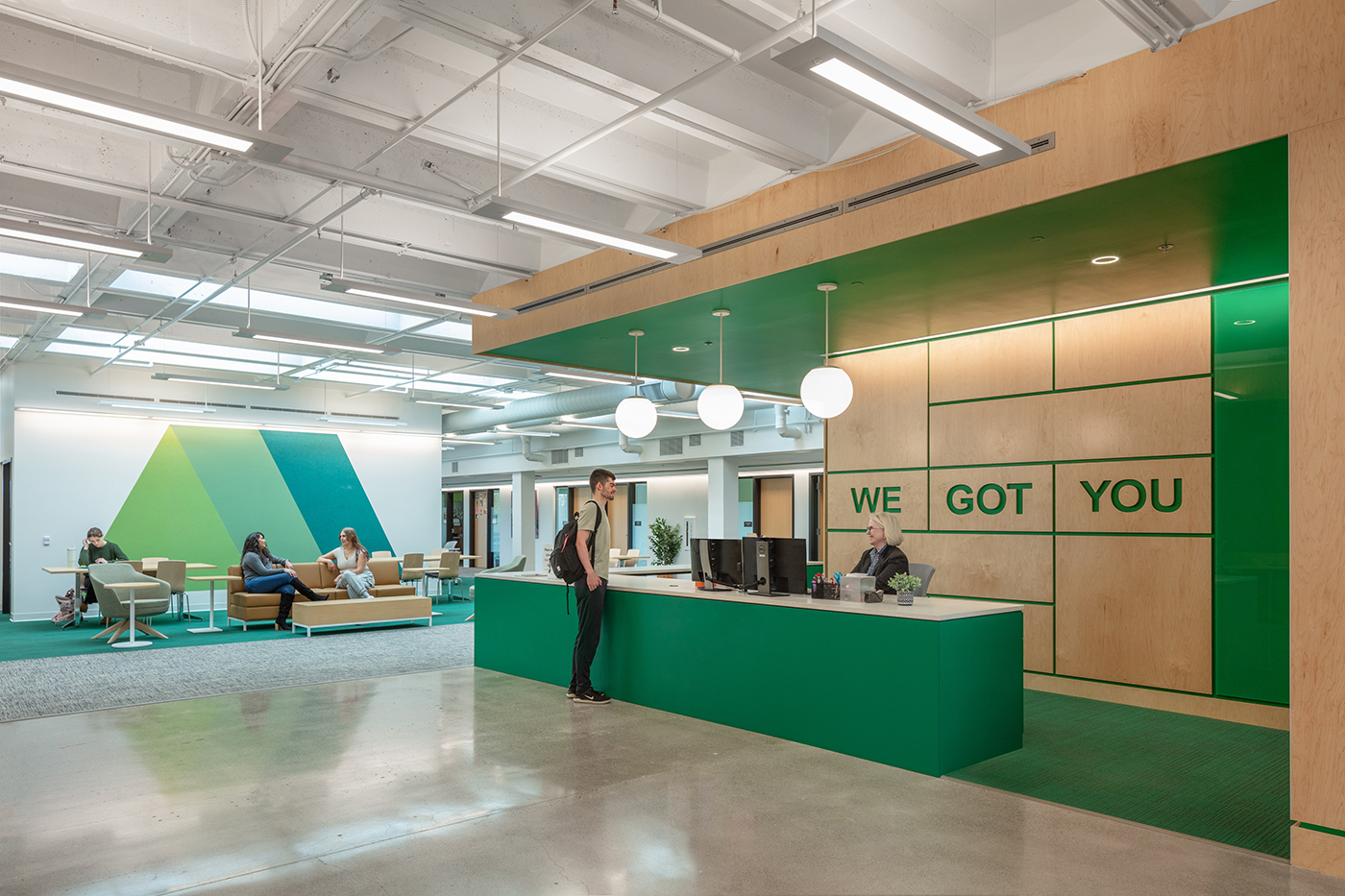
By transforming traditional academic spaces into adaptable environments that accommodate everything from interdisciplinary collaboration to entrepreneurship and lifelong learning, universities can better respond to fluctuating enrollment, emerging workforce needs, and rapid technological change. This trend encourages institutions to rethink their physical footprint, repurpose underutilized areas, and design spaces that can shift between teaching, innovation and community engagement. Ultimately, it positions institutions across Washington state to remain agile, future-ready, and deeply connected to the state’s evolving economic and social landscape.
As students’ identities, goals and career paths are increasingly fluid, universities must design experiences that adapt to this reality. For Washington state universities and colleges, this means creating environments that support exploration, pivots, and nonlinear progress rather than assuming a straight path from enrollment to graduation.
Advising spaces, learning hubs, and digital ecosystems need to help students track evolving skills, experiment across disciplines, and re-enter education throughout their lives. By embracing this trend, campuses can better serve diverse learners, reduce friction during academic or career transitions, and cultivate a more resilient, personalized student journey that aligns with the shifting demands of Washington’s workforce and economy.
2. Campuses reshape to cultivate human connection amid ongoing AI infiltration.
As AI personalizes instruction and automates rote learning, campuses must do what AI can’t: foster collaboration, community and creativity. Libraries, incubators, maker spaces, and other campus “third spaces” prioritize hands-on, project-based, and team-driven work, and underscore the social experience of learning.
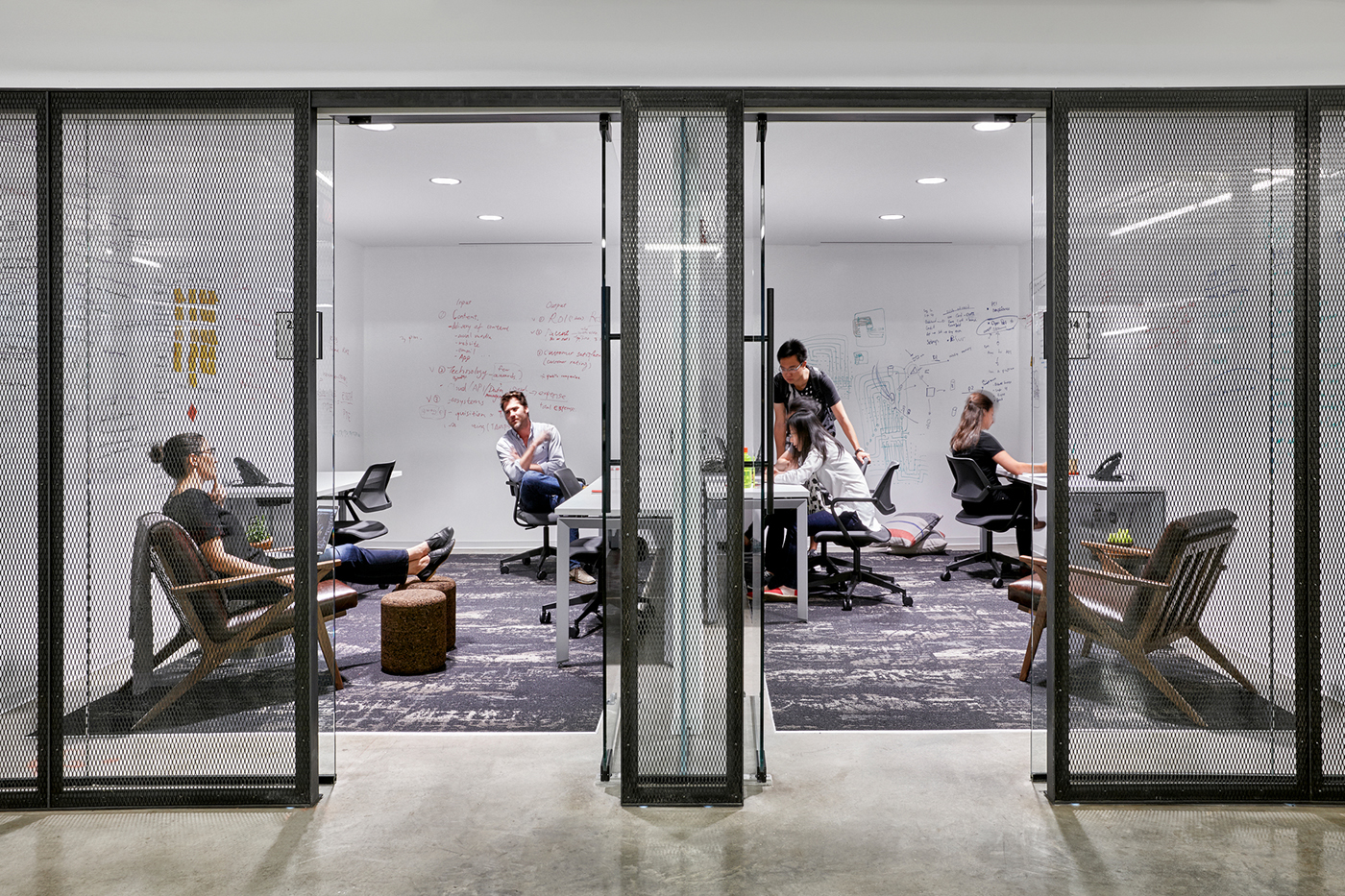
As AI becomes more embedded in instruction, assessment and administrative workflows, this trend pushes higher education institutions to double down on what makes a campus irreplaceable: human connection, collaboration and creativity. By reshaping libraries, studios, incubators, and maker spaces into vibrant “third places,” universities can create environments where students work shoulder to shoulder on complex, interdisciplinary challenges that AI can’t solve alone. These spaces can become magnets for community, industry partners, and research teams, reinforcing the universities’ roles as hubs of innovation.
This outcome also aligns with the insights from Gensler’s Education Engagement Index, which points to the same core truth: students are most engaged when they feel connected — to people, purpose and place. The surveys completed in 2021 and 2023 show that students still value the aspects of campus life that technology cannot replicate — meaningful relationships, collaborative energy, and environments that spark creativity.
In a moment when digital tools risk isolating learners, Gensler’s design trend encourages universities and colleges to cultivate belonging, spark spontaneous collaboration, and strengthen the social fabric that keeps students engaged and resilient, ultimately enhancing the value of the on-campus experience in an AI-saturated world.
3. Top university brands are global, urban and entrepreneurial.
Higher ed expands across borders — both physically and economically. From boutique campuses in global cities to the business of sports to academic science and research partnerships, institutions capitalize on their brand identity for economic impact.
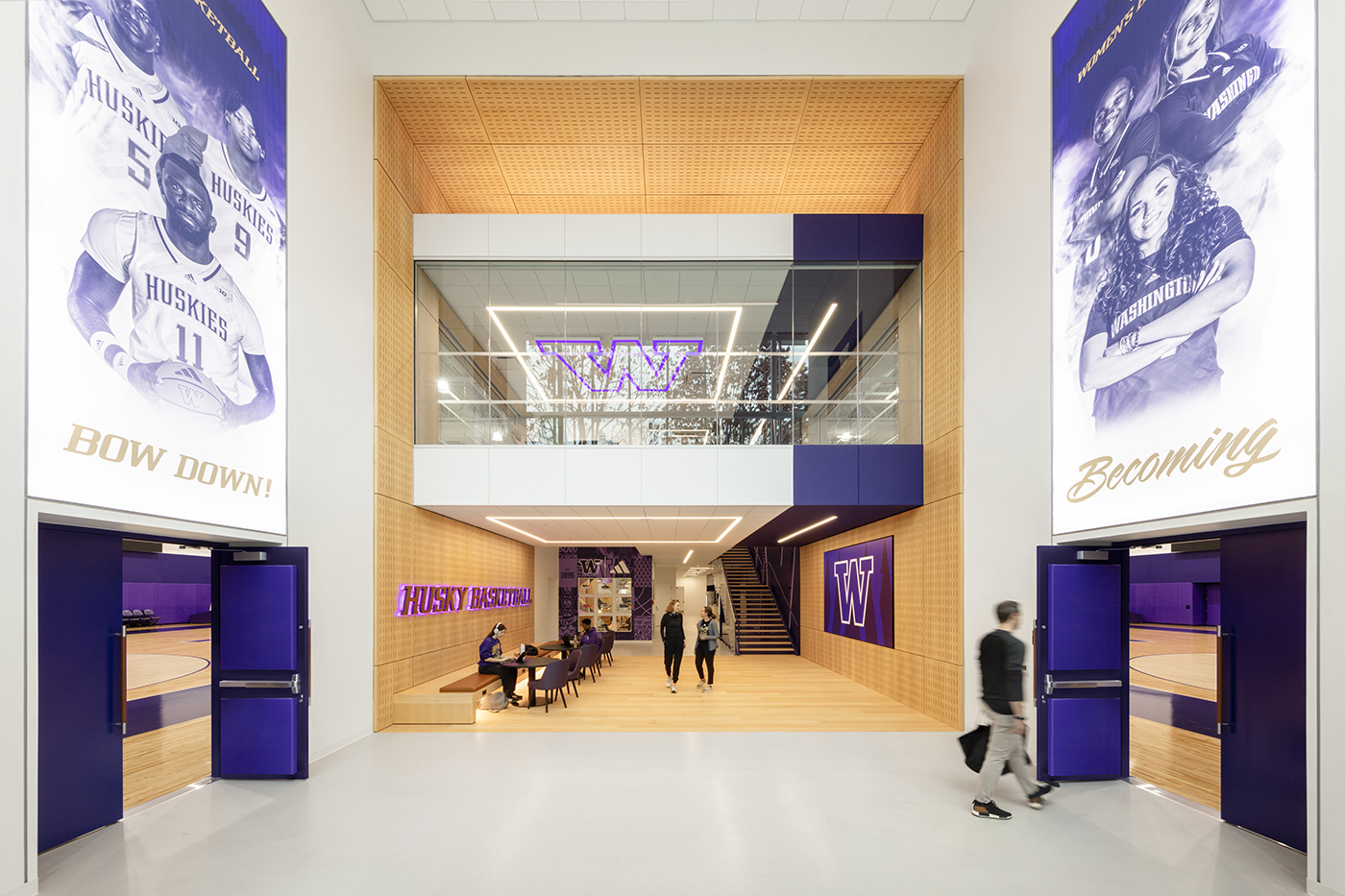
This design trend encourages universities and colleges to think broader about their brand’s footprint and help Washington state institutions better navigate enrollment pressures, funding uncertainty, and industry economic alignment. By expanding an institution’s presence beyond traditional campuses through global partnerships, boutique satellite locations, and cross-border research networks, it can diversify revenue streams and attract a broader student population. Many of Washington state’s institutions have urban footprints in Seattle, Spokane, Everett, and the TriCities, which may become stronger strategic assets, enabling deeper integration with industry partners, easier access to talent pipelines, and opportunities to create mixed-use innovation districts that blend research, housing and community engagement.
At the same time, embracing an entrepreneurial identity allows higher education to amplify their roles as economic engines for the state’s talent pipeline. Investments in incubators, accelerators, maker spaces, and commercialization pathways strengthen ties to Washington’s major industries — from tech and aerospace to agriculture and clean energy — while generating new funding sources through partnerships and intellectual property. Even athletics becomes part of the brand ecosystem, helping build visibility, alumni engagement, and economic impact.
Together, these strategies help universities remain resilient, competitive, and deeply connected to the evolving needs of Washington’s economy and global landscape.
As Gensler’s Seattle Education Practice Area Leader, Francesly Sierra focuses on creating new models that support the student experience and inspire the next generation of innovators.
Other Stories:


