 |
Subscribe / Renew |
 |
Contact Us |
| ► Subscribe to our Free Weekly Newsletter | |

Construction Bids
| home | Welcome, sign in or click here to subscribe. | login |


 print  email to a friend  reprints add to mydjc |  |
 |
November 19, 2026

Bourey
|
Sustainable building means many different things to people depending on their perspective and particular interest. Some may be focused on the energy consumption of buildings, others may be more interested in the materials used, and yet others could be more interested in mixed-use to reduce greenhouses gases generated by automobile travel.
For an inclusive and comprehensive view of sustainable building, one must examine the fundamental questions of what, where and how. That is, what is built, where buildings are located and how the structures are designed. All three have a major impact on the degree of sustainability of our built environment.
Where is especially critical for the consumption of energy. A pattern of low-density single-family residential built at a distance from employment centers consumes tremendous amounts of energy for transportation.
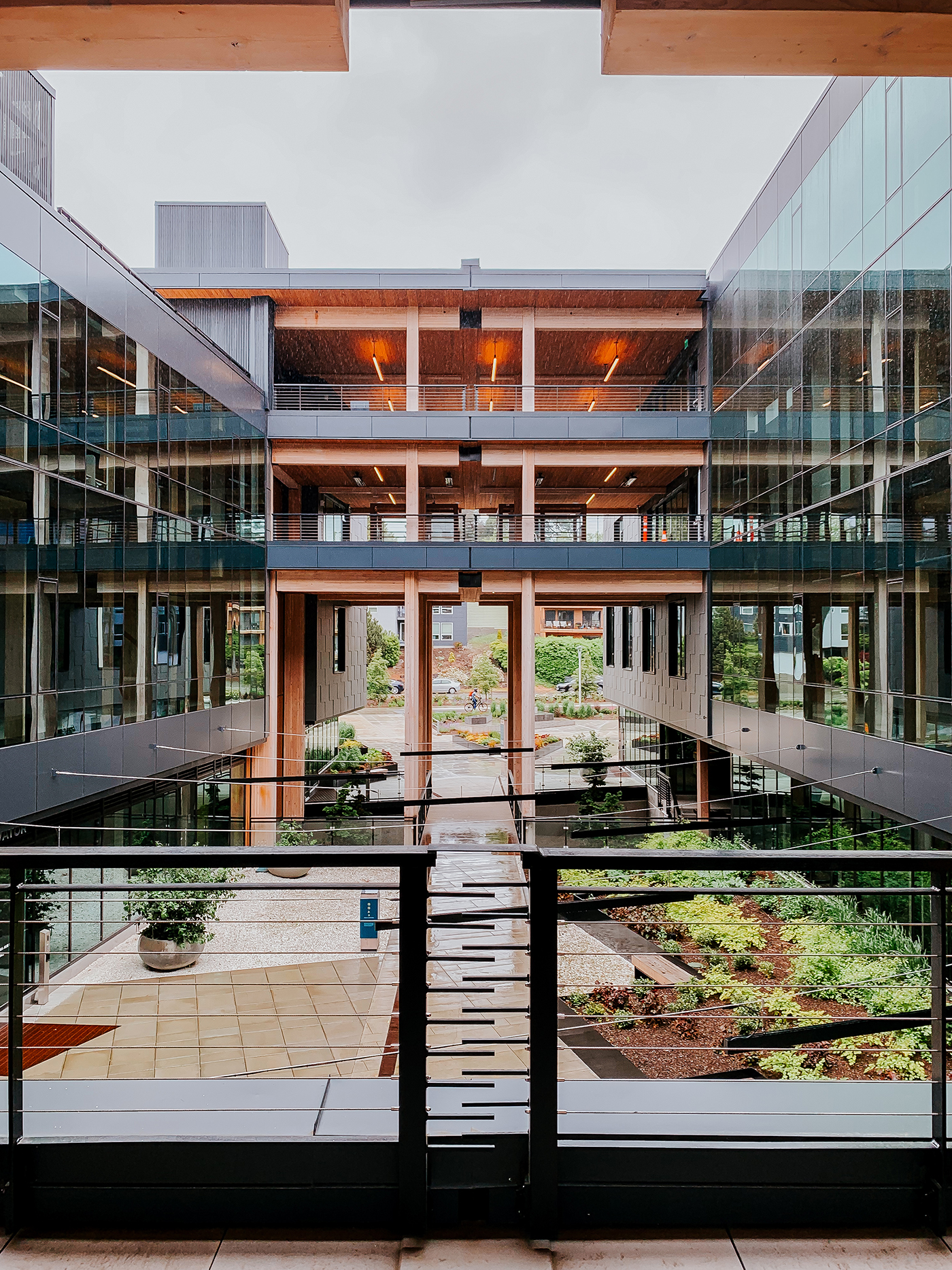
What is also vitally important. For instance, building predominately single-use structures increases the need for people to travel from place to place. Finally, the how tells us about the consumption of renewable or nonrenewable resources as well as the energy consumption of a building’s operation.
For many years, people have recognized that the pattern of sprawling residential development, spreading well beyond central employment in downtowns or manufacturing or office concentrations, consumes tremendous amounts of energy for transportation and produces great amounts of greenhouse gases. Reversing this highly consumptive pattern requires not only locating residential areas closer to employment centers but also increasing densities, which bring more people closer to their desired destinations.
Even more energy can be conserved if uses are mixed, and people can be closer not only to where they work but also to where they shop, go to school, and do other essential activities. This would also conserve the amount of land that is consumed by development. Notwithstanding those who would have us inhabit the moon or other planets; there is indeed a limited amount of land on Earth.
Much has been studied and written about the sustainability gains that can and indeed have been made in the use of materials in buildings. The use of renewable materials has made great strides. The growing use of mass timber construction is just one notable example.
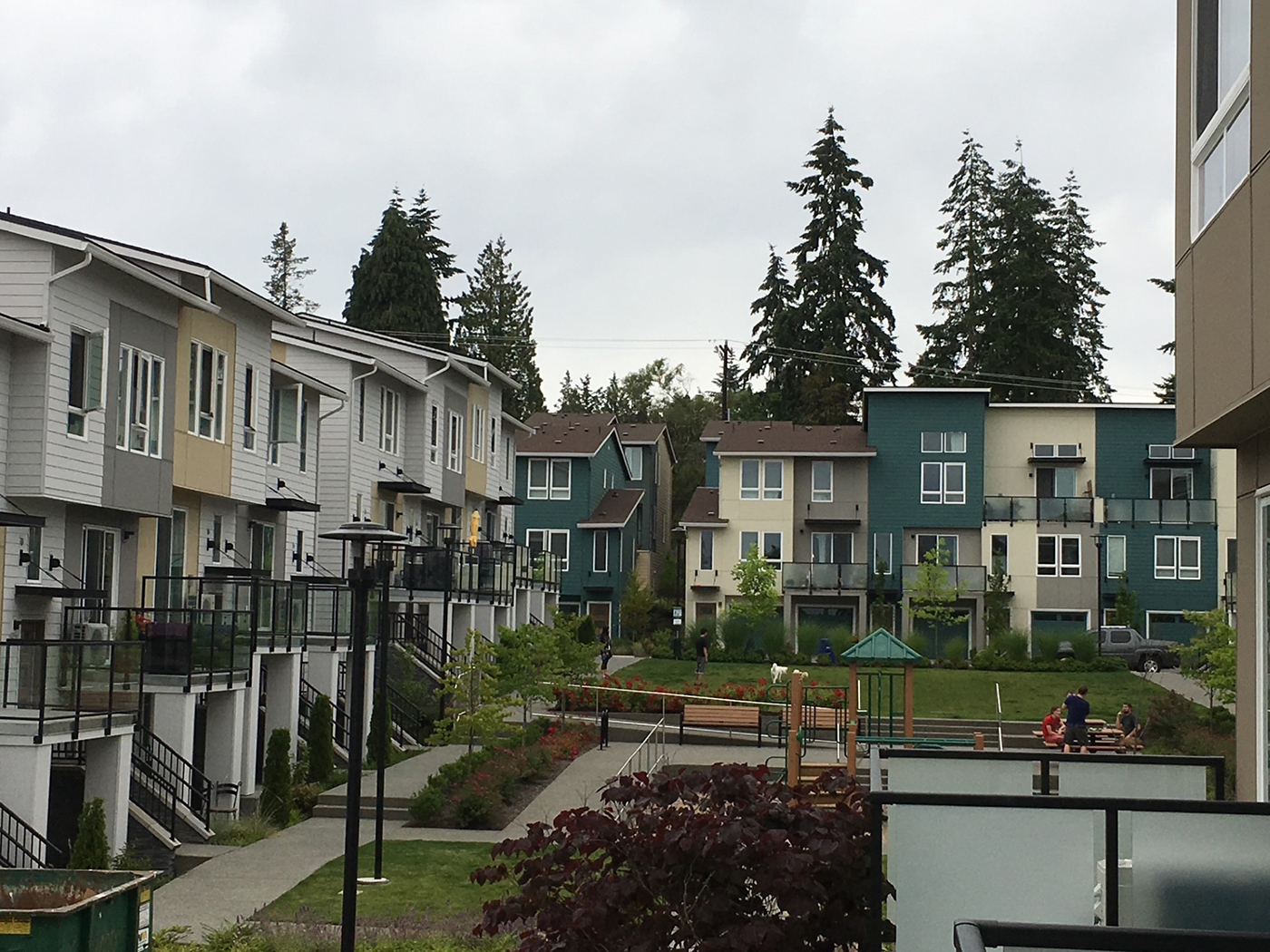
Beyond the use of materials that are renewable (a supply can be continuously produced), sustainability must consider what happens to the materials that go into a building after it has outlived its usefulness — at least in the eyes of those that want to build something else. Incorporating materials that can be reused or recycled will create a much more sustainable future. The concept of considering the life cycle of the materials in the products we produce was so eloquently presented in a terrific book, Cradle to Cradle by William McDonough and Michael Braungart.
Another important consideration that has gained significant traction in the past few decades is energy consumption in buildings. Throughout history, before mechanical air conditioning, building designs responded to the climate through the use of materials and building orientation, among other ways to naturally keep buildings cooler in the summer and warmer in the winter. We have had to relearn those techniques while also learning how to reduce energy consumption through technological advancement like solar energy cells.
Does this lead us to an escapable question? If we follow these directions for sustainable building, we will create an environment that is acceptable but embraced by people. I would argue that these principles can be followed and still lead to a built environment with a truly high quality of life and, in fact, one that will enrich people’s lives.
Researchers and urban planners have long examined the social isolation associated with low-density suburbs. Many believe that increasing human interaction leads to more fulfilling lives. The vibrancy and connectedness of denser living patterns can be a counter to that social isolation.
Some may see using an automobile to travel anywhere one wants as freedom. However, it is hardly freedom to be stuck in an endless gridlock. Alternatively, many embrace the idea that public transit takes you where you want to and frees you from dependence on the automobile. There is the added benefit of reduced commuting times, which frees up time for more productive and enjoyable activities.
When the densities and mixture of uses can help bring people together it makes walking and bicycle riding a viable alternative. This has an added health benefit. It also makes transit services more feasible, further reducing the amount of vehicle miles traveled, and the emissions that comes with those miles.
Creating neighborhoods of higher density for everyone from families to couples to single people, can be accomplished through good design. Exciting mixed-use, vibrant communities can be created by good design. Integrating housing, community services, schools and employment can be done through careful design.
At the Seattle Architecture Foundation, we believe that people shape the built environment and it, in turn, plays a significant role in shaping our lives. Great design really matters and is important to everyone. Our tours, lectures and workshops seek to bring this message to city residents. When the public understands the role design plays in their lives, they will want to play an active role in creating their own city.
Jim Bourey is the executive director of the Seattle Architecture Foundation, a past city planner, and the author of three books and over 40 professional articles on managing cities.
Other Stories:


