 |
Subscribe / Renew |
 |
Contact Us |
| ► Subscribe to our Free Weekly Newsletter | |

Construction Bids
| home | Welcome, sign in or click here to subscribe. | login |


 print print  email to a friend email to a friend  reprints add to mydjc reprints add to mydjc |  |
 |
August 27, 2026

Jones
|
I had the good fortune of receiving World Cup tickets the day before the Egypt vs. Belgium match in Seattle. The match was scheduled for noon on a workday, and I had meetings until 11:30 a.m. I closed my computer right on time and headed out on foot from my downtown office, walking two blocks to the light rail station.
By noon, I was in my seat at Lumen Field (rebranded as Seattle Stadium during the tournament), immersed in the global jubilation of the world’s most iconic sporting event. A couple of hours later, I was making my way back downtown on foot, carried along by the energy of the international crowd. I was back at my desk and working again by 3 p.m.
Seattle has been, and continues to be, serious about transit-oriented development (TOD). The light-rail expansion program known as ST3 is one of the largest in the country. Trains are clean and modern, feel safe, and run frequently. Streets are designed to support pedestrians, bicyclists, micromobility users, buses and cars. Blocks are scaled for walking, crossings are manageable, and building frontages and street trees create a comfortable, human-scaled experience. Development is actively supported in station areas.
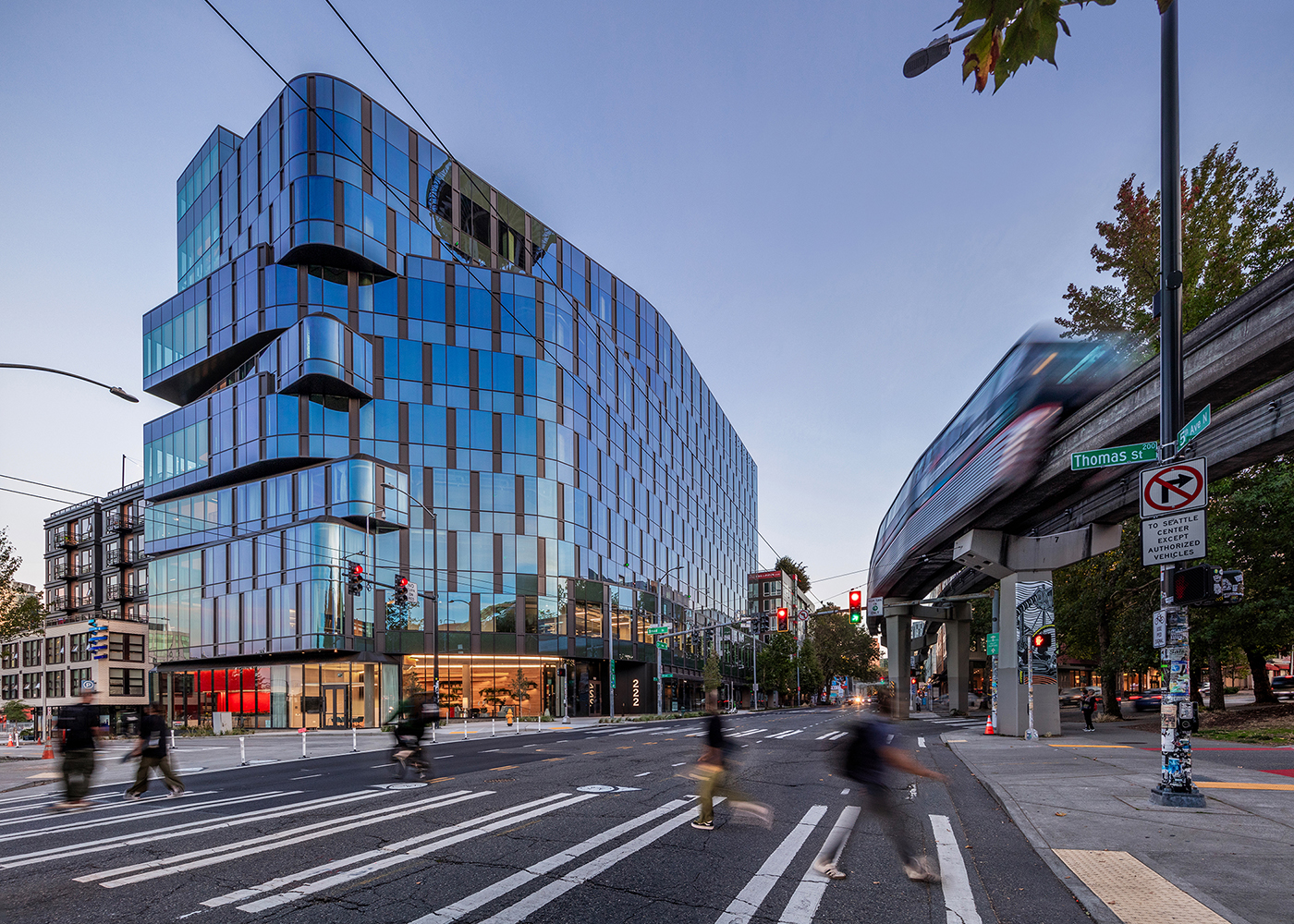
This all matters, a fact reflected in our extensive monitoring of fan experiences at World Cup matches. Time and again, people’s experiences of major urban events are shaped by how they move to, from, and through the cities that host them. Lumen Field, located in a highly walkable and transit-connected downtown, is so easy to access that there was no need to plan my trip.
I expected it to be easy, and it was. In fact, it was enjoyable. The excitement built during the short walk to the stadium, and multilingual celebrations filled the streets afterward.
Not surprisingly, Lumen Field was recently ranked the top World Cup venue by The Athletic (tied with Atlanta’s Mercedes-Benz Stadium), whose reporters evaluated match experience, atmosphere, aesthetics, transportation, and location across all host cities.
What’s interesting is how much the journey to and from a venue shapes the experience of the venue itself. Many stadiums on The Athletic’s list received low scores for transportation and location. Numerous articles chronicled the cost and challenges of simply getting to matches in those cities. Even the best venue experience is diminished when a stadium sits far outside the urban core or lacks reliable transit connections.
Lumen Field and adjacent T-Mobile Park anchor a downtown that functions with remarkable ease. As we increasingly seek in-person events and experiences, perhaps as an escape from our digital lives, integrated sports and entertainment venues play a critical role in supporting downtown “stickiness,” Gensler’s measure of a downtown’s appeal as a destination.
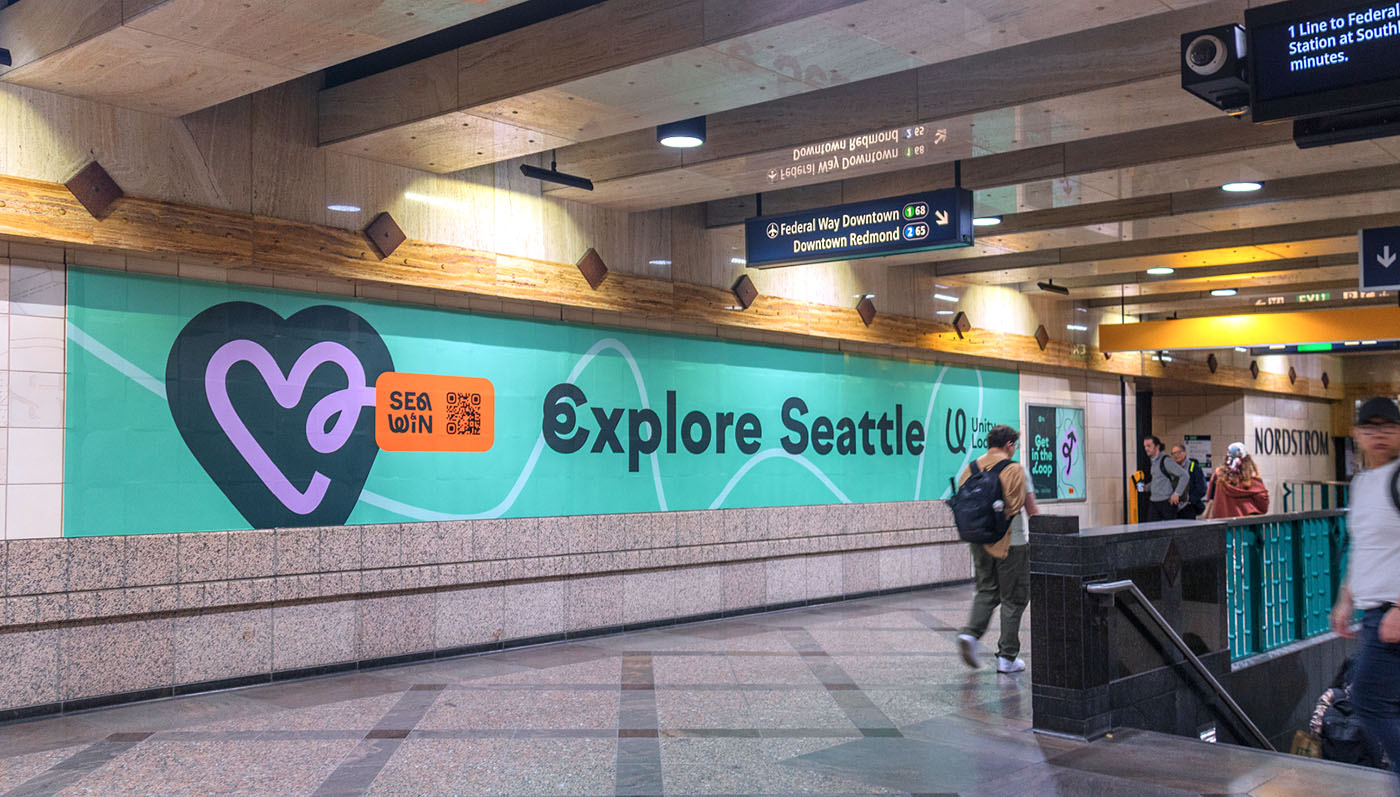
Gensler’s 2026 City Pulse Survey ranks downtown Seattle fourth nationally in stickiness, reflecting how often residents visit and how long they stay. One of Seattle’s strongest assets is its transit system: 76% of Seattle respondents reported satisfaction with public transit, compared with 58% nationally.
Many World Cup visitors were impressed by how easy it was to reach matches and fan zones without a car. According to reports from Sound Transit, Seattle’s downtown location, walkability, waterfront, and Link light rail connections were repeatedly highlighted as strengths. Record transit usage during the tournament suggests that large numbers of visitors successfully relied on public transportation.
The highest reported transit ridership occurred on July 6, for the United States vs. Belgium match, when Sound Transit Link light rail carried approximately 309,000 riders, setting a new single-day record for the system. Sound Transit also reported a monthly ridership record of 5.4 million boardings in June 2026.
Other World Cup match days generated similarly impressive ridership:
• Egypt vs. Belgium (June 15): 221,000 Link riders
• USA vs. Australia (June 19): 297,000 riders
• Bosnia-Herzegovina vs. Qatar: 237,000 riders
• Egypt vs. Iran: 234,000 riders
• Belgium vs. Senegal: 246,000 riders
Across the broader regional transportation network, including rail, buses, ferries, and water taxis, transit agencies collectively carried more than 500,000 passengers on some tournament days, demonstrating the capacity and resilience of Seattle’s multimodal transportation system.
WHAT MAKES A SUCCESSFUL TRANSIT-ORIENTED COMMUNITY?
As Seattle continues to build out its ambitious transportation expansion program, it will be important to evolve land-use policies and zoning to support vibrant, sustainable, and economically viable transit-oriented communities (TOCs). These communities build on transit infrastructure investments while incorporating mixed - use development and the civic and social infrastructure, including schools, community centers, grocery stores, and parks, that support health, wellness, and economic prosperity.
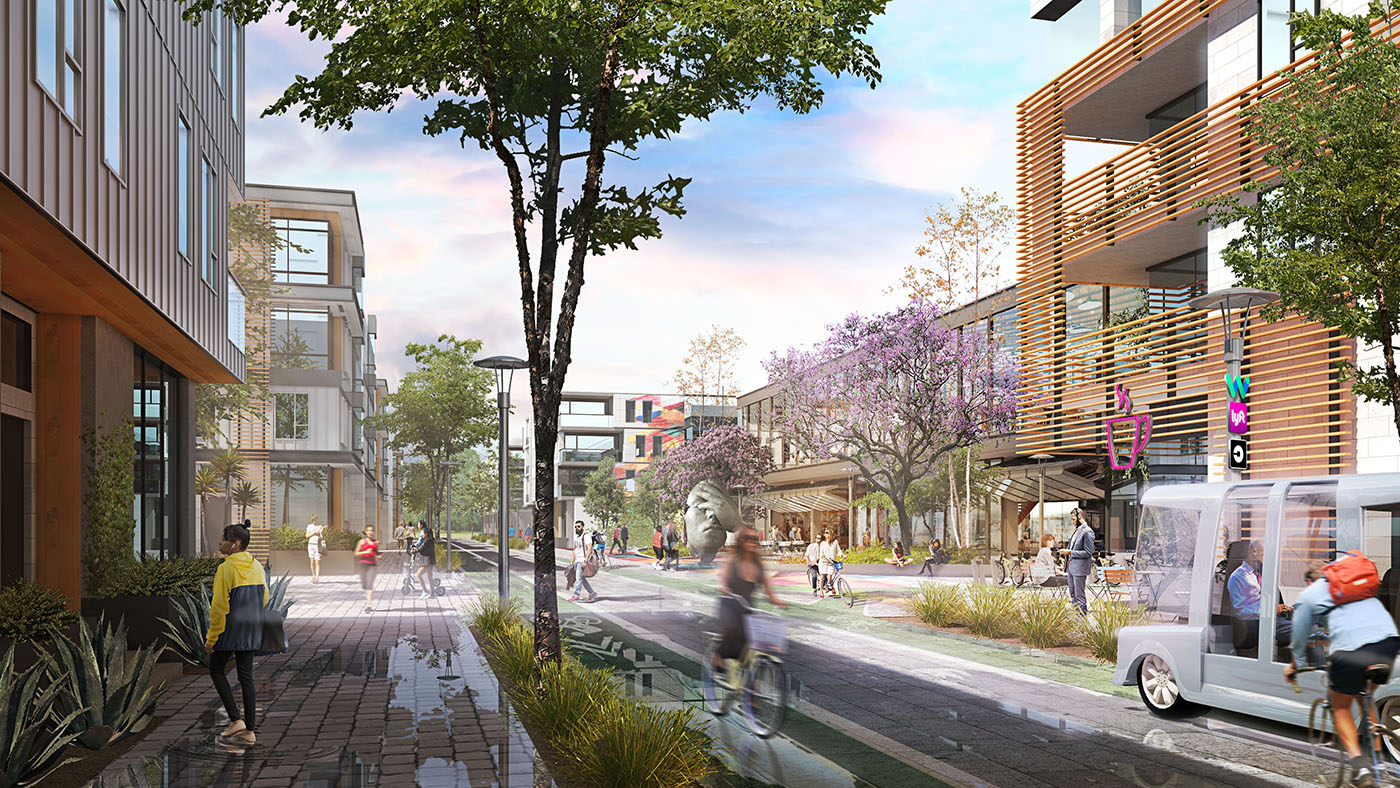
While every transit-oriented community is unique, the most successful TOCs tend to share several characteristics:
• Active public-private collaboration
• Robust first- and last-mile connections
• Meaningful community engagement throughout the planning process
Creating successful transit-oriented communities requires collaboration among transit agencies, municipal governments, private developers, and local residents to maximize the value created by transit investments.
As Seattle’s showing at the World Cup demonstrated, venues thrive when they are supported by high-functioning, thoughtfully designed multimodal transportation systems and integrated into the fabric of downtown life.
Building and improving transit systems is challenging, as is integrating world-class sports venues into dense urban environments. But committing to both strengthens our commercial centers and the communities that grow around them. The result is a city that is more desirable, more resilient, and ultimately much stickier.
Dylan Jones is a principal and global mobility and transportation leader with more than 25 years of experience based in Gensler’s Seattle office.
Other Stories:


