 |
Subscribe / Renew |
 |
Contact Us |
| ► Subscribe to our Free Weekly Newsletter | |

Construction Bids
| home | Welcome, sign in or click here to subscribe. | login |


 print print  email to a friend email to a friend  reprints add to mydjc reprints add to mydjc |  |
 |
August 27, 2026

Thrash-Sall
|
For years, Seattle has measured success in part by its ability to attract new residents, employers, investment and construction. And facing the challenges of accommodating a growing population, navigating a changing downtown and creating urban neighborhoods that stay vibrant around the clock, it’s rightfully asking if it’s building a city where people want to be.
But as we look toward the future, we should also be asking ourselves another question: Are we building a city where people want to stay?
That question deserves more attention as Seattle’s population ages. According to the U.S. Census Bureau, roughly one in eight Seattle residents is now age 65 or older, and the Washington Office of Financial Management projects that Washington’s 65-plus population will grow dramatically over the next two decades. These demographic changes require a shift in how we view housing in Seattle.
In many ways, housing has implicitly sorted people by life stage. Young professionals gravitate toward urban apartments. Families move to larger homes. Empty nesters may hold onto the family home or move to condos. And older adults seek out the quiet life of retirement communities, often outside of the city center.
Increasingly, that last assumption no longer reflects reality.
I am the CEO of Horizon House, a 60-year-old nonprofit Life Plan Community on First Hill. I meet people every day who have no interest in leaving Seattle. Indeed, I meet people from outside the city who, when stepping into the final decades of their lives, are seeking to leave the suburbs for a more urban environment. They want to remain close to the neighborhoods they’ve invested in, the cultural institutions they support, the volunteer organizations they serve, the healthcare providers they trust, and the restaurants, parks and streets that have become — or will become — a part of their daily lives.
Rather than riding quietly into the sunset, they want to step loudly into a community that reflects their values, one where they’re surrounded by others who keep their lives interesting, intellectual and inspiring.
That distinction matters for older adults. And it matters for Seattle itself.
Cities are strongest when they reflect the full spectrum of life. A healthy downtown isn’t defined solely by office occupancy or residential density. It’s strengthened by people of different generations sharing the same neighborhoods, patronizing local businesses throughout the day, volunteering, attending performances, supporting nonprofit organizations, mentoring younger generations and contributing to civic life.
Where people live influences their connection to friends, community and culture. Just as importantly, where people live influences how they stay committed to purpose. Researchers increasingly distinguish between lifespan and “healthspan”: not simply how long we live, but how long we remain active, independent and engaged. Social connection has become recognized as one of the most important contributors to healthy aging.
That reality becomes even more important as the number of “solo agers” continues to rise. Many older adults will reach retirement without a spouse or family members nearby. Community itself becomes an increasingly vital part of the support system that allows people to thrive.
Thoughtfully planned housing can help foster that community. Locating it within walkable urban neighborhoods allows residents to remain connected to the broader life of the city rather than becoming isolated from it. And creating communities of active and engaged older citizens improves the fabric of our civic environment.
This isn’t a conversation about one type of development or one housing model. Nor is it about replacing other priorities in Seattle’s housing conversation, of which there are many.
It is about recognizing an increasingly important segment of the market: older adults who want to continue living an active urban lifestyle and are looking for housing that supports independence today while providing confidence about tomorrow. Many have the financial means to do so, but they are seeking something quite different from traditional retirement communities or ultra-luxury developments. As this population grows, so too will the need for housing options designed around how they actually want to live.
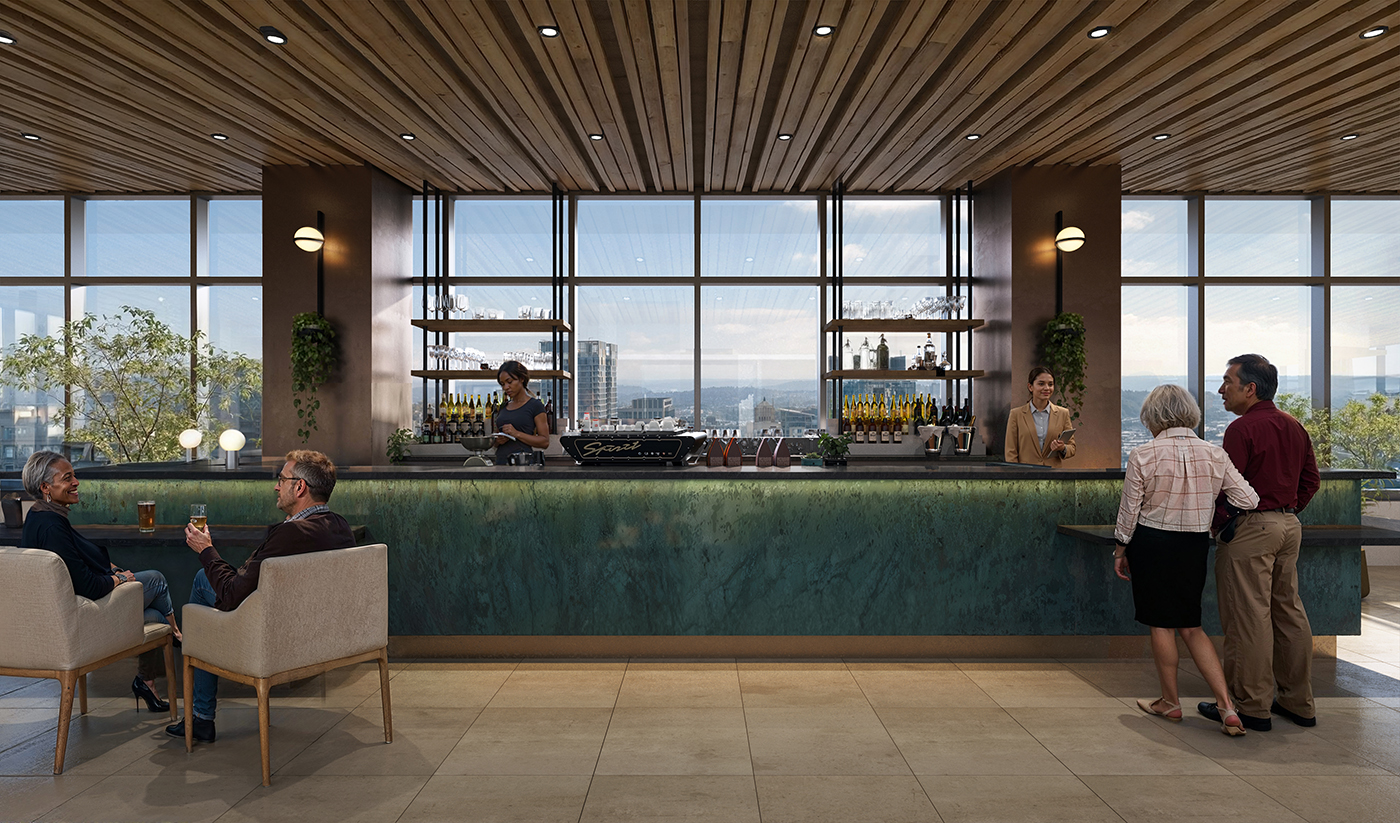
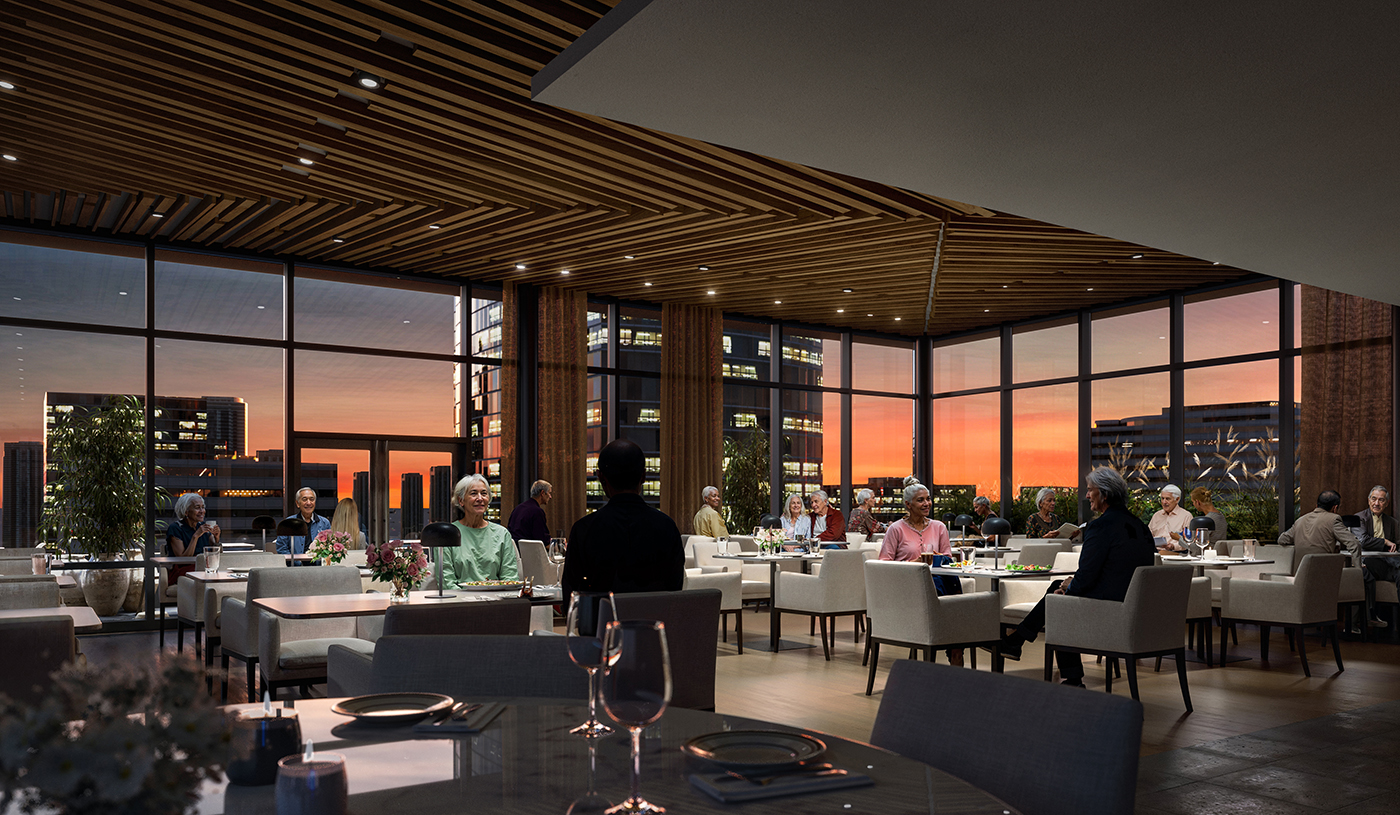
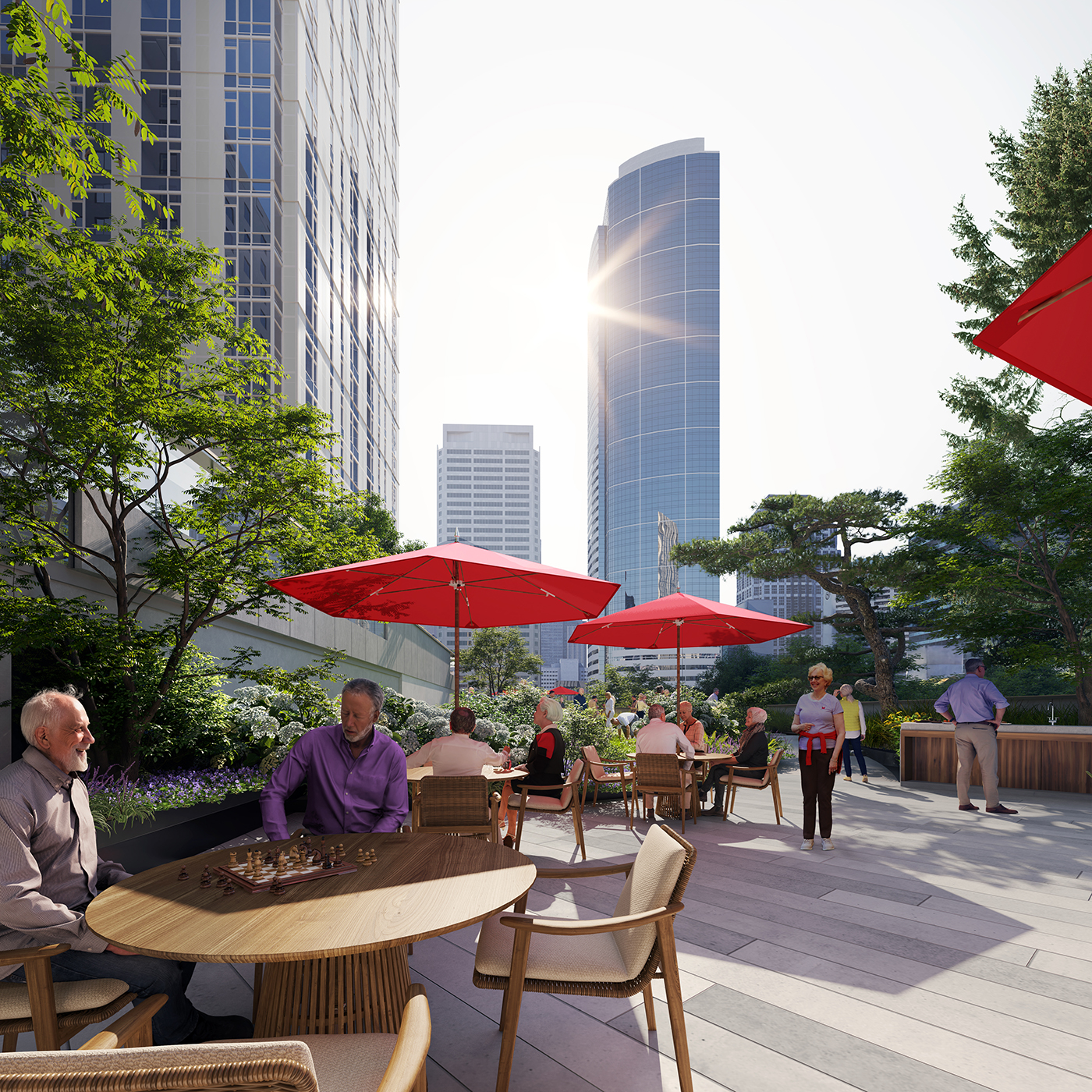
At Horizon House, we’re seeing that demand firsthand through the development of our new 33-story West Tower. While every project responds to its own community and market, the broader lesson extends well beyond a single building. Today’s older adults increasingly expect the same things they’ve always valued: culture, lifelong learning, wellness, connection and the ability to remain active participants in city life. And, as they age and the relationships in their lives change, they’re increasingly seeking new communities with which to grow.
That presents an opportunity for everyone involved in shaping Seattle’s built environment.
Architects, engineers, developers and builders have long helped define what kind of city Seattle becomes. As demographics evolve, so does the opportunity to create places that serve people across every stage of life.
The cities that flourish over the next several decades will not simply be those that attract the next generation, but those that work for every generation. For housing that serves older adults, that means recognizing their higher value as an essential part of a thriving urban future.
Ultimately, that may be one of the most important measures of a successful city. Not just a city that can attract people to come, but one that can create an environment where people will want to stay.
Erica Thrash-Sall is CEO of Horizon House, a 60-year-old Life Plan Community on First Hill, and serves on the Board of Directors for Leading Age, the Downtown Seattle Association, and the Clean, Healthy and Safe Committee of the First Hill Improvement Association.
Other Stories:


