 |
Subscribe / Renew |
 |
Contact Us |
| ► Subscribe to our Free Weekly Newsletter | |

Construction Bids
| home | Welcome, sign in or click here to subscribe. | login |


 print print  email to a friend email to a friend  reprints add to mydjc reprints add to mydjc |  |
 |
September 26, 2024

Lubbers
|
At BNBuilders, we’ve had the unique opportunity to oversee the construction of both private and public schools. Although the intention of creating safe and inclusive environments for students is the same, the paths we take to achieve this goal are distinctly different. Understanding these differences is crucial, as it directly influences how we plan, communicate and ultimately deliver these vital educational facilities.
FINANCING: THE FOUNDATION OF THE PROJECT
One of the most significant differences between private and public school construction lies in their financing. This difference shapes not just the flow of the project, but also the way we approach every stage of construction.
Public schools are typically financed through the sale of bonds or the passage of levies. Once these bonds are approved, the funding is secured, providing a guaranteed foundation for the project. This security allows us to focus on delivering the project within the established timelines and budgets. However, while the funding is guaranteed, it often comes with specific requirements and timelines that must be strictly adhered to.
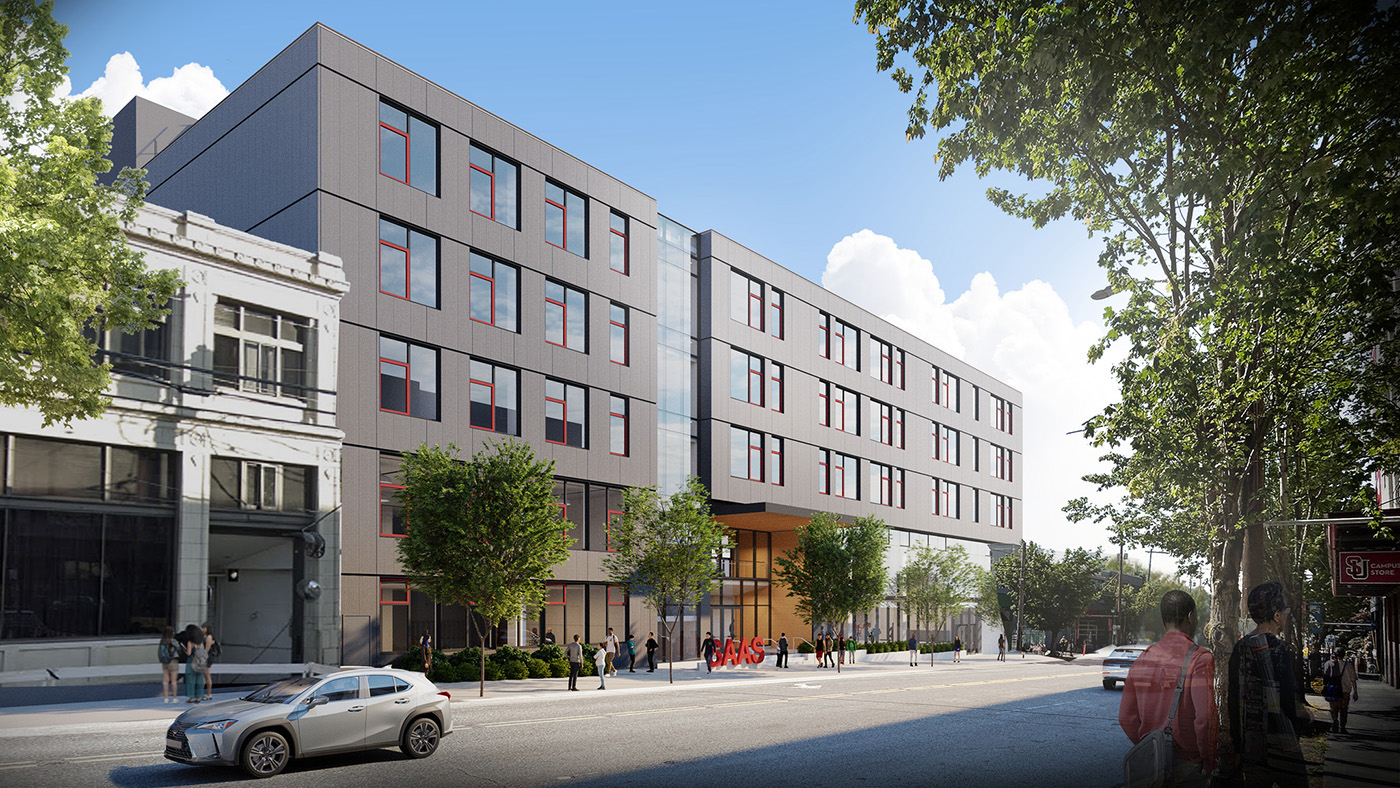
In contrast, private school construction is funded through a more complex mix of private donations, fundraising efforts and lender financing. The challenge here is that funding isn’t always fully available at the outset, necessitating a more dynamic and adaptive approach to planning.
We engage in detailed cash flow studies and collaborate closely with the school’s administration to ensure that construction progresses in line with the flow of funds. This requires a thorough financial analysis to align our construction timelines with available funds, ensuring both timelines and budgets are meticulously managed.
The flexible nature of private school funding allows for creative problem-solving but also demands constant vigilance and adaptability to keep the project on track.
STAKEHOLDER INTERACTION: FOSTERING PARTNERSHIPS
Another key difference is how we interact with stakeholders. In public school construction, our primary point of contact is often a capital projects director or a construction management firm. Additionally, we might work with the superintendent of the school district, and occasionally engage with community groups that include parents, teachers, and administrators. The decision-making process is usually straightforward, with a clear chain of command that streamlines communication and project progression.
In private school construction, the stakeholder landscape is more varied and often more involved. We typically interact directly with C-suite executives and, frequently, a construction management firm. We also find ourselves regularly engaging with the school’s board of trustees, which is generally comprised of parents and other invested community members.
These stakeholders tend to be more involved throughout the entire project, requiring more frequent check-ins, board meetings and site tours. This high level of involvement can extend the project timeline, as decisions may take longer to finalize due to the more personal investment of those involved.
The interaction in private school projects demands a more nuanced approach, balancing the needs and expectations of a diverse group of stakeholders to ensure that everyone feels heard and valued throughout the process.
PRECONSTRUCTION: FLEXIBILITY VS. FIXED PLANS
In private school construction, the preconstruction phase tends to be longer and more exploratory. There is often more room to consider various design options and building massing configurations, thanks to the flexible nature of private school funding. This allows us to engage in a more creative and adaptive design process, working closely with stakeholders to explore different possibilities and refine the project vision as we go.
Community input is also more heavily weighted in private school projects, with an emphasis on aligning the design with the values and expectations of the school’s stakeholders.
In public school construction, the preconstruction phase is often streamlined and efficient. The process follows a clear, linear path from conceptual design to schematic design, with each stage building upon the last.
This structured approach, driven by the fixed nature of public funding and adherence to established timelines, ensures that the project stays on track and within budget. The consistency and predictability of this process allow for smooth execution, minimizing disruptions and enabling a focused effort to deliver a quality educational facility on time.
EMBRACING THE DIFFERENCES
While the differences in financing, stakeholder interaction, and preconstruction processes require us to adapt our approach, they also offer us the opportunity to leverage our expertise in innovative ways. Ultimately, the key to success in either scenario is flexibility, creativity, and a deep understanding of the unique needs and expectations of the client.
Matt Lubbers is a Project Executive at BNBuilders with 26 years of experience, specializing in ground-up school construction.
Other Stories:


